
Introduction
Choosing the right office furniture is key to building a workspace that supports comfort, productivity, and efficiency. It impacts more than appearance; affecting posture, focus, and workflow. The furniture should match the space, work habits, and team needs while supporting daily tasks. Desks, chairs, and storage units must be both functional and well-placed to keep the environment organized and professional. A thoughtfully furnished office creates a balanced setting that boosts performance and leaves a strong impression.
But with so many options available, choosing the right office furniture can be overwhelming. Should you go for ergonomic designs or stylish pieces? Is a minimalist desk the best fit, or do you need more storage space? These questions can easily lead to confusion, but fear not! This guide will walk you through the most important tips and factors to consider when selecting office furniture that meets both your practical and aesthetic needs.
By the end of this blog, you’ll have a clear understanding of how to make informed choices that create an efficient and comfortable office environment.
Outline
- Why Choosing the Right Office Furniture Matters
- The Role of Office Furniture in Productivity
- Comfort and Health Benefits
- Key Factors to Consider Before Purchasing Office Furniture
- Office Layout and Space Constraints
- Budget and Cost-Effectiveness
- Ergonomics and Employee Well-being
- Types of Office Furniture You’ll Need
- Desks
- Chairs
- Storage Solutions
- Meeting Room Furniture
- Accessories
- Tips for Choosing the Right Office Furniture
- Focus on Comfort and Ergonomics
- Prioritize Functionality
- Consider Style and Design
- Choose Durable and Quality Materials
- Ensure Adaptability and Flexibility
- How to Maintain and Care for Office Furniture
- Cleaning and Scheduled Maintenance
- Long-Term Durability and Investments
- Conclusion: The Importance of the Right Office Furniture
1. Why Choosing the Right Office Furniture Matters
The Role of Office Furniture in Productivity
Office furniture significantly impacts workplace productivity. A well-designed workspace can boost employee efficiency, while poor furniture choices can lead to distractions and discomfort. When employees have access to ergonomic furniture, like adjustable chairs and desks, they are more likely to stay focused and energized throughout the day. This translates into better performance, fewer health complaints, and a more positive work atmosphere.
A clutter-free, organized space with functional furniture makes it easier to stay on task. For instance, desks with built-in storage help keep important documents and office tools within easy reach, minimizing interruptions. With the right furniture, your employees or team members will feel more in control, ultimately leading to a more productive work environment.
Comfort and Health Benefits
Comfort should be at the top of your list when choosing office furniture. Long hours spent sitting at a desk can lead to health issues such as back pain, poor posture, and eye strain. Choosing ergonomic furniture that supports good posture and provides adequate lumbar support can significantly reduce these risks.
Investing in adjustable chairs, sit-stand desks, and accessories like footrests or keyboard trays helps promote a healthier workspace. Not only will your employees appreciate the comfort, but you’ll also reduce absenteeism related to discomfort or injury. Plus, happier employees mean better performance and job satisfaction.
2. Key Factors to Consider Before Purchasing Office Furniture
Office Layout and Space Constraints
One of the first things you should do before selecting office furniture is evaluate the space available. Measure your office area carefully to determine the size and dimensions of furniture that will fit comfortably. If you’re working with a smaller office, prioritize furniture that maximizes space and avoids clutter.
For large offices, you can opt for larger desks and chairs, but even in these spaces, don’t forget to leave room for movement and workflow. Consider the office layout: open-plan offices may benefit from modular furniture, while private offices might require more specialized furniture for privacy and comfort.
Budget and Cost-Effectiveness
Budgeting is an essential factor in selecting office furniture. The cost of office furniture can range widely, so it’s important to find a balance between quality and cost. While it might be tempting to go for cheaper options, investing in high-quality, durable furniture will save you money in the long run.
Think about the long-term benefits of quality office furniture. Sturdy, well-built chairs and desks will outlast cheaper alternatives, reducing the need for frequent replacements. At the same time, don’t forget to consider the additional costs, such as delivery, assembly, and maintenance, when calculating your budget.
Ergonomics and Employee Well-being
Ergonomics is one of the most important factors to consider when purchasing office furniture. Ergonomically designed furniture promotes comfort and reduces the risk of injuries caused by poor posture. Look for office chairs that are adjustable, offer lumbar support, and have a high backrest to support the spine. Desks should be adjustable to accommodate different body types and work preferences.
Consider height-adjustable desks that allow employees to alternate between sitting and standing throughout the day. This is especially important for reducing the health risks associated with prolonged sitting. Investing in ergonomic furniture shows your commitment to your employees’ health and well-being, which can lead to increased satisfaction and productivity.
3. Types of Office Furniture You’ll Need
Desks
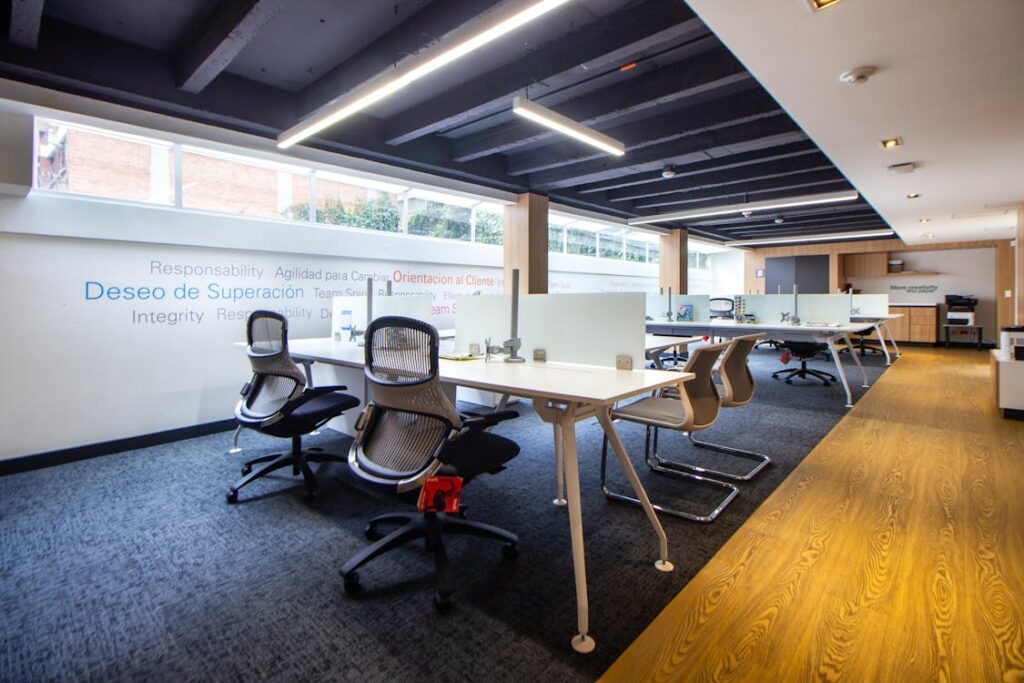
Desks form the foundation of any workspace. Select designs that suit your office layout and match the type of work being done. For roles that require paperwork or tools, desks with integrated drawers or storage compartments are helpful. Minimalist designs with clean edges work well in modern interiors. Adjustable-height desks support movement and help reduce physical strain during long work hours. Choose sturdy materials that can handle daily use while maintaining a professional appearance.
Chairs
A supportive office chair directly impacts health and productivity. Look for models that provide full back support, adjustable height, and armrests. Chairs with lumbar support help reduce back pain and improve sitting posture. A swivel base and smooth-rolling wheels increase mobility around the workstation. Materials should be breathable and durable to ensure lasting comfort throughout the day.
Storage Solutions
Organized storage keeps workspaces clutter-free and efficient. Filing cabinets, lockers, and modular shelves help store documents, tools, and personal items. Tall storage units are useful in compact spaces, allowing vertical organization without occupying much floor area. Choose designs that blend with the overall style of the office and offer quick access to items used regularly.
Meeting Room Furniture
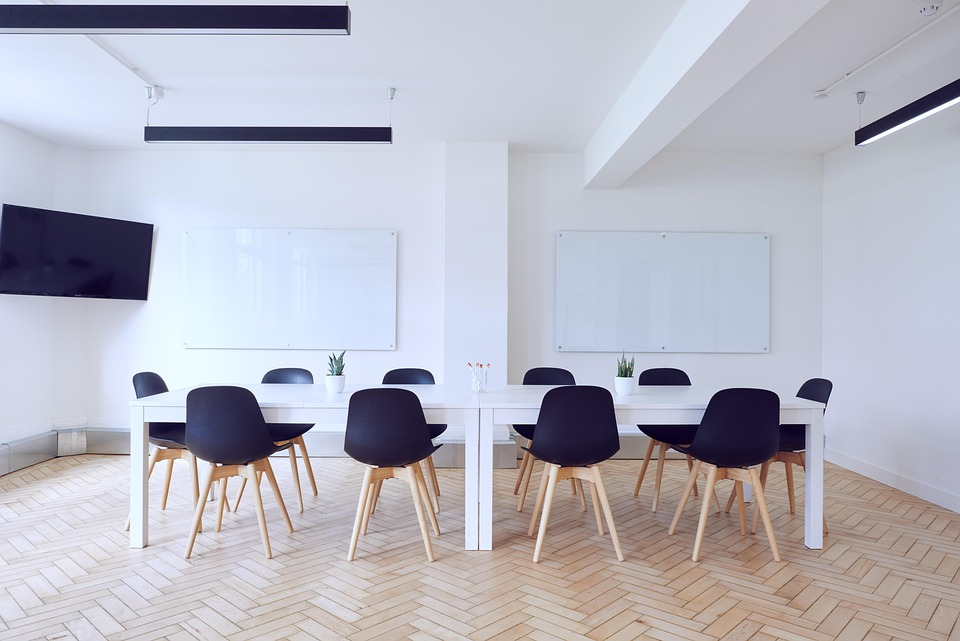
Meeting rooms need functional furniture that supports group interaction and clear communication. Use a table size that fits the space and accommodates your team comfortably. Round tables encourage open discussions, while long rectangular tables are ideal for structured meetings and presentations. Chairs should be cushioned and easy to move, allowing flexibility during longer sessions. Keep the space clear and organized to maintain focus.

Accessories
Accessories enhance comfort and improve productivity. Task lamps provide better lighting at individual desks, especially in low-light areas. Ergonomic tools like monitor risers, footrests, and keyboard trays help reduce physical strain. Wall decor, indoor plants, and soft furnishings bring life into the space and create a pleasant environment for both employees and visitors. These small additions contribute to a positive work atmosphere and support well-being.
4. Tips for Choosing the Right Office Furniture
Focus on Comfort and Ergonomics
Comfort plays a central role in creating a productive work environment. Ergonomic furniture supports the body’s natural posture and helps reduce physical stress during long hours at a desk. Choose chairs with adjustable features, lumbar support, and smooth mobility. Pair them with desks that encourage correct sitting positions and support daily tasks. Accessories like footrests or monitor stands can improve posture and reduce discomfort. A workplace that supports physical well-being improves employee focus and satisfaction.
Prioritize Functionality
Furniture should serve the practical needs of the workspace. Desks must offer enough surface area for computers, documents, and personal items without feeling cramped. Chairs should allow smooth movement and suit different tasks throughout the day. Storage should keep tools and files easy to access, helping teams stay organized and efficient. Every piece should serve a clear purpose and contribute to a smooth workflow.
Consider Style and Design
The design of your office furniture contributes to the overall identity of the space. Choose styles that reflect your business values and work culture. A creative firm may lean toward bold designs and vibrant colors, while a corporate setting might prefer clean lines and subtle tones. Match furniture shapes and finishes with the existing color palette and layout to maintain a unified visual appearance. A well-designed space builds trust and creates a positive impression.
Choose Durable and Quality Materials
Office furniture must handle daily use without frequent wear or damage. Select materials known for strength and reliability, such as hardwood, powder-coated metal, or impact-resistant laminates. Quality furniture stays in good shape longer, reducing the need for replacements. Durability is especially important in high-traffic areas like reception zones and meeting rooms where furniture is used constantly.
Ensure Adaptability and Flexibility
Work environments often change due to team growth or layout updates. Modular furniture offers flexibility by allowing reconfiguration without replacing the entire setup. Height-adjustable desks, mobile storage units, and lightweight furniture pieces can support these changes with minimal disruption. Choose items that allow movement and easy adjustments to meet evolving needs. A flexible setup ensures your office stays relevant and supports future growth.
5. How to Maintain and Care for Office Furniture
Cleaning and Scheduled Maintenance
Routine cleaning keeps office furniture looking good and functioning properly. Each material requires a specific approach. Leather chairs benefit from conditioning to prevent cracks and dryness. Wooden furniture needs a gentle wood cleaner that protects the finish and preserves the surface. Use a soft cloth to wipe down desks and chairs regularly to remove dust, fingerprints, and spills. Check for stains or damage during cleaning and handle small issues before they get worse. Keeping furniture clean helps maintain hygiene and a professional appearance across the workspace.
Long-Term Durability and Investments
Furniture that is maintained well lasts longer and continues to perform over time. Inspect desks, chairs, and storage units regularly for signs of damage such as loose screws, worn surfaces, or broken parts. Tighten fittings and repair minor issues early to avoid costly replacements. If older items begin to show wear, consider refurbishing. Repainting metal frames, refinishing wood surfaces, or replacing upholstery can extend the life of furniture without replacing it entirely. These updates are more economical and help retain the original quality of the pieces.
6. Conclusion: The Importance of the Right Office Furniture
Choosing the right office furniture is a critical step in building a workspace that supports performance, comfort, and long-term growth. Every piece, from desks and chairs to storage units and accessories, plays a role in shaping the daily experience of your team. The right selections improve posture, enhance focus, and help maintain a clean and organized environment. Thoughtful design choices reflect your brand identity and create a space that motivates and inspires.
Investing in quality materials, ergonomic features, and flexible solutions ensures that your furniture adapts to changing needs and continues to serve well into the future. Regular care and maintenance protect this investment and keep the office looking professional at all times. A well-furnished office is more than a collection of items, it is a foundation for productivity, a reflection of company values, and a space where people do their best work.