Designing an energy-efficient home from scratch is one of the most impactful decisions you can make, not just for the environment but also for your wallet. With rising energy costs and increasing environmental concerns, building a home that conserves energy is a smart move for the future. It’s not just about reducing your carbon footprint; an energy-efficient home will also offer long-term savings in energy bills and create a more comfortable living space.
In this guide, we’ll walk you through everything you need to know about designing an energy-efficient home. We’ll cover the key considerations and strategies you can use to ensure your new home is as efficient as possible right from the design phase.

Outline
Why energy-efficient homes matter and how they benefit you.
- Site Selection and Orientation: How to pick the right location and orient your home for maximum energy efficiency.
- Building Materials: Selecting the right materials for insulation, durability, and energy conservation.
- Energy-Efficient Windows and Doors: Choosing the right windows and doors to reduce energy loss.
- Insulation: How proper insulation reduces heating and cooling costs.
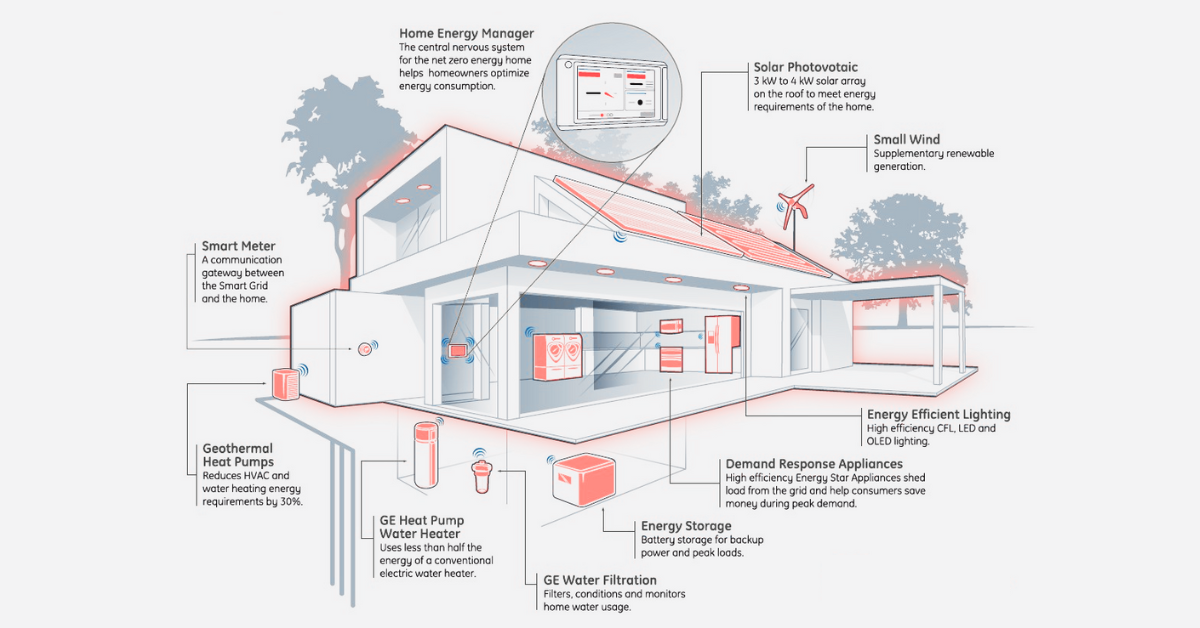
- Solar Power and Renewable Energy: Incorporating solar panels and other renewable energy sources.
- Heating, Ventilation, and Air Conditioning (HVAC): Optimizing HVAC systems for efficiency.
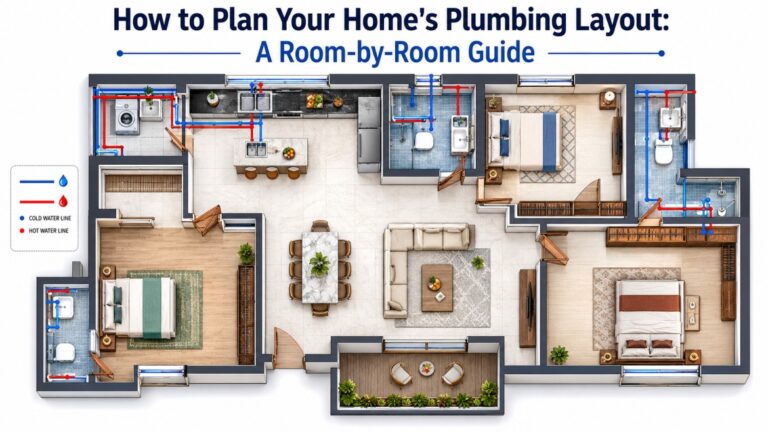
- Water Conservation and Efficiency: Designing for water-saving technologies and practices.
- Smart Home Technologies: How smart devices contribute to energy savings.
- Conclusion: Summarizing the best practices and emphasizing the long-term benefits of an energy-efficient home.
In today’s world, building an energy-efficient home isn’t just a luxury—it’s a necessity. With more people becoming environmentally conscious and energy prices climbing, designing a home that minimizes energy consumption is a choice that benefits both your bank account and the planet.
Energy-efficient homes use less energy for heating, cooling, and other essential services. They offer better comfort, lower utility bills, and contribute to a more sustainable environment. If you’re in the process of designing your dream home from scratch, it’s the perfect opportunity to make smart choices that will pay off in the long run.
This blog will guide you through the steps of creating an energy-efficient home. We’ll discuss the most effective ways to reduce energy consumption right from the design stage to the final touches.
1. Site Selection and Orientation
The location and orientation of your home play a crucial role in how energy-efficient it will be. The way your home interacts with its environment can greatly influence its ability to stay naturally cool or warm, reducing your dependence on heating and cooling systems.
- Choosing the Right Location: Ideally, you should select a site that minimizes the need for excessive energy use. A plot that benefits from natural sunlight and is shielded from extreme weather conditions can reduce the need for artificial heating and cooling. Avoid locations that are overly shaded by trees or other structures if you want to harness solar energy.
- Orientation: The way your home is oriented can have a huge impact on energy efficiency. In the Northern Hemisphere, positioning the longest side of the house toward the south will allow it to receive maximum sunlight during the day. This helps warm the home during colder months. In hot climates, orienting your house to minimize sun exposure on the west and south sides will reduce the need for air conditioning.
2. Building Materials
Selecting the right building materials can make a huge difference when it comes to energy efficiency. Insulation, durability, and the materials’ ability to retain or release heat affect your home’s energy consumption.
- Insulation Materials: Insulation is one of the most important elements of an energy-efficient home. Choose materials with high R-values (resistance to heat flow), such as spray foam, rigid foam board, or fiberglass batts. Proper insulation keeps your home warm in winter and cool in summer, reducing the need for heating and cooling systems.
- Sustainable Materials: Opt for materials that are both durable and energy-efficient. Brick, stone, and concrete can be great choices because they have high thermal mass, meaning they absorb and slowly release heat, helping to regulate your home’s temperature.
- Energy-Efficient Roofing and Wall Materials: Consider using reflective roofing materials that minimize heat absorption. Similarly, walls constructed with energy-efficient materials like insulated concrete forms (ICFs) can reduce the amount of energy required to maintain a comfortable indoor temperature.
3. Energy-Efficient Windows and Doors
Windows and doors are major sources of heat loss in a home. Choosing the right ones can significantly improve your home’s energy efficiency.
- Double or Triple-Glazed Windows: These types of windows are excellent at insulating your home. They trap air between two or three panes of glass, reducing heat transfer and improving the overall efficiency of the home. The air or gas (such as argon or krypton) between the panes acts as an additional insulating layer, helping to maintain indoor temperatures and reduce noise from outside. Investing in quality glazing can significantly lower heating and cooling costs over time.
- Low-E Coatings: Low-emissivity (Low-E) coatings reflect heat back into the house during the winter and block heat from entering during the summer, improving the efficiency of your heating and cooling systems. These virtually invisible coatings are applied to the glass surface and work by controlling the amount of infrared and ultraviolet light that passes through without compromising natural light. Low-E windows are especially beneficial in climates with extreme temperatures.
- Sealed and Insulated Doors: Your doors should also be well-insulated and properly sealed. Drafty doors can waste a lot of energy. Look for solid-core doors with energy-efficient insulation and weatherstripping to minimize air leakage. Adding door sweeps and ensuring a tight fit within the frame can further enhance energy performance and help keep your indoor environment more comfortable year-round.
4. Insulation
Good insulation is essential for maintaining the indoor temperature of your home and reducing the need for artificial heating and cooling.
- Attic and Roof Insulation: Heat rises, so insulating your attic is one of the best ways to prevent heat loss in the winter and reduce cooling costs in the summer. A well-insulated attic helps maintain a stable indoor temperature, reduces the load on your HVAC system, and contributes to overall energy efficiency. Using high-quality insulation materials and sealing air leaks can greatly enhance the performance of your attic insulation.
- Wall and Floor Insulation: In addition to the roof, insulating your walls and floors is crucial for maintaining a comfortable living environment. Walls with proper insulation help keep heat in during the winter and prevent it from entering during the summer, making temperature regulation more efficient. Floor insulation, especially in homes with raised foundations or over unheated spaces, can also help minimize energy loss and enhance indoor comfort.
- Basement Insulation:If your home has a basement, make sure it’s well-insulated to prevent cold from seeping in and to keep the upper levels of your home warm in winter. Insulating basement walls and floors helps reduce heat loss, improve energy efficiency, and prevent moisture-related issues like mold and mildew. It can also make the basement a more usable and comfortable space year-round.
5. Solar Power and Renewable Energy
Incorporating renewable energy sources into your design can dramatically reduce your energy costs and environmental impact. The most popular option is solar power.
- Solar Panels: Installing solar panels on the roof is one of the most effective ways to reduce energy consumption. Solar energy can provide much of the power needed for your home, reducing reliance on traditional grid electricity and lowering utility bills. Over time, the investment in solar panels can pay off through energy savings, and many areas offer tax incentives or rebates to help offset installation costs.
- Solar Water Heating: Instead of using traditional electric or gas water heaters, consider installing a solar water heating system. This will help you save energy by harnessing the sun’s power to heat water for daily use, such as bathing, cleaning, and laundry. These systems are typically low-maintenance and can significantly reduce your household’s water heating costs, especially in regions with abundant sunlight.
- Other Renewable Energy Sources: Depending on where you live, wind turbines, geothermal energy systems, and other forms of renewable energy may also be viable options to consider. These alternatives can complement or replace conventional energy sources, providing clean, sustainable power tailored to your environment. Exploring local regulations, incentives, and site-specific factors can help determine which renewable solutions are most practical and cost-effective for your home.
6. Heating, Ventilation, and Air Conditioning (HVAC)
An energy-efficient HVAC system is essential for maintaining the ideal temperature inside your home without consuming excessive amounts of energy.
- Energy-Efficient HVAC Units: Choose high-efficiency HVAC units that are properly sized for your home. A unit that is too large will cycle on and off frequently, wasting energy and putting unnecessary wear on the system, while a unit that is too small won’t be able to keep your home comfortable during extreme temperatures. Proper sizing and installation by a qualified professional ensure optimal performance and energy savings over time.
- Smart Thermostats:A smart thermostat can help you manage your energy usage more effectively. It learns your habits and adjusts the temperature accordingly, so you don’t waste energy when you’re not at home or while you’re sleeping. Many smart thermostats also allow remote access via smartphone apps and provide energy usage reports, helping you make informed decisions about your heating and cooling habits.
- Proper Ventilation: Ensure proper ventilation throughout the house to maintain indoor air quality and avoid overheating. Ceiling fans, ventilation systems, and well-placed windows can all help with natural air circulation, reducing the need for air conditioning and improving comfort. Additionally, proper ventilation helps control moisture levels, which can prevent mold growth and contribute to a healthier indoor environment.
7. Water Conservation and Efficiency
Water conservation is a key component of an energy-efficient home. Efficient water usage can reduce your water heating costs and decrease the overall environmental impact of your home.
- Low-Flow Fixtures: nstall low-flow faucets, showerheads, and toilets to minimize water waste. These fixtures are designed to use significantly less water than standard models without compromising performance or comfort. They help reduce overall water consumption in homes and buildings, contributing to lower utility bills and greater water conservation.
- Rainwater Harvesting: Consider incorporating a rainwater harvesting system to collect and use rainwater for irrigation or even for indoor uses such as toilet flushing or laundry, with proper filtration and treatment. This sustainable practice not only reduces dependence on municipal water supplies but also helps manage stormwater runoff and supports water conservation efforts.
- Hot Water Recirculation: A hot water recirculation system ensures that hot water is always available quickly at the tap, reducing the amount of water wasted while waiting for it to heat up. These systems typically use a pump to circulate hot water through the plumbing, which can lead to both water and energy savings over time, especially in larger homes or buildings with long pipe runs.
8. Smart Home Technologies
Integrating smart home technology is a great way to monitor and manage your home’s energy consumption. These devices allow you to control energy usage more efficiently, even when you’re not at home.
- Smart Lighting: Install energy-efficient LED lights that can be controlled via an app or voice commands. Smart bulbs can also be programmed to turn off automatically when not in use.
- Smart Power Strips: These power strips detect when devices are not in use and automatically cut off power to avoid “phantom” energy consumption from electronics in standby mode.
- Energy Monitoring Systems: Consider installing an energy monitoring system that gives you detailed insights into how much energy your home is using and which devices consume the most.
Conclusion
Designing an energy-efficient home from scratch is a rewarding endeavor. By carefully considering the site, orientation, materials, and technologies, you can create a home that is comfortable, cost-effective, and environmentally responsible. An energy-efficient home will not only save you money on utility bills but also increase your property value while helping to reduce your carbon footprint.
With a little planning and the right decisions, your new home can be a model of energy efficiency, providing comfort and sustainability for years to come. Designing an energy-efficient home may take some effort, but the long-term benefits in terms of energy savings, sustainability, and comfort make it a worthwhile investment. Happy building!