Introduction
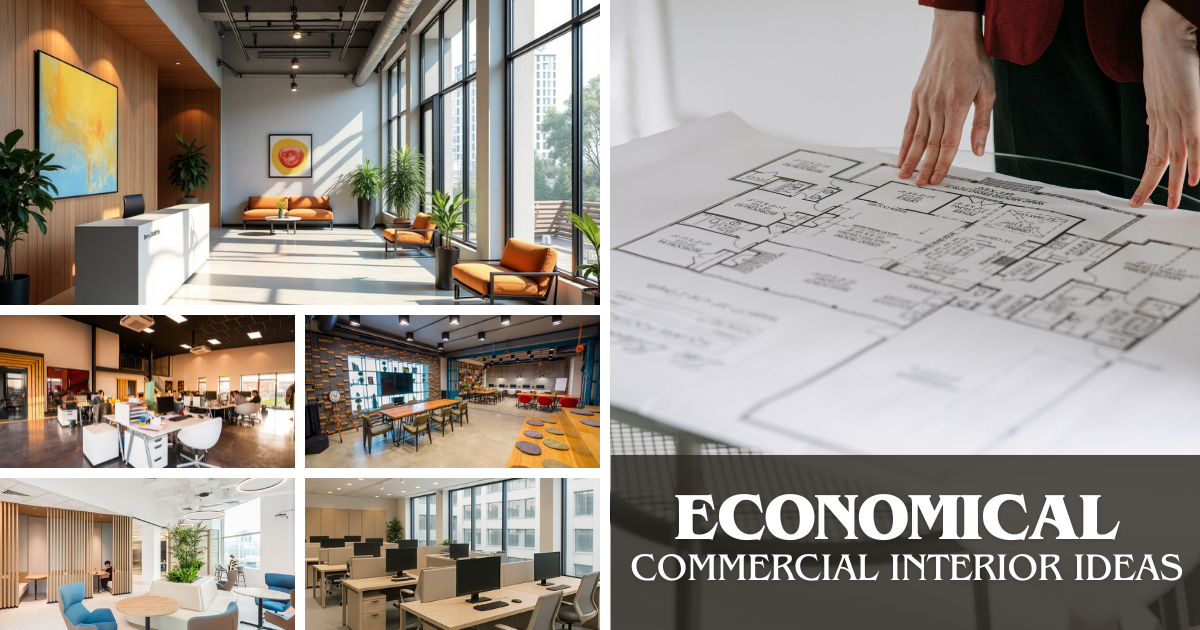
A stylish commercial space doesn’t have to demand a high-end budget. Smart interior upgrades can completely change the way a business looks and feels without draining resources. From compact offices to customer-facing areas, a thoughtful approach to design can increase impact while keeping costs in check. Every surface, light fixture, and layout decision carries the potential to reflect brand identity, improve function, and enhance user experience. With careful planning and creative thinking, even modest investments can deliver big visual returns. Economical Commercial Interior Ideas make it possible to achieve these results while staying within budget, proving that great design is not limited by cost.
In this blog, we’ll dive into some simple yet effective ideas that can bring new life into your commercial space. Whether you’re looking to update a few details or revamp the whole area, these ideas will give you the inspiration to get started without overspending.
Outline
- Why Economical Interior Design Matters
- Cost-Efficiency for Small Businesses
- Creating a Functional Workspace
- Key Elements of Economical Commercial Interior Design
- Smart Furniture Choices
- Maximizing Space with Layout
- Using Paint and Wall Art to Transform
- Lighting: Making the Most of Natural and Artificial Light
- Incorporating Functionality with Style
- Multifunctional Furniture
- Creating Collaborative Spaces
- Flexible and Modular Design Elements
- Cost-Effective Decor Ideas
- DIY Decorative Solutions
- Recycled or Repurposed Materials
- Adding Greenery and Natural Elements
- Flooring Options for Budget-Friendly Spaces
- Affordable Flooring Choices
- DIY and Easy Installation Solutions
- Tips for Maintaining Your Design Over Time
- Regular Maintenance
- Replacing Accessories as Needed
- Conclusion: Achieving a Stylish, Functional Space on a Budget
1. Why Economical Interior Design Matters
Cost-Efficiency for Small Businesses
For small businesses and start-ups, managing expenses is a daily priority. Overspending on interiors can divert funds from more critical areas like operations, marketing, or staffing. A smart design approach allows you to shape a professional and appealing space without financial strain. Choosing economical commercial interior ideas doesn’t mean settling for less, it means making informed decisions that balance function, durability, and visual appeal.
Budget-friendly design focuses on long-term value. Instead of chasing trends, it emphasizes materials and layouts that last. For instance, selecting sturdy, low-maintenance furniture helps avoid frequent replacements. Optimizing the layout to use every inch wisely reduces the need for future modifications. Thoughtful design choices not only improve how a space looks but also how it performs, supporting your daily workflow and enhancing client perception.
Creating a Functional Workspace
A functional workspace goes beyond appearance, it directly affects how people work and interact. A well-planned interior supports daily activities, encourages focus, and allows teams to move efficiently through their tasks. In commercial settings, every area should serve a purpose, whether it’s for collaboration, client interaction, or individual work.
Improving functionality doesn’t always demand costly changes. Even basic adjustments, like rearranging furniture to improve movement or setting up defined zones for different tasks, can make a big difference. Adding ergonomic chairs, adjustable desks, or better lighting creates a more comfortable environment that supports well-being and performance. With careful attention to layout and usability, you can design a workspace that works smarter without overspending. Economical commercial interior ideas offer practical solutions to achieve these improvements while keeping costs under control.
2. Key Elements of Economical Commercial Interior Design
Smart Furniture Choices
Furniture tends to be one of the biggest expenses in commercial interior design. Still, with thoughtful planning, it’s possible to find stylish and cost-effective options that serve your space well. Keeping a few key strategies in mind can help you make smart decisions without going over budget.
- Shop Online: Online marketplaces offer a wide range of budget-friendly furniture suited for commercial use. Websites like IKEA, Wayfair, and even local second-hand platforms often carry high-quality pieces at much lower prices compared to designer stores. Exploring these sources helps you discover practical options without compromising on style.
- Focus on Essentials: Instead of outfitting your entire space with high-end furniture, focus on key pieces like desks, chairs, and storage. Invest in pieces that are both practical and durable, such as ergonomic chairs and desks with built-in storage.
- Go for Multipurpose Furniture: Instead of trying to furnish the entire space at once, start by investing in the most essential items. Prioritize desks, chairs, and storage units that will be used daily. Choose products that offer both comfort and durability, such as ergonomic seating or workstations with integrated storage. These foundational pieces support both productivity and long-term value.
Maximizing Space with Layout
Making the most of available space is one of the most effective ways to reduce design costs. Instead of increasing square footage, focus on improving how your current layout functions. A well-planned arrangement can improve movement, reduce clutter, and create a more efficient work environment. Economical commercial interior ideas focus on maximizing what you already have, helping you improve both function and flow without investing in costly expansions or renovations.
- Open Plan Layouts: Open plan setups help create a spacious feel without adding walls or partitions. This approach works especially well in office environments, where teams need to interact and collaborate. Removing barriers between work areas also allows natural light to travel further, making the space feel brighter and more welcoming.
- Modular Workstations: Flexible workstations give you the freedom to adapt your layout as needs change. Modular desks, tables, and dividers can be rearranged to support different tasks or team sizes. This flexibility allows the same space to serve multiple functions, which is ideal for businesses with evolving requirements.
- Vertical Storage: Floor space is limited, so it’s smart to think upward. Vertical storage solutions like open shelving, pegboards, or wall-mounted cabinets help keep your workspace tidy while freeing up ground area. These systems are practical in both offices and retail settings, offering easy access without crowding the floor.
Using Paint and Wall Art to Transform
One of the easiest and most affordable ways to refresh a commercial space is through paint and wall art. A new coat of paint can instantly brighten interiors and shift the entire mood of a room. Light or neutral shades create an open, airy feel, while bold accents can add energy and character. The right color choices help define zones, enhance lighting, and support your brand image. Economical commercial interior ideas like these allow you to make a strong visual impact without spending heavily on materials or labor.
Wall art is another effective way to bring life and identity to your space without spending heavily. It can create visual interest, reflect your company values, or simply add a sense of creativity to plain walls. Several low-cost approaches can help you achieve a polished and curated look.
- DIY Art Pieces: If your team includes creative talent, involve them in making original art for the space. Abstract patterns, minimal illustrations, or motivational phrases painted on canvas or directly on the wall can offer a unique, meaningful touch. This also builds a sense of ownership and culture among staff.
- Gallery Walls: Gather affordable framed prints, photos, or posters and arrange them into a gallery wall. This approach adds depth and style without requiring expensive artwork. A well-organized collection can turn a blank wall into a focal point, setting the tone for the rest of the interior.
- Feature Walls: Peel-and-stick wallpaper, wall decals, or textured panels are great for creating an accent wall on a budget. These solutions are easy to install, customizable, and often removable, making them suitable for rented spaces or evolving design needs.
Lighting: Making the Most of Natural and Artificial Light
Lighting plays a major role in shaping the atmosphere of any commercial space. It influences how people feel, how they work, and how they interact with their surroundings. A well-lit space feels open, energetic, and professional, qualities that can be achieved even on a limited budget with the right choices.
- Maximize Natural Light: If your space has windows, use them to your advantage. Arrange desks, seating areas, or collaborative zones near natural light sources. Sunlight can improve mood, increase focus, and reduce the need for artificial lighting during daytime hours. Avoid blocking windows with bulky furniture or dark window treatments to allow light to flow freely through the space.
- Affordable Lighting Fixtures: There are many cost-effective lighting options available that still provide style and functionality. Pendant lights, wall sconces, floor lamps, and desk lamps can all help brighten areas that need extra illumination. Choosing lighting fixtures with clean designs can complement a modern aesthetic without requiring designer prices.
- Energy-Efficient Lighting: Switching to LED lighting is a smart move for long-term savings. LED bulbs consume less power and have a much longer lifespan compared to traditional lighting. They are ideal for commercial use, especially in areas where lights remain on for extended periods. Energy-efficient choices reduce operational costs while supporting sustainable practices.
3. Incorporating Functionality with Style
Multifunctional Furniture
Combining style with function is essential when designing a commercial space on a limited budget. Every element should contribute to both appearance and usability. One of the most effective ways to achieve this is by choosing multifunctional furniture.
- Convertible Desks: Adjustable desks that allow both standing and sitting offer ergonomic support while saving space. These desks can easily adapt to individual preferences and work styles, creating a more comfortable environment for long hours of use.
- Storage Ottomans: Ottomans with built-in storage provide dual benefits, seating and hidden organization. They are ideal for offices, lounges, or retail zones where space is limited but functionality remains important. These pieces keep clutter out of sight while maintaining a clean, stylish look.
- Foldable Furniture: Foldable desks, chairs, and tables are especially useful in compact or multipurpose areas. They can be set up when needed and stored away to open up space for other tasks or layouts. This flexibility is valuable in meeting rooms, small showrooms, or training zones.
Creating Collaborative Spaces
For businesses that thrive on teamwork, having dedicated areas that support open communication and creative thinking is important. A collaborative environment strengthens problem-solving, boosts morale, and often leads to better results. Economical commercial interior ideas can help build these spaces without heavy investment, just thoughtful planning and a few smart additions.
- Shared Desks: Large shared tables or communal workstations can replace the need for separate desks. This setup allows team members to sit together, exchange ideas freely, and work more efficiently on group tasks. It also reduces furniture costs and helps make better use of available space.
- Lounge Areas: Informal lounge zones give teams a place to relax, think, or have casual meetings. Add budget-friendly seating like bean bags, floor cushions, or modular sofas that can be rearranged as needed. These relaxed settings often encourage better conversations and fresh ideas. A corner with soft lighting and simple décor can easily become a productive and inviting collaboration spot.
Flexible and Modular Design Elements
Adaptability is a key advantage in commercial interiors, especially when working with limited resources. Modular design makes it easier to respond to changing needs without starting from scratch. By using flexible layouts and movable furniture, you can reconfigure your space as your business grows or shifts direction.
This approach supports multiple uses within the same area—whether it’s adding new team members, setting up temporary displays, or rearranging for events. Modular desks, mobile partitions, and stackable chairs allow quick changes with minimal effort. Since the same pieces can be used in different ways, there’s less need for future purchases or costly remodeling.
Investing in flexible design elements not only saves money but also extends the life and usefulness of your interior, making it a smart, long-term choice for evolving businesses.
4. Cost-Effective Decor Ideas
DIY Decorative Solutions
Do-it-yourself décor allows for a personal touch while reducing costs. Repurpose old furniture with a fresh coat of paint, or create simple wall décor using canvas, frames, or printed quotes. Handmade signage or custom artwork from team members can make the space feel more connected and authentic. These small efforts bring character and uniqueness without relying on store-bought items.
Recycled or Repurposed Materials
Using reclaimed materials is both cost-saving and environmentally friendly. Items like wooden pallets, vintage crates, or upcycled metal can be turned into shelving, tables, or display stands. This approach supports sustainable design and gives your space a distinctive, crafted look that stands out from typical commercial interiors.
Adding Greenery and Natural Elements
Plants bring a sense of calm and freshness to indoor spaces. Even a few potted plants can soften the environment and make it more inviting. Choose low-maintenance varieties like snake plants, pothos, or succulents, which require minimal care and thrive indoors. Natural textures like jute rugs, bamboo accents, or wooden planters can also add warmth while keeping the décor grounded and organic.
5. Flooring Options for Budget-Friendly Spaces
Affordable Flooring Choices
Flooring plays a major role in defining the look and feel of a commercial space. However, it’s often one of the most expensive parts of any interior project. Fortunately, several budget-friendly options are available that combine style, durability, and ease of maintenance, making them ideal for practical yet attractive design.
- Vinyl Flooring: Vinyl is a popular choice for commercial settings due to its strength and versatility. It resists moisture, handles heavy foot traffic well, and is available in a wide range of finishes, including wood, tile, and stone looks. Vinyl sheets or planks offer a clean, modern appearance without the high installation or material cost.
- Laminate Flooring: Laminate gives the appearance of hardwood but is far more affordable and easier to maintain. It works well in spaces where you want the warmth and elegance of wood without the upkeep. The click-lock installation system makes it quicker to install, saving both time and labor costs.
- Carpet Tiles: For offices and areas that need sound control, carpet tiles are a smart solution. They’re easy to lay down, simple to replace if damaged, and allow for design flexibility through mix-and-match patterns or colors. Their ability to absorb sound adds comfort and improves acoustics in work environments.
DIY and Easy Installation Solutions
Flooring that is simple to install can help reduce overall expenses, especially when working with a limited budget. By handling the installation process yourself, you avoid labor charges and can complete the upgrade on your own schedule. Many flooring products are designed for quick application, making them practical for commercial spaces that require fast, low-cost improvements.
Peel-and-stick vinyl tiles are a popular example. These tiles come with adhesive backing, allowing you to apply them directly onto a clean surface without the need for special tools or professional help. They’re available in a variety of finishes that replicate the look of wood, stone, or tile giving you a stylish result without the price of premium materials. This type of flooring works well in offices, retail areas, and temporary setups where affordability, speed, and flexibility matter most.
6. Tips for Maintaining Your Design Over Time
Regular Maintenance
Keep the space looking fresh through consistent upkeep. Clean surfaces, check furniture for damage, replace light bulbs promptly, and care for indoor plants. These simple tasks help maintain a neat and welcoming environment while preserving the quality of your interior choices.
Replacing Accessories as Needed
Instead of redesigning the entire space, update smaller elements like cushions, rugs, or wall art. Swapping out these details occasionally keeps the space visually interesting and aligned with current trends. It’s a cost-effective way to give your interiors a refreshed look without major changes.
7. Conclusion: Achieving a Stylish, Functional Space on a Budget
Designing a stylish commercial space does not require a large budget. With the right choices, even modest investments can lead to high-impact results. By focusing on functionality, flexibility, and thoughtful aesthetics, it’s possible to build an interior that supports your business goals and leaves a lasting impression. From smart furniture selection and efficient layouts to creative décor and low-cost upgrades, each decision plays a role in shaping how the space looks, feels, and performs. Economical commercial interior ideas make these outcomes achievable by offering practical solutions that align design with cost-efficiency.
Simplicity, durability, and adaptability should guide every step of the design process. Opting for materials that last, layouts that evolve, and details that reflect your brand can elevate any environment, without overspending. A well-designed space boosts confidence, improves workflow, and creates a better experience for both employees and clients. With a practical mindset and creative approach, any commercial interior can be transformed into a place that feels both functional and inspiring.