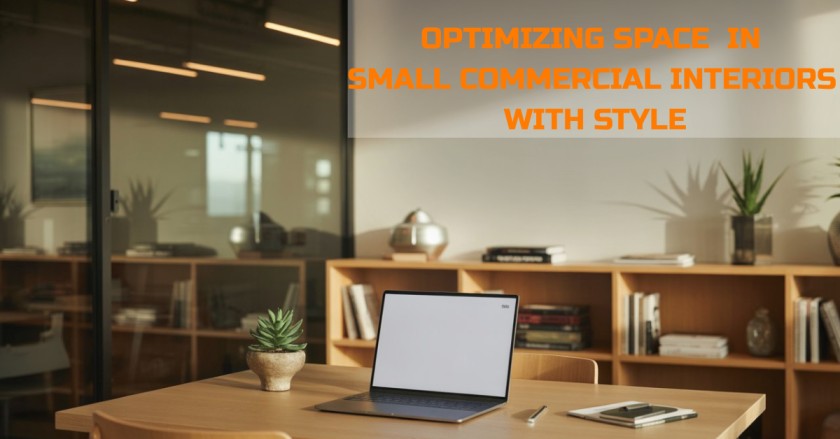
Small commercial spaces present a unique set of challenges when it comes to interior design. Whether you run a cozy cafe, a boutique retail shop, or a compact office, the way you utilize the available square footage can directly impact the functionality and overall feel of the space. Optimizing space in small commercial interiors is essential not only for aesthetic appeal but also for efficiency, customer experience, and employee productivity.
The good news is that you don’t need a large budget or massive square footage to create an impressive and functional commercial space. With the right strategies, even the smallest areas can be transformed into productive, comfortable, and visually appealing environments.
In this blog, we’ll explore practical tips and innovative solutions to help you make the most out of your small commercial space. From clever furniture choices to layout optimization, we’ll cover everything you need to create a space that works for your business and your customers.
Outline
- Why Optimizing Space in Small Commercial Interiors Is Important
- Efficiency and Productivity
- Enhancing Customer Experience
- Smart Layout and Design Choices
- Open vs. Closed Layouts
- Creating Flow and Maximizing Traffic
- Zoning in Small Spaces
- Furniture Selection and Arrangement
- Multifunctional Furniture
- Vertical Storage and Shelving
- Space-Saving Furniture Ideas
- Use of Colors, Lighting, and Decor
- Light Colors for an Open Feel
- Lighting Solutions for Small Spaces
- Decor Choices That Enhance the Space
- Tech Integration for Space Optimization
- Smart Storage Solutions
- Digital Tools for Workflow Efficiency
- Making Small Spaces Comfortable
- Comfortable Seating Arrangements
- Ergonomics and Space Efficiency
- Conclusion: Turning Small Commercial Spaces into Big Successes
1. Why Optimizing Space in Small Commercial Interiors Is Important
Efficiency and Productivity
In small commercial interiors, every inch of space counts. Whether it’s the layout of an office or the placement of items in a store, maximizing space directly contributes to overall efficiency. A well-designed small space can improve workflow, reduce clutter, and even boost employee morale. In commercial offices, optimized spaces ensure that workers are comfortable and can focus on their tasks without distractions. In retail, optimized spaces create a smoother shopping experience and allow customers to navigate the space effortlessly.
Small spaces that are optimized for efficiency reduce wasted time, prevent overcrowding, and foster a more organized and productive environment.
Enhancing Customer Experience
In retail and service industries, creating a positive customer experience is crucial. Customers are more likely to stay longer and make purchases in a well-organized, easy-to-navigate space. By optimizing space in small commercial interiors, you create an environment that feels welcoming and accessible. Whether it’s an intuitive layout or clever use of decor, customers will appreciate the thoughtful design that makes their experience smoother and more enjoyable.
2. Smart Layout and Design Choices
Open vs. Closed Layouts
When it comes to optimizing space in small commercial interiors, the layout is one of the most important factors to consider. Small spaces often benefit from open-plan designs, which create a sense of airiness and allow for better flow of movement.
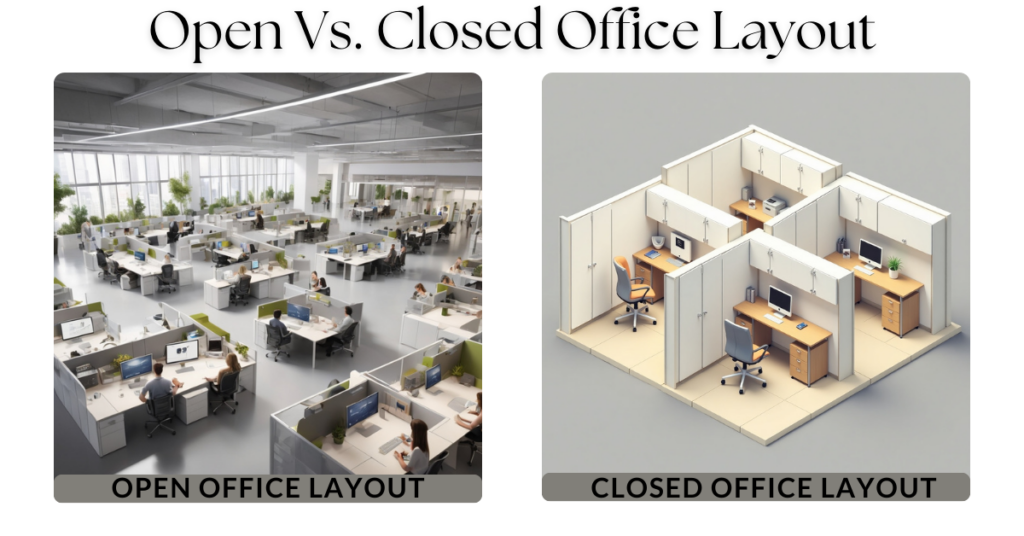
- Open Layouts: Open layouts are especially effective in retail and office settings where the goal is to maximize space and encourage interaction. Removing unnecessary partitions or walls can help the space feel more expansive, allowing employees or customers to move freely. These layouts promote collaboration, increase natural light penetration, and can be easily adapted for multifunctional use, making them ideal for businesses that value flexibility and communication.
- Closed Layouts: In some cases, creating designated rooms or spaces may be necessary. If your business requires privacy, sound control, or separation (such as offices in a co-working environment), closed layouts with minimal partitioning can help make the most of the space. Strategic use of transparent or translucent materials, such as glass partitions, can maintain a visual sense of openness while offering the required separation.
The key is to balance openness with functionality. Creating designated areas for different activities (e.g., a meeting room or display zone) while maintaining an overall open feel can work wonders in small spaces. Integrating flexible furniture, modular elements, and clever storage solutions further enhances the utility and comfort of compact commercial interiors.
Creating Flow and Maximizing Traffic
One of the challenges in small commercial interiors is creating a natural flow for foot traffic. Crowded or poorly designed spaces can make people feel cramped or hinder movement, negatively affecting both customer experience and employee productivity. A well-planned layout that guides movement intuitively can significantly improve the functionality and appeal of a small space.
- Clear Pathways: Ensure that walkways and aisles are unobstructed. This will help both customers and employees navigate the space efficiently. Designating clear circulation routes not only enhances accessibility but also contributes to a sense of order and openness.
- Strategic Furniture Placement: Arrange furniture and fixtures in a way that allows for easy movement. Avoid placing large items in the middle of the room that block flow. Use walls and corners to your advantage for furniture placement, leaving the central areas open. Consider multipurpose or modular furniture to save space and increase flexibility without sacrificing comfort or utility.
- Avoid Clutter: The less clutter you have, the more spacious the area will feel. Keep only essential items in high-traffic areas to prevent congestion and enhance flow. Incorporate smart storage solutions, such as built-in cabinetry or under-counter shelving, to maintain a tidy and organized appearance while maximizing available space.
Zoning in Small Spaces
Functions, you can improve the functionality of your space. Defining zones based on activities not only optimizes the layout but also helps users intuitively understand how to interact with the environment. Effective zoning enhances both usability and the overall experience within a small commercial interior.
- Work Zones: In an office, designate specific zones for individual work, meetings, and collaborative activities. This prevents the space from feeling chaotic and ensures that each area serves its intended purpose. Quiet zones for focused work, open areas for brainstorming, and enclosed rooms for meetings help create a balanced and efficient workspace.
- Display Zones: For retail stores, zoning can help with product displays. Use shelves, counters, or even floor decals to mark different sections of the store. This makes the shopping experience more intuitive for customers and encourages them to explore different parts of the space, potentially increasing sales.
By zoning small spaces effectively, you can make them feel less cramped and more organized. The use of visual cues, varied lighting, and contrasting materials can further define these zones without the need for physical barriers, maintaining an open and cohesive look.
3. Furniture Selection and Arrangement
Multifunctional Furniture
When you’re working with limited space, every piece of furniture should serve multiple purposes. Multifunctional furniture is a game-changer in small commercial interiors, offering both flexibility and efficiency. Thoughtful furniture choices can significantly reduce clutter, enhance usability, and create a more versatile environment without sacrificing comfort or style.
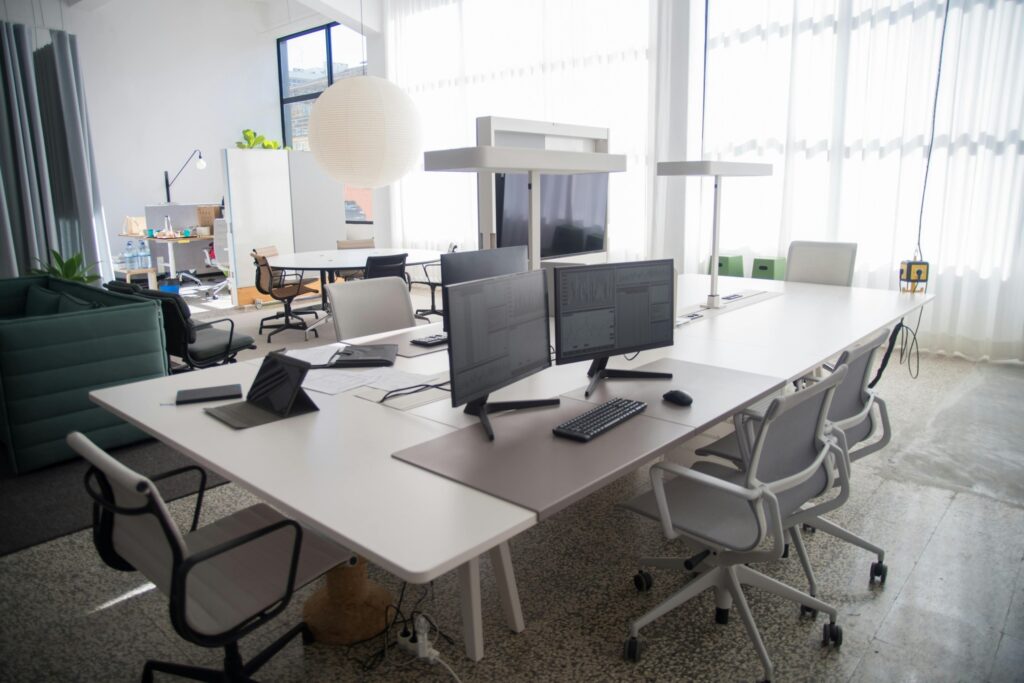
- Convertible Desks: For offices, desks that can transform into standing desks or compact tables are a great way to optimize space. These allow users to switch between tasks and working styles with ease, making the environment more dynamic and ergonomic.
- Storage Solutions: Furniture that doubles as storage, such as desks with built-in drawers or couches with hidden compartments, allows you to keep the space tidy while maximizing its potential. This is especially important in areas where visual cleanliness contributes to a professional or appealing atmosphere.
- Modular Furniture: Modular furniture is highly adaptable and can be rearranged based on the needs of the moment. This is particularly useful in multi-purpose spaces like co-working offices or flexible retail stores. Pieces can be added, removed, or repositioned to accommodate different functions, such as workshops, meetings, or pop-up displays.
Vertical Storage and Shelving
Utilizing vertical space is one of the most effective ways to optimize a small commercial interior. When you don’t have a lot of floor space to work with, turning to walls and ceilings for storage can dramatically increase your usable area without making the environment feel cluttered. This approach also keeps essential items accessible while maintaining an open, organized layout.
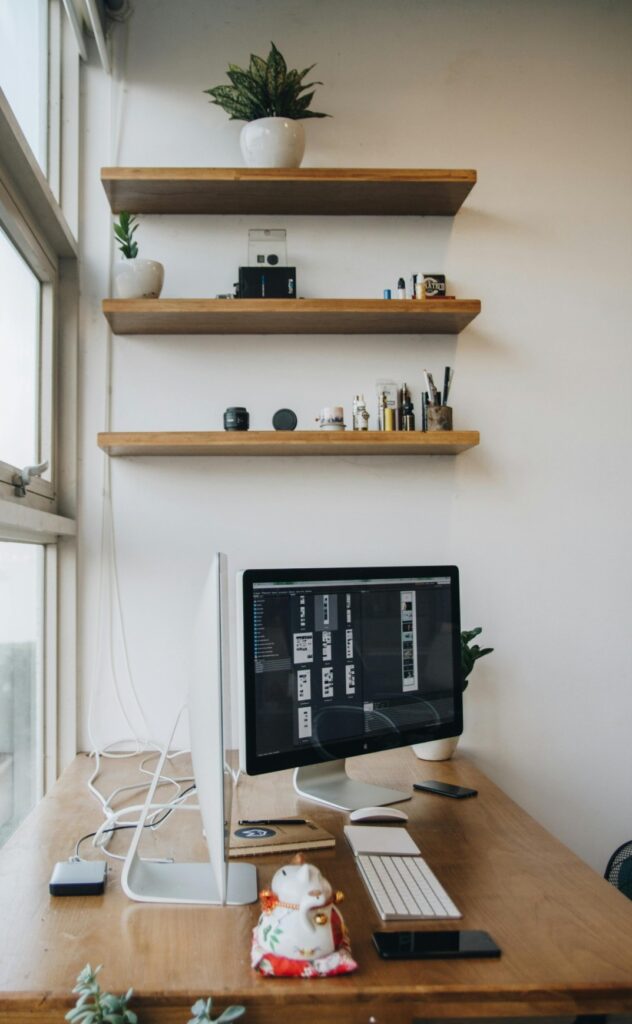
- Wall-mounted Shelving: Adding shelves to walls can help store items without taking up valuable floor space. These are perfect for books, supplies, or even decorative items. Wall-mounted shelving can be customized in terms of size, height, and materials to complement your branding and design aesthetic. In customer-facing areas, it also allows for curated displays that draw attention while saving space.
- Overhead Storage: If your space allows, installing overhead cabinets or storage bins can help keep your floor space free for walking or working. This is especially useful in areas like kitchens, supply rooms, or office back areas, where seasonal or less frequently used items can be tucked away but remain accessible when needed. Just be sure to install these units securely and at a height that doesn’t interfere with sightlines or create a safety hazard.
- Hanging Baskets: For both aesthetic and practical purposes, hanging baskets or wall hooks can hold smaller items, freeing up space on desks or counters. These are ideal for organizing tools, office supplies, or small merchandise, and can be easily reconfigured as your needs evolve. Additionally, incorporating greenery in hanging baskets can bring warmth and softness to commercial interiors, enhancing the ambiance without consuming floor space.
Space-Saving Furniture Ideas
- Foldable Tables/Chairs: In areas where seating is needed but not all the time, foldable furniture can help create space when necessary. These pieces can be easily set up for meetings, dining, or temporary workstations and then stored away when not in use, keeping the space adaptable and uncluttered. They’re especially useful in multi-functional rooms or event spaces where flexibility is key.
- Stackable Furniture: Stackable chairs or tables allow you to clear space quickly for events or when more room is needed for different activities. They are easy to store vertically, minimizing the footprint when not in use. This type of furniture is ideal for small offices, retail spaces, or co-working environments that regularly shift between different setups.
4. Use of Colors, Lighting, and Decor
Light Colors for an Open Feel
When designing small commercial spaces, the colors you choose can significantly affect how the space feels. Light colors such as white, beige, and soft pastels can make a room feel more open and airy. These hues reflect natural and artificial light effectively, helping to visually expand the space and create a calm, welcoming atmosphere. They also serve as a neutral backdrop, allowing furnishings, signage, and displays to stand out more clearly.
- Accent Walls: If you want to add color without overwhelming the space, consider using one accent wall in a darker or bolder shade to add personality and depth without making the space feel smaller. Accent walls can help define areas within an open layout such as a seating nook or display zone while adding visual interest. Strategic use of color through accents, artwork, or branding elements can inject energy and identity into the space without compromising its openness.
Lighting Solutions for Small Spaces
Lighting is another essential element in optimizing small commercial interiors. Proper lighting can make a room feel larger and more inviting, while poor lighting can make even a well-designed space feel cramped and unwelcoming. Thoughtful lighting choices enhance visibility, support the intended mood, and highlight key features within the space.
- Natural Light: If possible, maximize the amount of natural light coming into the space. This makes the area feel more open and connected to the outdoors. Use sheer window treatments or none at all to allow as much daylight in as possible. Skylights, glass partitions, and open layouts can also help distribute natural light more effectively throughout the interior.
- Layered Lighting: Combine ambient, task, and accent lighting to create a well-lit space. Use overhead lights for general illumination, task lights like desk or counter lamps for focused work, and accent lighting to highlight displays, artwork, or architectural features. This layered approach provides flexibility throughout the day and enhances the overall atmosphere.
- Mirrors: Strategically placing mirrors in a small commercial interior can reflect light and create the illusion of a larger space. Position mirrors opposite windows or light sources to bounce light deeper into the room. Besides enhancing brightness, mirrors can add visual depth and make narrow or awkward corners feel more open.
Decor Choices That Enhance the Space
Decor should not only reflect your brand identity but also contribute to the overall feeling of openness. In small commercial interiors, every design element should serve a purpose either functional or aesthetic without overwhelming the space. Thoughtful, minimal decor helps maintain a clean and inviting atmosphere while reinforcing the character and values of your business.
- Use Vertical Art: Instead of bulky, horizontal artworks, opt for tall, narrow pieces that add interest without taking up too much space. Vertical art draws the eye upward, creating a sense of height and making the room feel larger. It also complements vertical storage or shelving strategies, aligning form with function in a visually cohesive way.
- Avoid Overcrowding: Don’t overload the space with too many decorative items. Instead, focus on one or two statement pieces that stand out and complement the overall design. This could be a striking sculpture, a brand-relevant artwork, or a custom sign that reinforces your identity. Well-chosen decor helps create focal points without cluttering the environment.
5. Tech Integration for Space Optimization
Smart Storage Solutions
With advancements in technology, there are now smart storage options that can save space while keeping things organized. Digital filing systems eliminate the need for bulky physical file cabinets by storing documents securely in the cloud, freeing up valuable floor and desk space. Cloud storage also facilitates easy access and collaboration, making workflows smoother. Additionally, wireless charging stations reduce the clutter of cables and chargers, helping to maintain a clean and efficient workspace.
Digital Tools for Workflow Efficiency
Investing in digital tools such as task management software, inventory tracking systems, and communication platforms can streamline operations, which ultimately helps you optimize the physical space as well. By improving how tasks are organized and resources are tracked, these tools reduce the need for extra storage or large work areas dedicated to paperwork and manual tracking. This digital shift supports a leaner, more flexible physical environment that adapts quickly to changing business needs, playing a crucial role in optimizing space in small commercial interiors.
6. Making Small Spaces Comfortable
Comfortable Seating Arrangements
Comfort is key when working with small spaces. While optimizing space, ensure that your seating arrangements are still comfortable and inviting. Look for ergonomic chairs and cozy seating options that provide support without overwhelming the space. Compact lounge chairs, cushioned benches, or slim-profile stools can offer comfort while maintaining an open feel. Thoughtful placement such as near natural light or within quiet zones can enhance the overall user experience.
Ergonomics and Space Efficiency
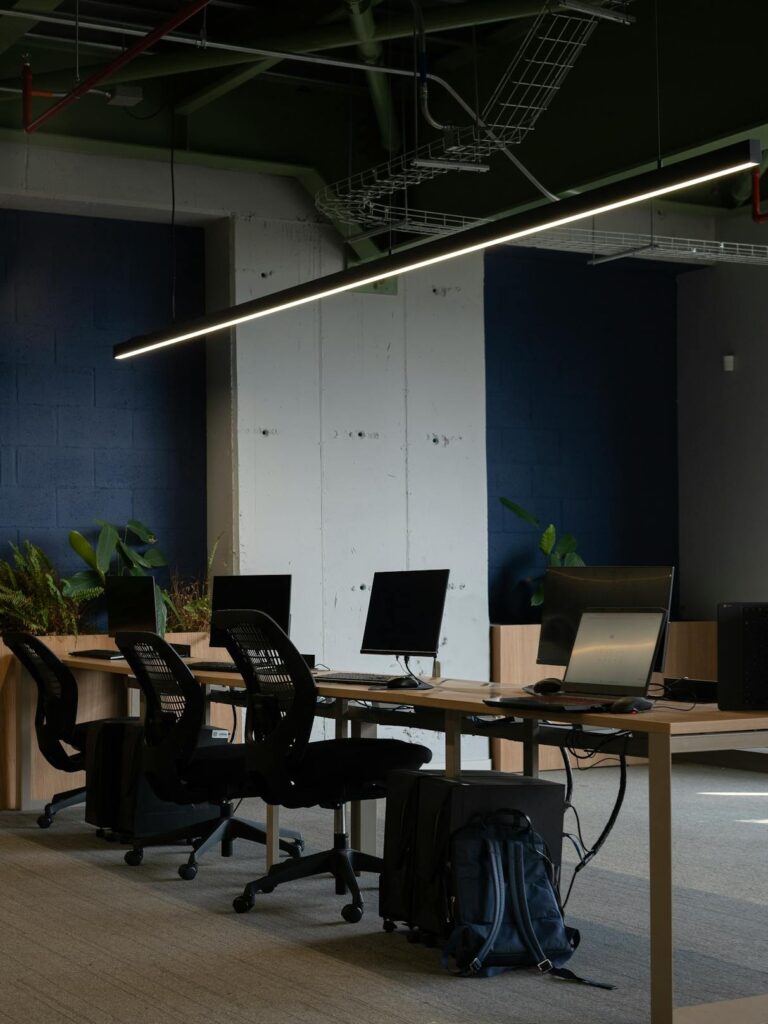
Ergonomics are important in both office and retail spaces. Choosing ergonomic furniture that promotes good posture will improve comfort and prevent physical strain, making the space more enjoyable to work in or shop at. Many ergonomic designs now combine sleek, space-saving profiles with adjustable features, ensuring both health and efficiency. Prioritizing ergonomics contributes not only to employee well-being but also to productivity and customer satisfaction.
7. Conclusion: Turning Small Commercial Spaces into Big Successes
Optimizing space in small commercial interiors doesn’t have to be complicated or costly. With thoughtful planning, smart furniture choices, and a focus on functionality, you can transform even the smallest spaces into efficient, inviting environments. By considering elements like layout, storage, lighting, and decor, you can create a space that’s both aesthetically pleasing and highly functional, regardless of size.
Remember, the key to success lies in making the most of every square foot creating a space that not only looks great but also works hard for your business. So, embrace the challenge, and watch your small commercial interior thrive!