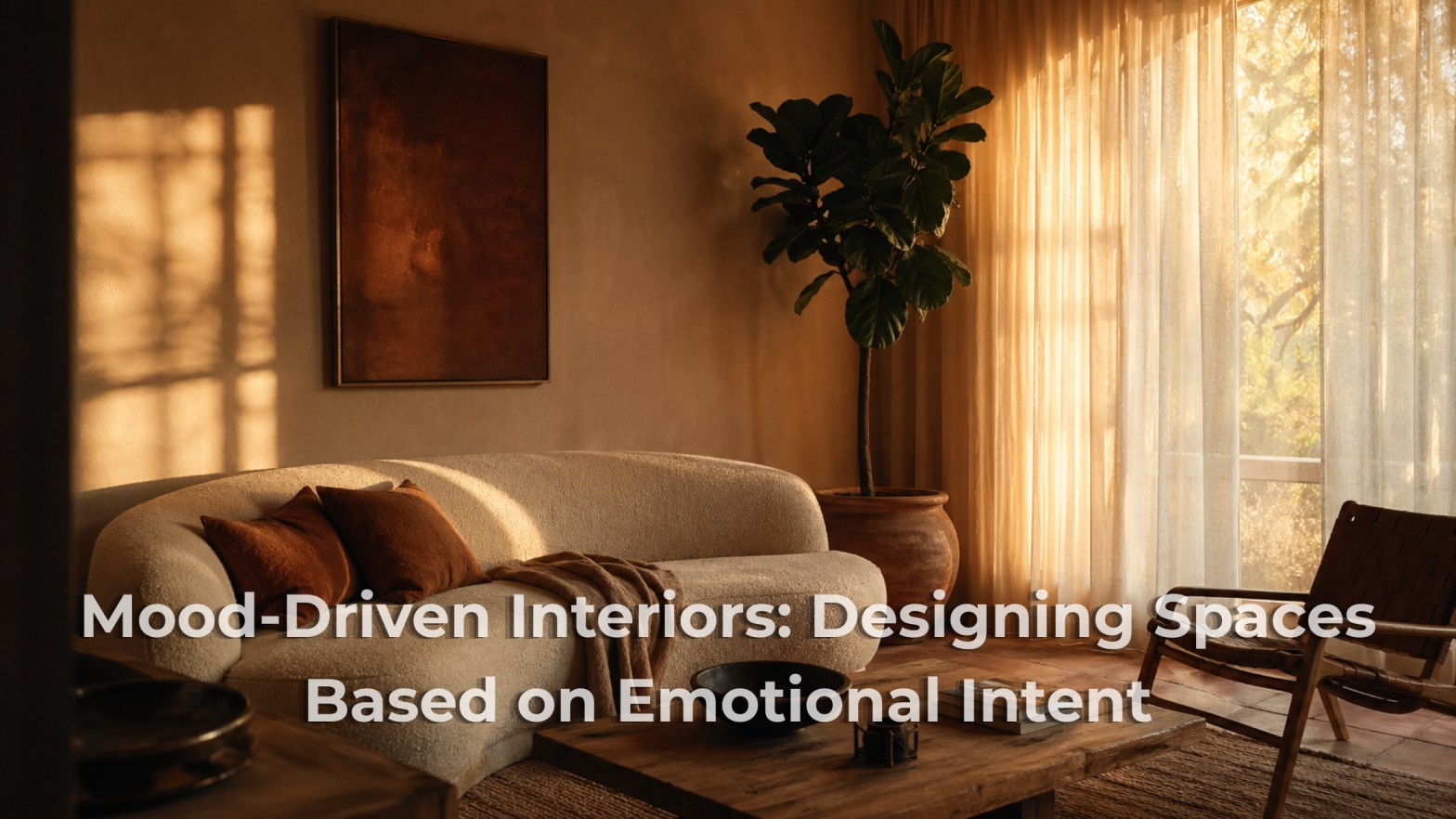
Most people furnish a space and hope it feels right. They pick what looks good, arrange it until it seems balanced, and move on. But some rooms feel genuinely good to be in. Others look perfectly fine — yet never quite settle. The difference is not style. It is intent.
Mood-driven interior design starts from the inside out. It does not begin with aesthetics. It begins with a question: what do people using this space need to feel? That answer shapes everything. The colors, the materials, the light, the furniture arrangement — even the scents and sounds. Design becomes less about decoration and more about emotional architecture.
This blog breaks down how each element of a space can be shaped with purpose — to support how people live, work, and rest within it.
Outline
- What Is Emotional Intent in Interior Design?
- The Psychology of Color and Its Emotional Impact
- Light as a Mood Modifier
- Spatial Flow and Emotional Response
- Texture and Touch: How Surfaces Shape Emotion
- Emotional Zoning: Multiple Moods, One Room
- Scent and Sound: The Invisible Layers of Mood
- Personalization and Emotional Grounding
- Biophilic Design: Bringing Nature Indoors
- Designing for How You Want to Feel
What Is Emotional Intent in Interior Design?
Before picking a paint swatch or a furniture piece, mood-driven design asks one fundamental question: how should this space make people feel? The answer becomes the foundation for every design decision that follows.
A bedroom designed for deep sleep looks very different from a home office designed for creativity. A calm, restorative space calls for soft colors, gentle lighting, and minimal clutter. An energizing workspace benefits from contrast, natural light, and bold visual stimulation. Identifying the emotional outcome first — whether it is calm, inspiration, safety, or energy — gives the entire design a clear direction. Many interior designers now use mood mapping or pre-design questionnaires to help clients articulate their emotional goals before the project begins. These tools translate feelings into visual cues: colors, textures, forms, and light levels that align with the intended experience. This step saves both time and cost, and ensures the final space truly resonates with the people who use it.
The Psychology of Color and Its Emotional Impact
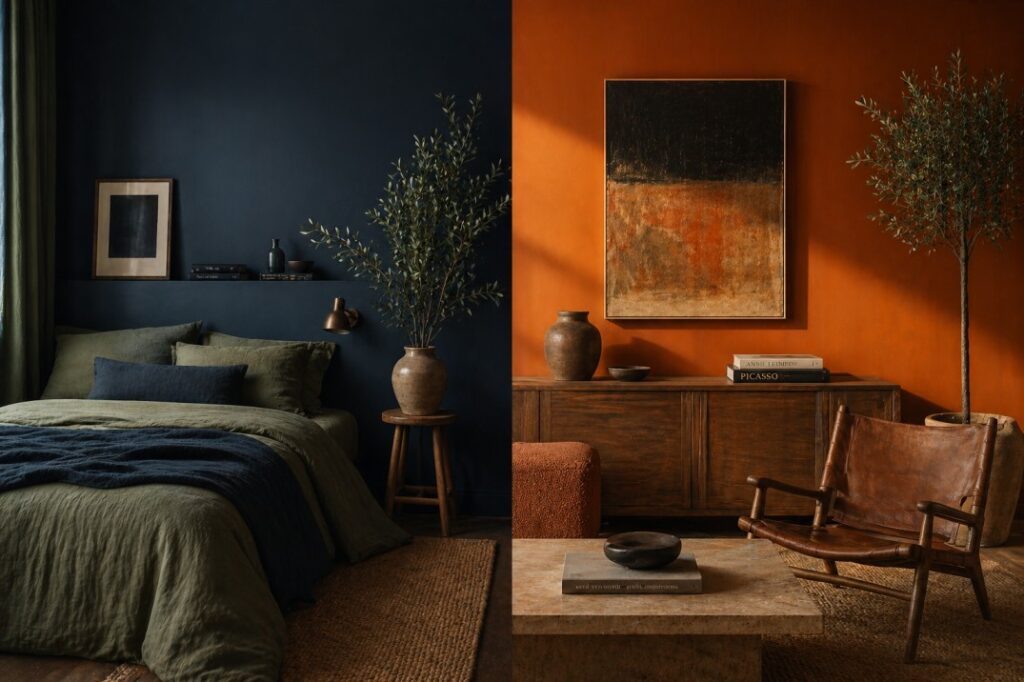
Color is one of the most powerful tools in mood-driven interior design. It communicates instantly, before anyone consciously registers the change. Soft blues and greens bring calm and reduce stress — which is why they are widely used in bedrooms and wellness spaces. Warm yellows and oranges inject optimism and energy, making them popular in social or creative areas. Reds draw attention, raise energy levels, and work well when used in moderation as accent tones.
Neutral shades — beige, warm gray, off-white — offer balance. They provide a calm backdrop that allows furniture, textures, and art to take centre stage without visual competition. These tones are especially effective in spaces that need to serve multiple emotional functions throughout the day.
It is also worth noting that color carries cultural meaning. In many South Asian contexts, saffron and gold evoke warmth, festivity, and prosperity. White, which signals purity in some cultures, can represent mourning in others. For commercial or hospitality projects serving diverse users, understanding cultural associations with color is just as important as understanding psychological ones.
Light as a Mood Modifier
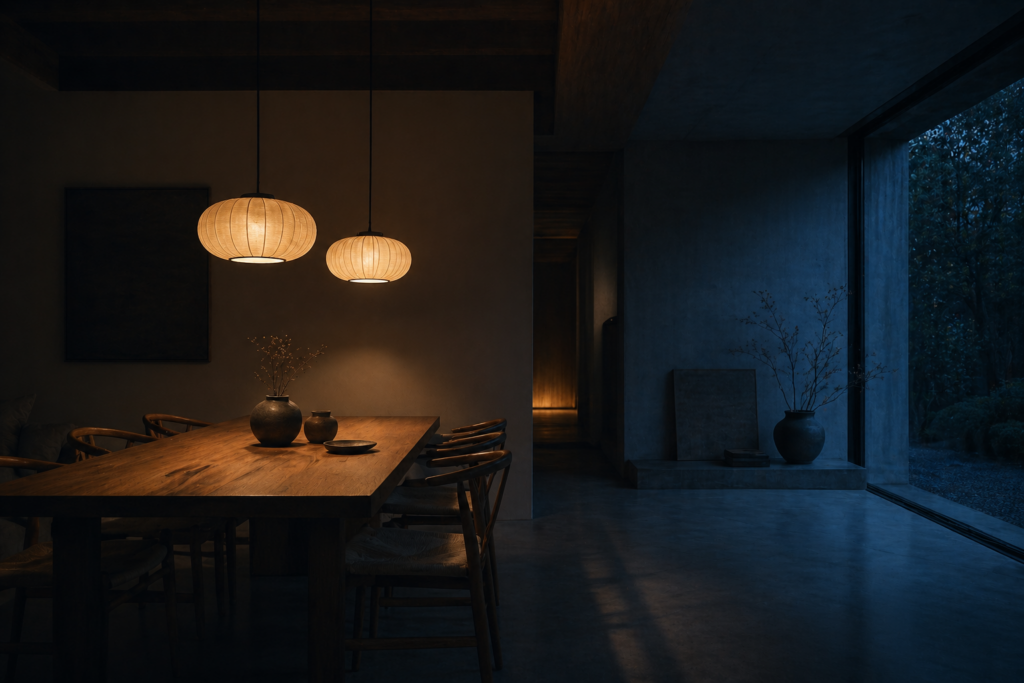
After color, lighting is the next most influential element in mood-driven interiors. Natural light is the gold standard — it supports focus during the day, lifts energy, and helps regulate the body’s natural rhythm. Rooms that welcome sunlight feel more alive, open, and welcoming.
Artificial lighting fills the gaps, but its emotional impact depends entirely on how it is used. The intensity of light matters: bright, cool-toned lighting increases alertness and suits task-oriented spaces like kitchens and work areas. Warm, dim lighting creates a soft, intimate feel — ideal for bedrooms, lounges, and dining rooms. Harsh or poorly planned lighting, regardless of colour temperature, creates fatigue and discomfort.
Direction is equally important. Downward task lighting focuses attention. Indirect lighting that bounces off walls or ceilings distributes light evenly and creates a sense of ease. Accent lighting draws the eye to specific features and adds layers of depth to a room.
Modern dynamic lighting systems — often called circadian lighting — go a step further by adjusting colour temperature and intensity across the day to match the body’s natural rhythm. Cooler tones in the morning, warmer tones by evening. These systems are particularly valuable in spaces with limited access to daylight, such as urban apartments or corporate offices.
Spatial Flow and Emotional Response
The way a space is laid out affects how people move through it — and how that movement makes them feel. An open, uncluttered layout promotes a sense of freedom and calm. Tight, blocked arrangements create frustration or a subtle feeling of being confined. The walkways between furniture, the positioning of doorways, and the relationship between zones all shape the emotional experience of a space.
Open layouts suit social, active, and collaborative environments. Enclosed or partially closed spaces offer privacy, focus, and a sense of shelter — making them ideal for personal retreat areas, reading nooks, or focused work zones. The first thing a person sees when they enter a room also plays a significant role. That initial sightline sets the emotional tone immediately. A well-lit focal point — a piece of art, a window framing greenery, or a thoughtfully styled shelf — creates a positive first impression and draws the eye into the space with intention.
Texture and Touch: How Surfaces Shape Emotion
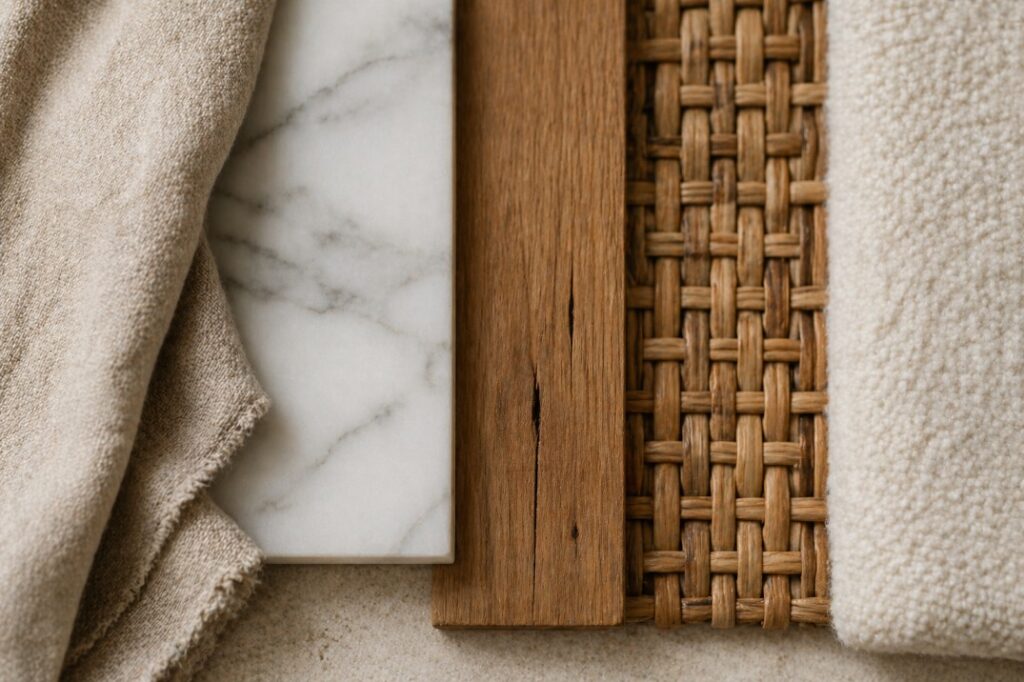
Mood-driven design does not stop at what you see. It extends to what you feel beneath your hands and feet. Material textures have a profound effect on comfort and emotional tone. Soft textiles — cotton, wool, velvet — invite relaxation and warmth. Smooth, polished surfaces like glass and lacquered wood bring clarity and a sense of precision. Raw materials such as stone, exposed brick, or reclaimed wood introduce a grounded, natural energy.
The real power of texture comes through layering. A space that combines a warm timber floor with a stone feature wall and draped linen curtains engages multiple senses at once. Each material adds its own emotional quality, and together they create a room that feels rich and balanced rather than sterile or flat.
Emotional Zoning: Multiple Moods, One Room
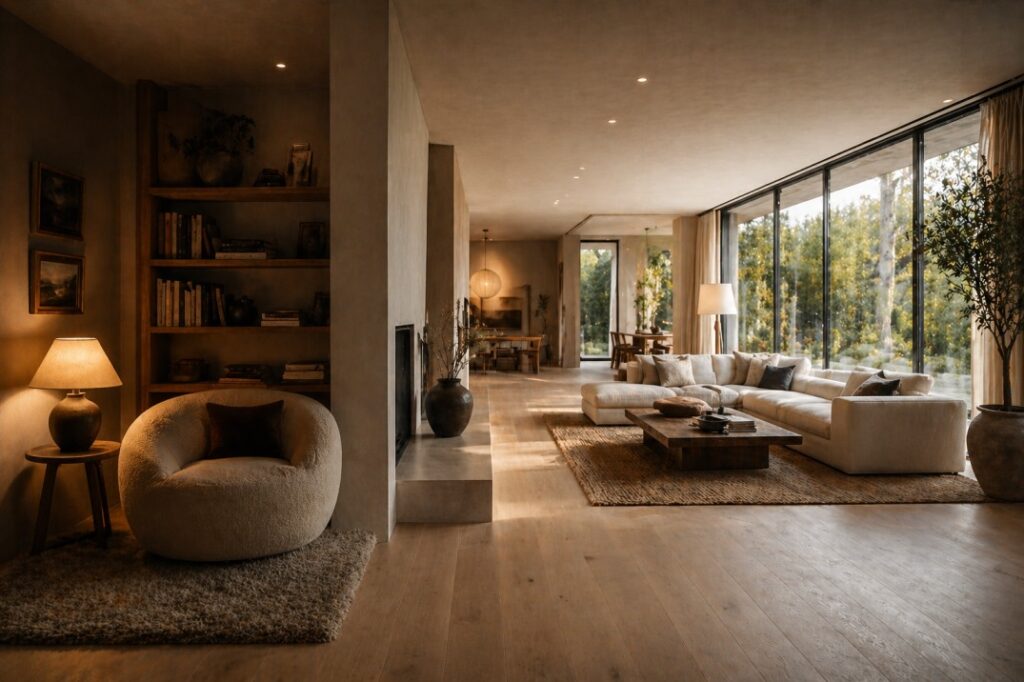
Not every space has the luxury of a dedicated room for each mood or activity. This is where emotional zoning becomes a practical and creative solution. Within a single room, thoughtful design can create distinct zones that support different emotional states — a social corner that feels energetic and open, and a quiet nook that feels private and restorative.
The tools for this are subtle but effective. Furniture placement defines boundaries without walls. A sofa angled inward creates a conversation zone; a chair tucked near a window signals a quiet retreat. Lighting reinforces the mood of each zone: warm focused light for calm areas, broader ambient light for social spaces. Material transitions — a rug shifting from hardwood flooring to a softer surface — also signal a change in purpose without any need for physical separation.
Changes in ceiling height or wall treatments are another quiet way to differentiate zones. A lower, cove-style ceiling above a reading corner creates an intimate, sheltered feel. A higher, open ceiling above a social or dining area promotes energy and openness.
Scent and Sound: The Invisible Layers of Mood
Some of the most powerful influences on mood in a space are completely invisible. Sound and scent work below the level of conscious awareness, yet their effect on how people feel is undeniable.
Background sound shapes the emotional texture of a room. Natural sounds — water, birdsong, gentle wind — reduce stress and create a sense of calm. Mechanical noise from appliances, traffic, or HVAC systems, when unmanaged, raises anxiety and disrupts focus. Acoustic treatments such as fabric panels, rugs, heavy curtains, and upholstered furniture absorb sound and soften the acoustic environment, making a space feel more comfortable and emotionally settled.
Scent adds a layer that even the most beautiful visual design cannot replicate. Lavender promotes calm and better sleep. Citrus notes boost energy and clarity. Earthy tones like sandalwood bring groundedness. Incorporating natural scents through plants, wood, or quality diffusers does not require a heavy hand — a light, well-chosen aroma enhances the emotional intent of a space without overwhelming it.
Personalization and Emotional Grounding
A space that holds no personal meaning often feels like a showroom — impressive to look at, but emotionally hollow. Mood-driven interior design recognizes that emotional grounding comes from personal connection. Art that carries a memory, books that reflect curiosity, heirlooms that link to family history — these objects anchor people to a space and make it feel genuinely theirs.
Embedding personal stories into a design does not mean cluttering every surface. It means being intentional about which objects are given space and how they are displayed. A single well-placed photograph or a handcrafted object from a meaningful journey can do more for the emotional quality of a room than an entire wall of generic decor.
Rotating personal elements seasonally is a simple and effective way to keep the emotional tone of a space feeling fresh. Lighter tones and airy fabrics in summer, warmer textures and richer colors as the weather cools — these small changes keep the space in tune with how people feel at different points in the year.
Biophilic Design: Bringing Nature Indoors
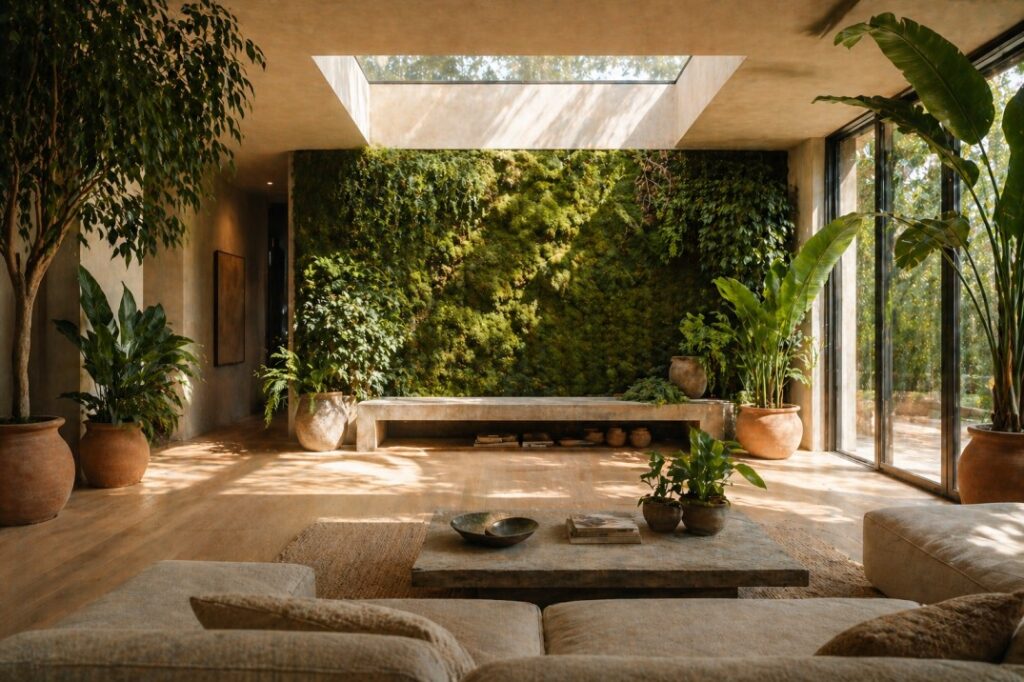
Nature is one of the most reliable sources of emotional calm and well-being, and biophilic design brings those qualities inside. Plants do more than add visual interest — they improve air quality, reduce stress, and introduce a living, breathing energy that manufactured materials simply cannot replicate. Even a small cluster of greenery near a window can shift the emotional quality of a room.
Water features, from small indoor fountains to subtle water walls in commercial spaces, add gentle sound and movement that soothes the nervous system. Daylight — real or simulated through well-designed artificial lighting — connects occupants to the natural world and supports the body’s internal rhythms.
Beyond individual elements, organic shapes and natural patterns have their own calming effect. Curves, fractals, and forms inspired by nature — in furniture silhouettes, tile patterns, or ceiling details — are processed more easily by the brain than sharp, rigid geometry. They create a quiet visual rhythm that reduces mental fatigue and supports a sense of ease.
Designing for How You Want to Feel
Mood-driven interior design is not about following trends or choosing the most aesthetically pleasing option. It is about designing with purpose — with an understanding of how spaces influence the way people think, feel, and live each day.
When every element of a space, from its color and light to its texture, layout, and scent, is chosen with emotional intent, the result is an environment that works for you. It supports calm when you need to rest, focus when you need to work, and joy when you want to gather.
Whether you are renovating a single room or planning an entire home, start with one question: how should this space make me feel? Let the answer guide every decision that follows. That is where great interior design begins.