
Minimalism is not just a design style; it’s a lifestyle. When applied to bungalow architecture, modern minimalist design focuses on creating a peaceful, clutter-free environment that emphasizes simplicity and functionality. The beauty of minimalist design lies in its ability to create stunning spaces that feel open and calming, without unnecessary embellishments.
If you’re thinking about designing a modern minimalist bungalow, this guide will help you navigate the essentials of this style. Minimalism is all about “less is more” think clean lines, neutral colors, and the use of space that serves both aesthetic and practical purposes. In this blog, we will explore modern minimalist bungalow design ideas that can help transform your home into a serene and functional space.
Outline
- Understanding Modern Minimalist Design
- What is minimalist design?
- Why choose minimalist design for your bungalow?
- Key Elements of a Modern Minimalist Bungalow
- Open floor plans
- Neutral color palettes
- Natural light
- Quality over quantity in furnishings
- Exterior Design Ideas for a Modern Minimalist Bungalow
- Simple architectural features
- Sustainable materials and landscaping
- Seamless connection with nature
- Interior Design Ideas for a Modern Minimalist Bungalow
- Functional furniture choices
- Storage solutions for minimalist living
- Simple yet stylish decor
- Modern Technology and Minimalist Design
- Smart home integration
- Energy-efficient appliances
- Space-saving technology
- Conclusion
- Recap of modern minimalist bungalow design ideas
- Final thoughts on creating a stylish minimalist bungalow
1. Understanding Modern Minimalist Design
What is Minimalist Design?
Minimalist design is rooted in the principle of “less is more.” It focuses on clean lines, simplicity, and functionality, removing any unnecessary elements or excess. In a minimalist bungalow, the goal is to create a home that feels spacious, organized, and uncluttered while emphasizing high-quality materials and thoughtful design choices.
In minimalist architecture, every element serves a purpose. From the layout to the furniture, each detail should be carefully chosen to contribute to the overall harmony of the space. In a bungalow, which already has a natural advantage of a single-story layout, minimalist design can make the space feel even more open and fluid.
Why Choose Minimalist Design for Your Bungalow?
There are several reasons why modern minimalist design is a great fit for bungalows. First and foremost, bungalows are often smaller in scale compared to multi-story homes, which makes them ideal for minimalist design principles. Minimalism helps create the illusion of more space, ensuring that your bungalow feels airy and expansive despite its size.
Additionally, minimalist design promotes tranquility and simplicity, which can be especially beneficial for people who want to create a peaceful living environment. The absence of clutter and the emphasis on functional design allow homeowners to focus on what truly matters—comfort, relaxation, and connection with nature.
2. Key Elements of a Modern Minimalist Bungalow
Open Floor Plans
One of the defining features of modern minimalist bungalow design is an open floor plan. By removing walls and barriers between living spaces, an open floor plan creates a fluid and cohesive flow throughout the home. The living, dining, and kitchen areas are often designed as one large, unified space, enhancing the feeling of openness and allowing natural light to permeate the entire area.
This design approach not only emphasizes spatial continuity but also maximizes the sense of volume within the home, making even modestly sized bungalows feel more expansive and airy. With fewer visual interruptions, sightlines extend across the interior, creating a seamless connection between different functional zones. Large windows, sliding glass doors, and strategically placed skylights further contribute to the brightness and openness, blurring the boundaries between indoor and outdoor living.
An open floor plan also promotes functionality, as it enables easy movement and flexibility in how rooms are used. For example, you can have flexible spaces that can serve multiple purposes depending on the occasion whether it’s a home office, entertainment area, or dining space. This adaptability is particularly valuable in minimalist design, where simplicity and efficiency are key. Furniture can be arranged and rearranged with ease, and integrated storage solutions can help maintain a clean, uncluttered aesthetic. In family homes, open layouts also encourage interaction and connectivity, allowing individuals in different areas to engage with one another without the limitations of physical partitions.
Neutral Color Palettes
A hallmark of modern minimalist design is a neutral color palette. Shades of white, gray, beige, and muted earth tones are often used to create a clean and calming atmosphere. These colors reflect light and make a space feel larger, which is especially important in a smaller bungalow.
Neutral tones serve as a versatile backdrop, allowing architectural features and thoughtfully selected furnishings to stand out without visual clutter. . The use of a consistent color scheme throughout the interior enhances the sense of unity and flow, promoting a tranquil and cohesive living environment.
Accents of natural wood tones, black, or even metallics can be introduced to add warmth and texture to the space without overwhelming the simplicity of the design. Wood elements, such as flooring, cabinetry, or furniture, bring a sense of organic warmth and connection to nature, which complements the minimalist ethos.
Natural Light
Natural light plays a crucial role in modern minimalist bungalow design. Large windows, glass doors, and open spaces allow natural light to flood the home, creating a bright and inviting atmosphere. The use of natural light helps to reduce the need for artificial lighting during the day and enhances the connection between the interior and exterior spaces.
Incorporating large windows or even skylights into your design can bring the outside in, providing views of nature while maintaining privacy. The abundance of light also contributes to a sense of spaciousness and openness.
Quality Over Quantity in Furnishings
Minimalist design emphasizes quality over quantity, focusing on functional, well-crafted furniture rather than filling a space with unnecessary items. Each piece is chosen with care, serving a clear purpose while contributing to a clean, cohesive aesthetic.
Furniture should feature simple forms and refined materials, such as a sleek sofa that doubles as a visual anchor or an understated dining table that provides function without overwhelming the room. Multi-functional pieces like storage benches or modular shelves help maintain an uncluttered environment. At its core, minimalist design is about intentionality making thoughtful choices that enhance the space and promote a sense of calm and order
The key is to choose items that are both aesthetically pleasing and functional, ensuring they contribute to the overall simplicity of the space.
3. Exterior Design Ideas for a Modern Minimalist Bungalow
Simple Architectural Features
The exterior of a modern minimalist bungalow should reflect the same principles as the interior: simplicity, clean lines, and functionality. The use of simple geometric shapes and materials like concrete, glass, and wood can create a sleek, contemporary look without unnecessary ornamentation.
Flat roofs or low-pitched roofs are often used in minimalist bungalow designs, as they enhance the clean lines of the home and contribute to a modern aesthetic. The facade can be kept simple with large windows that allow for an abundance of natural light.
Sustainable Materials and Landscaping
Minimalist bungalows often emphasize sustainability by using eco-friendly materials like reclaimed wood, bamboo, or natural stone. These materials not only look beautiful but also reduce the home’s environmental impact. Sustainable landscaping is also an important part of the design, with native plants and low-maintenance gardens that blend seamlessly with the natural surroundings.
Sustainable landscaping plays a vital role in the overall design, featuring native plants and low-maintenance gardens that harmonize with the natural surroundings. The landscaping approach is typically simple yet purposeful, combining clean, manicured lawns with hardscaping elements like gravel pathways and stone accents. This balance creates an attractive, functional outdoor space that complements the minimalist aesthetic while supporting environmental sustainability.
Seamless Connection with Nature
A key feature of modern minimalist bungalows is the strong connection between the interior and the surrounding environment. Large sliding glass doors, floor-to-ceiling windows, and open patios create a seamless flow between indoor and outdoor living spaces, blurring the boundaries between inside and outside. This design not only brings in abundant natural light and fresh air but also allows residents to enjoy views of gardens, landscapes, or natural surroundings from almost anywhere in the home.
This connection with nature is a fundamental aspect of the minimalist lifestyle, promoting a sense of calm and well-being. By integrating outdoor elements into daily living, the home becomes a tranquil retreat that encourages relaxation, mindfulness, and a deeper appreciation for the environment. Overall, this seamless indoor-outdoor relationship enhances the living experience, making the home feel more open, airy, and in tune with the natural world.
4. Interior Design Ideas for a Modern Minimalist Bungalow
Functional Furniture Choices
When designing the interior of a minimalist bungalow, it’s important to focus on furniture that serves a functional purpose while maintaining a clean, streamlined aesthetic. Consider multi-functional furniture pieces, such as a foldable dining table, a sofa with hidden storage, or a bed with built-in drawers.
The carefully selection of furniture is euq to avoid overcrowding the space. Instead of filling rooms with numerous pieces, focus on quality over quantity by choosing timeless, versatile designs that seamlessly blend with the overall décor. Furniture should enhance the flow and openness of the bungalow, complementing the neutral color palette and natural materials often used in minimalist design. By maintaining simplicity in furniture choices, the interior remains airy and inviting, emphasizing comfort and practicality without sacrificing style.
Storage Solutions for Minimalist Living
Storage is key in minimalist design, as it helps keep the space organized and clutter-free. Clever storage solutions, such as built-in shelving, hidden storage compartments, and minimalist wardrobes, can help reduce the need for additional furniture. Consider vertical storage to maximize space and maintain a sense of openness.
For example, floating shelves can provide space for books or decorative objects while keeping the floor area clear. Integrated storage in walls or furniture can also help maintain the minimalist look.
Simple Yet Stylish Decor
In minimalist design, décor should be kept to a minimum. The goal is to create an aesthetically pleasing environment without overwhelming the space with excessive décor or accessories. Focus on a few key pieces of art, plants, or sculptures that complement the overall style of the bungalow.
Neutral colors in artwork or accent pieces can enhance the simplicity of the space, while a few textured elements like a woven rug or soft throw pillows can add warmth and personality without breaking the minimalist aesthetic.
5. Modern Technology and Minimalist Design
Smart Home Integration
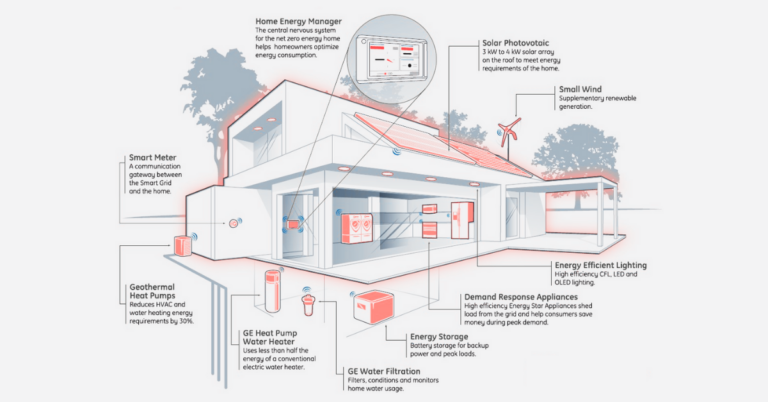
In a modern minimalist bungalow, smart home technology can enhance convenience and functionality. Automated systems for lighting, heating, cooling, and security can be integrated into the design to simplify daily tasks while maintaining a clean and uncluttered space.
Voice-activated assistants, smart thermostats, and remote-controlled appliances can add to the minimalist lifestyle by making it easier to manage the home’s systems without the need for visible technology or complex controls.
Energy-Efficient Appliances
Energy efficiency is a key consideration in minimalist design, as it aligns with the principles of sustainability and mindful living. Appliances should not only be modern and sleek but also highly energy-efficient, helping to reduce both your environmental footprint and utility bills. Choosing high-quality, energy-saving options like induction cooktops, LED lighting, and smart thermostats enhances the overall minimalist aesthetic while promoting eco-friendly living. These appliances blend seamlessly into the design, maintaining clean lines and avoiding visual clutter.
Space-Saving Technology
Minimalist bungalows often focus on maximizing every inch of available space. Space-saving technology plays a crucial role in achieving this by incorporating innovative solutions such as retractable furniture, fold-away desks, or built-in appliances. By integrating smart design elements and multi-purpose technology, the home remains both practical and visually uncluttered, perfectly embodying the minimalist lifestyle.
6. Conclusion
Modern minimalist bungalow design is all about creating a space that is simple, functional, and beautiful. By focusing on open floor plans, neutral color schemes, natural light, and quality furnishings, you can transform your bungalow into a sleek and serene living space. Whether it’s the exterior with its simple architectural features or the interior with its functional furniture and clever storage solutions, minimalist design offers a perfect balance of form and function.
By embracing minimalist design principles, you can create a bungalow that not only looks stunning but also promotes a peaceful, clutter-free lifestyle.