
Bungalow design for senior citizens goes beyond aesthetics it’s about creating a comfortable, safe, and functional living environment tailored to the needs of aging individuals. As people grow older, mobility challenges and other physical limitations can make everyday tasks more difficult. A well-designed bungalow addresses these challenges by promoting easy movement, reducing accident risks, and enhancing overall quality of life. One of the biggest advantages of bungalows for seniors is their single-story layout. Without stairs to navigate, seniors can access all parts of the home safely and independently, which is essential for those with limited mobility or balance issues. Thoughtful design must also include accessible bathrooms with grab rails, wide doorways, non-slip flooring, and ramps where needed.
In addition, smart storage solutions help seniors keep their belongings within easy reach, reducing the need to bend or stretch. Entryways without steps or with gentle ramps improve access for those using walkers or wheelchairs. Future-proofing the home with flexible layouts and adjustable features ensures the bungalow remains comfortable as mobility or health needs change over time. Thoughtful Bungalow Design for Senior Citizens combines these safety-focused elements with a user-friendly layout to empower residents to live with confidence and independence.
In this blog, we will explore the best bungalow design ideas for senior citizens, focusing on accessibility, safety, and comfort. Whether you are planning a new home or adapting an existing one, these tips will help create an age-friendly bungalow that meets the unique needs of seniors.
Outline
- The Importance of Senior-Friendly Design
- Why bungalow design matters for seniors
- The role of accessibility and safety
- Key Design Features for Senior-Friendly Bungalows
- Open floor plans for easy movement
- Wide doorways and hallways
- Non-slip flooring
- Accessible bathrooms
- Proper lighting
- Easy-to-operate elements
- Avoid sharp edges and corners
- Ramp access
- Easy to clean and maintain materials
- Adequate switches and controls
- Creating Comfortable and Relaxing Spaces
- Bedrooms designed for rest and ease
- Living areas that encourage relaxation and socialization
- Outdoor spaces for leisure and enjoyment
- Minimizing the Use of Stairs
- Low and Accessible Storage Solutions
- Planning for Future Needs
- Designing with future mobility in mind
- Adjustable elements and flexible layouts
- Conclusion
- Recap of best design ideas
- Final thoughts on making bungalows senior-friendly
1. The Importance of Senior-Friendly Design
Why Bungalow Design Matters for Seniors
When it comes to aging in place, one of the most important decisions is the type of home that best suits the needs of senior citizens. Bungalow design for senior citizens offers a practical solution, as bungalows with their single-story layout are ideal for seniors because they eliminate the need to navigate stairs, which can become a significant challenge as individuals age.
However, beyond just the layout, it’s essential to ensure that the design of the bungalow is tailored to provide ease of movement, comfort, and safety. Seniors need more than just an aesthetically pleasing space they need an environment that promotes independence, supports changing physical needs, and minimizes the risk of injury. Thoughtful bungalow design for senior citizens focuses on these priorities, creating homes that are both functional and supportive for long-term living.
The Role of Accessibility and Safety
One of the central aspects of bungalow design for senior citizens is accessibility. Features that make the home accessible are crucial to maintaining the mobility and independence of senior residents. A senior-friendly bungalow must have wide doorways, easy-to-navigate hallways, and spaces that can comfortably accommodate mobility aids like wheelchairs or walkers. By prioritizing accessibility, bungalow design for Senior Citizens ensures that the home remains safe, functional, and comfortable as the resident’s physical needs evolve over time.
Safety is another major consideration. Accidents, especially falls, are a leading cause of injury in older adults. Therefore, a senior-friendly bungalow design must prioritize features that reduce the risk of accidents, such as non-slip flooring, grab bars, and proper lighting.
2. Key Design Features for Senior-Friendly Bungalows
Open Floor Plans for Easy Movement
One of the best design ideas for senior-friendly bungalows is an open floor plan. Open spaces with fewer walls and barriers allow for easy movement throughout the home. Seniors who use mobility aids will find it much easier to navigate a spacious layout without obstacles like narrow corridors or cramped rooms. An open floor plan also allows for better airflow and visibility, making the home feel more spacious and less claustrophobic.
An open layout also enables caregivers to move freely and easily around the home if needed, which is essential for elderly individuals who may need extra assistance.
Wide Doorways and Hallways
Accessibility is a crucial consideration when designing a bungalow for senior citizens. Wider doorways and hallways are essential to accommodate mobility aids like wheelchairs, walkers, or crutches. Standard doorways can sometimes be too narrow, making it difficult to navigate through them, so widening the doors is a key step in ensuring that seniors can move around the house comfortably and independently.
Hallways should also be spacious and free from obstructions. The layout should promote easy movement from room to room without any barriers that could impede mobility.
Non-Slip Flooring
Falls are a major concern for seniors, and slippery floors can exacerbate this risk. When designing a senior-friendly bungalow, non-slip flooring is one of the most important features to incorporate. Hardwood floors, tiles, and even carpet can become slippery when wet, so it’s essential to choose flooring materials that provide good traction.
Rubberized flooring, cork, or textured vinyl are excellent choices for senior-friendly bungalows, as they reduce the likelihood of slips and falls. Additionally, ensuring that area rugs are securely fastened or removed entirely can prevent tripping hazards.
Accessible Bathrooms
Bathrooms are one of the most important areas to consider when designing a bungalow for senior citizens. Many seniors require assistance when it comes to personal care, so it’s essential to have a bathroom that is fully accessible. Key features for an accessible bathroom include:
- Walk-in showers: Walk-in showers are a top priority. A low-threshold shower is far easier and safer for seniors to access than a traditional bathtub. These showers eliminate the need to step over a high tub wall, reducing the risk of falls. Features such as built-in benches and handheld showerheads can enhance comfort and independence.
- Grab bars: Installing grab bars near the shower, toilet, and sink can provide stability and support, making it safer for seniors to move around. These bars help prevent slips and falls and can be a critical aid for individuals who need extra help maintaining balance while transitioning between standing and sitting positions. It’s important that the grab bars are securely anchored to the wall to ensure maximum safety.
- Raised toilet seats: A higher toilet seat reduces the strain on the legs and knees when sitting down or standing up. Standard-height toilets can be too low for seniors, especially those with arthritis or joint problems. A raised toilet seat, or a comfort-height toilet, makes these daily routines more manageable and less physically demanding.
- Wide doorways: Just like the rest of the house, the bathroom should have wide doors to accommodate mobility aids. A doorway width of at least 36 inches allows for easy entry and exit for those using walkers, wheelchairs, or other assistive devices. Pocket doors or outward-swinging doors can also be considered to maximize space within the bathroom.
These features not only enhance comfort but also ensure that the bathroom is a safe space for seniors to use independently.
Proper Lighting
As people age, their eyesight may decline, making proper lighting essential in every room of the house. Inadequate lighting can increase the risk of accidents and make it difficult for seniors to perform daily tasks. Therefore, ensuring that each room is well-lit is critical.
In addition to general lighting, consider installing motion sensor lights in hallways and bathrooms. These lights will turn on automatically when someone enters the room, reducing the need to fumble for switches. Task lighting, such as reading lamps and under-cabinet lights in the kitchen, can also make daily activities easier and safer.

Creating a completely stair-free environment not only improves overall safety but also supports the needs of seniors who rely on mobility aids. By minimizing physical barriers, the entire home becomes more accessible, comfortable, and easier to navigate, fostering greater independence and confidence for aging residents.
These smart storage solutions ensure that seniors can safely and easily access their belongings without requiring assistance.
Easy-to-operate elements
For senior citizens, even small tasks like opening a door or turning on a light can be difficult if the design isn’t thoughtful. That’s why it’s important to use fittings and controls that are easy to handle. Door handles should be lever-type instead of round knobs, as they need less grip and strength to use. Light switches should be wide or rocker-style so they can be turned on or off with just a gentle touch. These are easier for seniors, especially those with weak hands or joint pain.
Water taps with single-lever handles or touch sensors are also helpful. They allow better control of water flow and temperature with one hand and reduce the risk of sudden hot or cold splashes. Cupboard and drawer handles should be large and easy to grip preferably D-shaped so they can be pulled without twisting the wrist.
These simple choices make daily routines smoother and safer. Seniors can move around the house more confidently and perform basic tasks without needing help.
Avoid sharp edges and corner
In homes for senior citizens, safety is a top priority especially when it comes to furniture and fixtures. Sharp edges on tables, shelves, or counters can cause injuries if someone accidentally bumps into them. As people age, balance may become less steady, and falls are more common. Rounded corners help reduce the risk of cuts or bruises during such accidents. This small change can make a big difference in creating a safer living space.
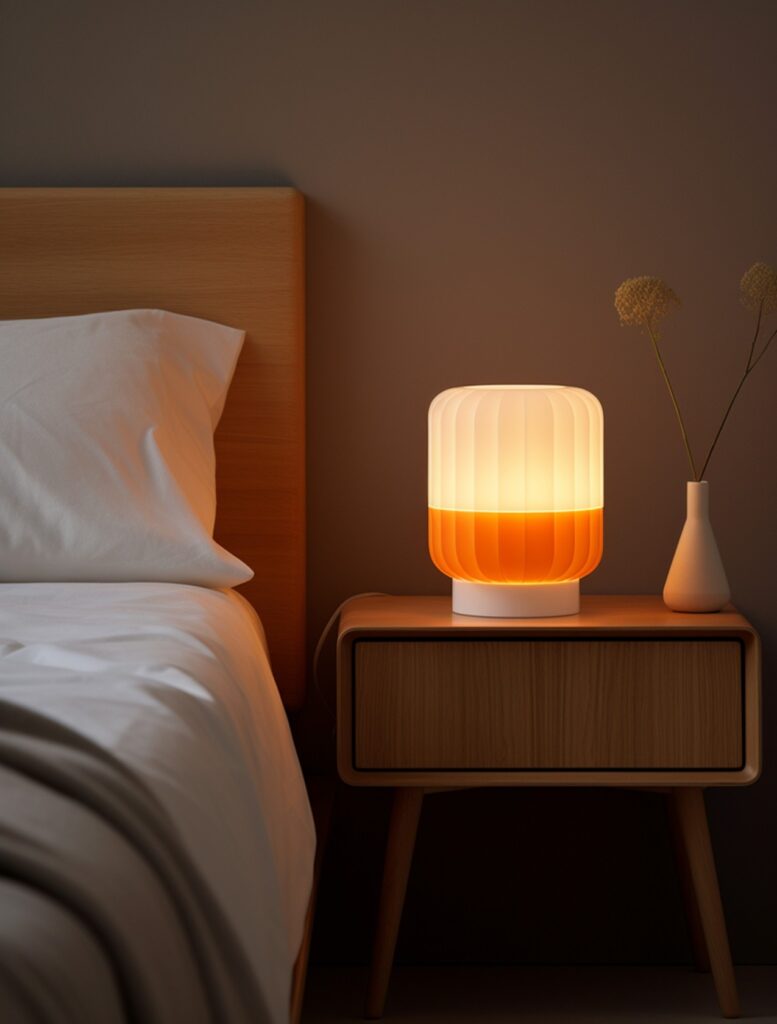
Choose furniture with soft, curved edges instead of pointed corners. If replacing furniture isn’t possible, corner guards can be added to existing pieces for extra protection. Wall corners, countertops, and bedside tables should also be smooth and not at a sharp angle. In bathrooms and kitchens where slips are more likely this is especially important.
By avoiding sharp edges, we help create a safer environment where seniors can move around with more confidence and less worry.
Ramp Access
Ramps are a must-have in senior-friendly homes. They make it easier and safer for elderly people to enter and move around the house—especially if they use a walker, wheelchair, or simply have trouble with stairs. Every entry point with steps should have a gently sloped ramp beside it. The ramp should not be too steep and must have handrails on both sides for support. A non-slip surface is also important to prevent slipping during rainy weather. Even small level changes inside the house, like between rooms or near the bathroom, can be made more accessible with small ramps.
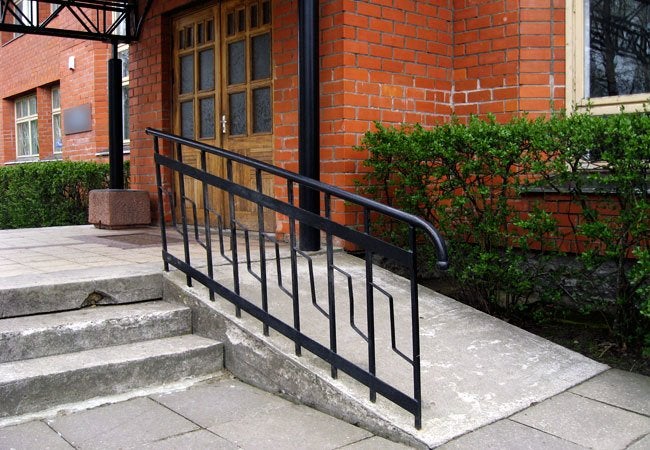
With proper ramp access, seniors can move freely and confidently, without the fear of tripping or falling.
Easy to clean and maintain materials
In senior-friendly homes, choosing materials that are easy to clean is very important especially in hard-to-reach places like corners and edges. Dust and dirt often gather in these spots, so using smooth, seamless surfaces helps make cleaning quick and simple. Floors should be made of materials like matte-finish tiles or vinyl that don’t trap dirt and can be wiped easily, even in corners. Avoid carpets or textured floors that collect dust and require more effort to clean. Wall finishes should be smooth and washable, allowing easy removal of smudges without damaging the paint.
Kitchen and bathroom surfaces should be stain-resistant and moisture-proof, so spills and splashes don’t cause permanent damage and can be cleaned up effortlessly. Furniture with simple designs and rounded edges reduces dust buildup in corners and makes wiping down easier. By using materials that simplify cleaning in every part of the home including tricky corners senior residents and their caregivers save time and effort, keeping the home healthier and safer.
Adequate switches and controls
Switches and controls should be placed where seniors can easily reach them without strain. For example, light switches near the bed allow them to turn lights on or off without getting up, which is especially helpful at night. Switches should be installed at an accessible height about waist or chest level so they’re easy to use whether standing or sitting. Positioning controls near doorways, bathrooms, and frequently used areas makes daily tasks more convenient.
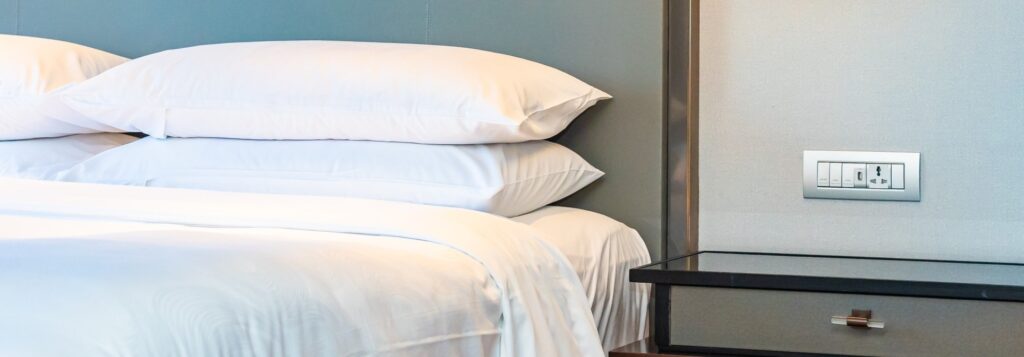
Using larger switches or rocker-style controls also helps seniors with limited hand strength or arthritis operate them comfortably. Properly placed and easy-to-use switches improve safety and independence, letting seniors control their environment with ease.
3. Creating Comfortable and Relaxing Spaces
Bedrooms Designed for Rest and Ease
When designing a senior-friendly bungalow, comfort and functionality are especially important in the bedroom. The bed should be positioned for easy access, with a minimum height of about 20 inches (50 cm) from the floor to make sitting down and standing up easier for seniors. The mattress should offer proper support to ensure restful sleep. Adjustable beds that can be raised or lowered are also a great option to assist seniors when getting in and out of bed.
In addition to the bed, provide ample storage for personal items like clothing, medications, and books within easy reach. Including a comfortable reading chair or a small seating area creates a cozy spot for relaxation and socializing. Thoughtful bedroom design helps promote independence, comfort, and safety for senior residents.
Living Areas that Encourage Relaxation and Socialization
Bungalows are often designed with an open living area where family and friends can gather. For senior citizens, this area should be both inviting and easy to navigate. Arrange furniture in a way that promotes social interaction, and ensure that there are plenty of seating options that provide support and comfort. Consider adding personal touches to the living space, such as family photos, artwork, and soft furnishings. These elements make the space feel more like home, promoting relaxation and well-being.
Outdoor Spaces for Leisure and Enjoyment
Outdoor spaces such as patios, gardens, and balconies can significantly enhance the living experience for senior citizens. Design these spaces to be easily accessible, with paths that accommodate walkers or wheelchairs. Low-maintenance landscaping is ideal, as it allows seniors to enjoy the outdoors without the need for extensive upkeep. Creating a peaceful outdoor retreat with comfortable seating, shaded areas, and attractive plantings can provide seniors with a space to relax, unwind, and enjoy nature.
4. Minimizing the Use of Stairs
While bungalows are typically single-story, it’s important to ensure that there are no unexpected level changes within the home. Even a small step at the entrance or between rooms can become a significant obstacle for senior residents. To truly support mobility:
- Stair free Ramps: Design all entryways to be step-free, using ramps instead of stairs. using gentle ramps instead of stairs. This applies not only to the main entrance of the home but also to any secondary doors leading to outdoor areas such as patios or garages. Step-free entries make it much easier for seniors using wheelchairs, walkers, or canes to enter and exit the home without assistance.
- Floor plan: Avoid split-level interiors or sunken spaces, as changes in elevation within the home can disrupt mobility and increase the risk of falls. A single-level floor plan is ideal for senior-friendly bungalows, as it eliminates the need to navigate stairs and ensures all areas of the home are equally accessible.
- Flooring material: Ensure smooth transitions between flooring types to prevent tripping hazards. For example, going from hardwood to carpet or tile should not involve sudden changes in height or texture. Transition strips or thresholds should be flush with the floor and securely fastened to avoid catching feet or mobility aids.
5. Low and Accessible Storage Solutions
Storage accessibility is often overlooked but plays a critical role in senior-friendly design. High cabinets or deep overhead shelves can be difficult and unsafe for older adults to reach. Instead:
- Pull Out Drawers: Pull-out drawers are an ideal solution in both kitchens and bathrooms. These drawers and roll-out shelves allow seniors to access items without bending, stretching, or kneeling. Roll-out shelves in lower cabinets are especially helpful, as they bring items into view and reach with minimal effort, making them far more practical than fixed shelving.
- Storage location: Position frequently used items at waist or countertop level to reduce the need for bending or reaching overhead. Everyday essentials such as cookware, dishes, toiletries, and cleaning supplies should be stored within easy reach to promote safer and more comfortable daily routines.
- Accessible wardrobes: Consider under-bed storage, built-in low cabinets, and easily accessible wardrobes for bedrooms and living spaces. These options make good use of available space without compromising accessibility. Sliding doors, pull-down clothing rods, and shallow drawers also enhance usability, allowing seniors to maintain control over their personal spaces.
5. Planning for Future Needs
When designing a bungalow for senior citizens, it’s essential to consider their future needs. Aging often comes with changing mobility and health conditions, so it’s important to design a home that can accommodate these changes over time.
Designing with Future Mobility in Mind
Future-proofing a home involves anticipating potential physical limitations and incorporating design features that support aging in place. Consider adding wider doorways to allow easy passage for wheelchairs or walkers, as well as higher countertops that reduce the need to bend. Adjustable shelving in closets and storage areas makes it easier to access items without strain and can be modified as physical needs change. These thoughtful design choices ensure that the home remains functional and accessible throughout the different stages of aging.
Adjustable Elements and Flexible Layouts
Incorporating adjustable elements, such as movable countertops, height-adjustable sinks, or wall-mounted vanities, gives the home added versatility. These features can be tailored to suit the resident’s abilities without requiring a full-scale renovation. Likewise, modular furniture and open-concept layouts allow rooms to be easily reconfigured turning a guest room into a caregiver’s suite or transforming a dining area into a space for medical equipment if needed.
6. Conclusion
Designing the perfect bungalow for senior citizens requires careful planning and consideration. By incorporating features that enhance accessibility, safety, and comfort, you can create a space that supports independence and well-being. From open floor plans to smart technology and comfortable living areas, there are many ways to make a bungalow more senior-friendly. Ultimately, the goal is to design a home where seniors can live comfortably, safely, and with dignity. With these best bungalow design ideas for senior citizens, you can create a space that enhances their quality of life and supports their needs for years to come.