
Building your dream home is a crucial and exciting step which begins with selecting the right piece of land. Whether you plan to build a small villa or a large bungalow, this decision takes you halfway through your dream home. It defines your overall budget, design possibilities, daily comfort, and future resale value. With so many factors to consider, the process may seem overwhelming. Don’t worry, we will guide you through the key points to help you make a safe and smart investment. In this blog, we will cover the essential things to check before buying a plot for home construction. From legal approvals to location details, you will learn how to make a confident and informed decision.
Outline
- Legal and Ownership Verification
- Essential certificates to verify
- Title Deed
- Land Use Zoning
- Encumbrance Certificate
- Land Revenue Records
- How to find these Certificates
- Title Deed
- Zoning Certificate
- Encumbrance Certificate
- Land Revenue and Tax Records
- Tips to Check Document Authenticity
- Cross-verify at the sub-registrar’s office
- Check for government stamps and seals
- Match ownership details
- Ask for original documents
- Consult a property lawyer
- Essential certificates to verify
- Location and Accessibility
- Proximity to Key Amenities
- Transportation
- Neighbourhood
- Future Developments
- Plot Size and Shape
- Space Requirements
- Plot Shape
- Setbacks and Building Restrictions
- Natural Light and Ventilation Potentital
- Topography and Soil Quality
- Land Slope
- Soil Quality
- Flood Risks
- Utilities and Amenities
- Water Supply
- Electricity
- Sewage and Waste Disposal
- Internet and Communication
- Budget and Financing
- Land Price
- Construction Costs
- Financing
- Future Developments: Research the potential for future development in the area.
- Environmental Concerns
- Climate Conditions
- Environmental Hazards
- Conclusion: Final thoughts on buying a plot for home construction.
1. Legal and Ownership Verification
Before you get too excited about the location and the potential design of your future home, it’s crucial to ensure that the land you’re buying is legally sound. Legal issues can cause significant financial burdens in the long run.
Essential certificates to verify
- Title Deed: Make sure the seller has clear ownership of the property. Check that the title deed is free of encumbrances, such as legal disputes or claims from others. Make sure the seller has clear ownership of the property. The title deed should be in the seller’s name and must be verified for authenticity. Check that it is free from encumbrances, such as legal disputes, joint ownership claims, or any third-party interests. It’s also wise to examine the history of ownership to ensure there are no breaks or inconsistencies in the transfer of title.
- Land Use Zoning: Verify that the land is designated for residential construction. Zoning laws dictate whether land can be used for residential, commercial, agricultural, or industrial purposes. Buying land zoned for non-residential use could restrict your ability to build a home or limit the type of structure you’re allowed to construct. If the land was previously agricultural or commercial, ensure that conversion permissions are in place.
- Encumbrance Certificate: This document proves that the land is free from legal disputes, unpaid dues, and mortgages. It shows the history of financial transactions involving the land and helps ensure that there are no outstanding claims or loans secured against it. You can typically obtain this certificate from the sub-registrar’s office.
- Land Revenue Records: Ensure that all land taxes and dues are paid up to date. Check municipal or local authority records to confirm that the seller has no pending land revenue or property tax liabilities. Clean tax records indicate that the land has not been under any kind of government scrutiny or seizure.
To avoid any surprises, it’s a good idea to consult with a real estate lawyer who can help you navigate the legal processes and verify the authenticity of the property.
How to find these Certificates
You can get most land-related documents from the sub-registrar’s office where the property is registered. Many states now offer online services through government portals. It’s important to visit the right office and carry the correct details like survey number, owner’s name, and location of the plot. Here is how to get each document:
- Title Deed: Ask for a certified copy at the sub-registrar’s office. This paper shows who owns the land. A legal expert can help you check if the deed is real and if the ownership record is complete. Always ask to see the original title before making any decision.
- Zoning Certificate: Visit the local town planning office or municipal authority. This certificate shows if the land is marked for residential use. It also tells you if the land was earlier used for farming or commercial purposes. If there was a change in land use, check if proper approval has been given.
- Encumbrance Certificate: Apply for this at the sub-registrar’s office or on your state’s land records website. You will need details like the property survey number and location. This paper shows if the land has any unpaid loans or legal claims.
- Land Revenue and Tax Records: Go to the tehsildar’s office or local municipal office. These records show if all land taxes are paid. Some states let you check this information online. A clean tax record means the land has no unpaid dues or government action.
Tips to Check Documents Authenticity
It’s important to confirm that the documents you receive are genuine. Fake or tampered papers can lead to major legal problems later. Here are a few ways to check if the documents are real:-
- Cross-verify at the Sub-Registrar’s Office: Visit the sub-registrar’s office where the land is registered. Ask for certified copies of important documents like the title deed and encumbrance certificate. These certified copies are official. They are taken directly from government records. If the details in the certified copy do not match what the seller gives you, it may be a sign that something is wrong. Always compare both versions carefully.
- Check for Government Stamps and Seals: Check each document for government stamps, legal seals, and proper signatures. You should also see clear registration numbers and dates. These details should not look faded, smudged, or overwritten. Any missing or unclear stamp may mean the paper is not valid or was changed.
- Match Ownership Details: The name of the landowner, plot number, survey number, and location should stay the same in every document. Go through each paper slowly. If anything is different or spelled wrong, ask for clarification. A mismatch in these basic details could mean the documents are fake or have been edited.
- Ask for Original Documents: Never agree to anything by only looking at photocopies or digital scans. Always ask the seller to show the original documents. Originals have more signs of authenticity, like embossed seals, special paper, and clearer printing. By checking the originals yourself, you avoid falling for fake or duplicate papers.
- Consult a Property Lawyer: A lawyer who works with land deals can help you review all the papers. They know what to look for and can spot problems you might miss. They can also go through the past ownership records to check if the land was sold legally in the past. This helps you confirm that the seller is the true owner and there are no hidden legal issues.
2. Location and Accessibility
Location is one of the most crucial factors when buying a plot for home construction. A beautiful plot in the wrong location could impact your daily life, convenience, and future property value. Here are some key things to look out for:
- Proximity to Key Amenities: Your plot should be located near essential services such as grocery stores, schools, hospitals, and recreational facilities. Having easy access to these amenities can significantly enhance your quality of life and save time on daily tasks. Consider how far you’re willing to travel for necessities, especially if you have children or elderly family members who may need regular medical or educational access.
- Transportation: Check the distance from the plot to public transport options like buses, trains, metros, and major roads or highways. Easy access to transportation is important for daily travel to work, school, and errands. It also increases the property’s value and appeal for future resale or rental.
- Neighbourhood: Investigate the overall environment of the neighbourhood, including safety, cleanliness, noise levels, and the general vibe of the community. A quiet, green suburban area may seem perfect at first, but make sure it matches your lifestyle and expectations. Check local crime rates, talk to residents if possible, and evaluate the social infrastructure like parks, walking areas, and street lighting.
- Future Developments: Research any planned infrastructure or real estate developments in the area, such as new roads, commercial centers, malls, or apartment complexes. These can have both positive and negative impacts. While upcoming projects may increase property value and attract better amenities, they can also lead to noise, traffic congestion, or a change in the neighbourhood character. It’s important to weigh the potential for appreciation against any possible disruptions.
3. Plot Size and Shape
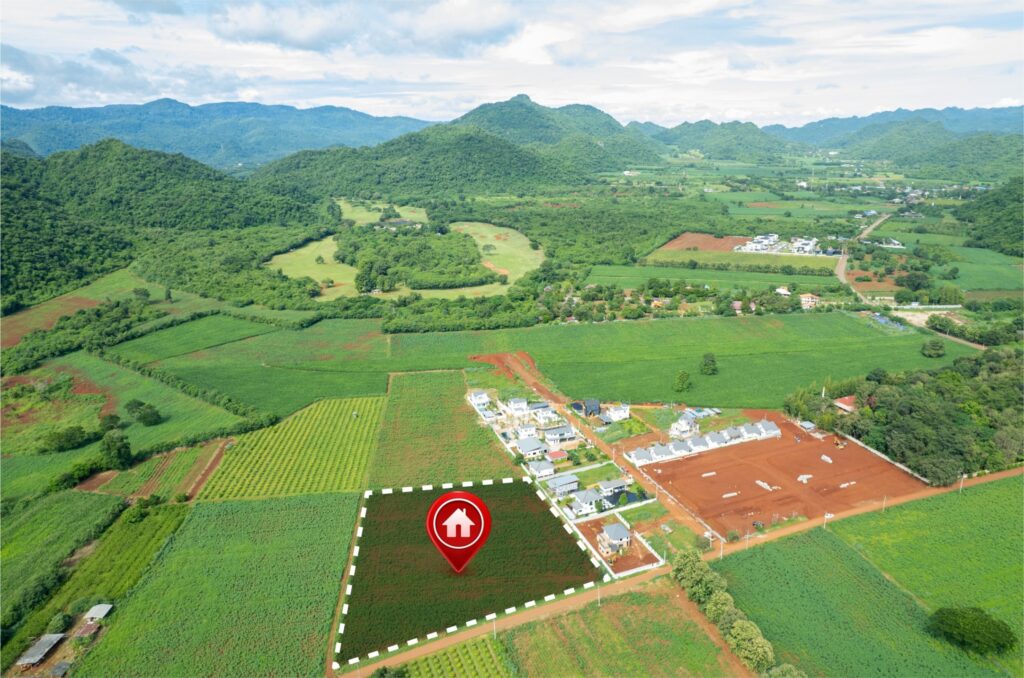
The size and shape of the plot will influence the design and cost of building your home. When evaluating the plot size, keep the following factors in mind:-
- Space Requirements: Decide how much space you need based on your family’s current needs and future plans. Think about the number of bedrooms, bathrooms, and other living areas you want. Include outdoor spaces like a garden, patio, or driveway. A bigger plot can be tempting, though it often comes with higher costs for upkeep, landscaping, and property taxes. Choose a plot that gives enough space while staying practical and affordable.
- Plot Shape: The shape of the plot affects how your home can be designed and built. Square or rectangular plots are usually easier and cheaper to build on. Irregular plots may need special plans, which can make construction more complex and expensive. They might also lead to some space being wasted or hard to use. Make sure the plot shape matches your design needs.
- Setbacks and Building Restrictions: Each area has rules about how close you can build to the edge of your plot. These are called setbacks and help with safety, air flow, and privacy. Check if the plot gives enough space to build after following these rules. You should also look at height limits and other local building codes. Ignoring them can reduce the size of your home or cause legal problems during construction.
- Natural light and Ventilation Potential: When choosing a plot, check how much natural light and fresh air the house will get. A bright, airy home feels more comfortable, stays healthy, and uses less energy. East and north-facing plots often receive soft morning light, which suits most Indian climates. Make sure nearby buildings or trees do not block sunlight or airflow. In hot areas, wind from the southwest can help cool the home if planned well. Good light and airflow reduce the need for electric lights and cooling, which helps lower energy use.
4. Topography and Soil Quality
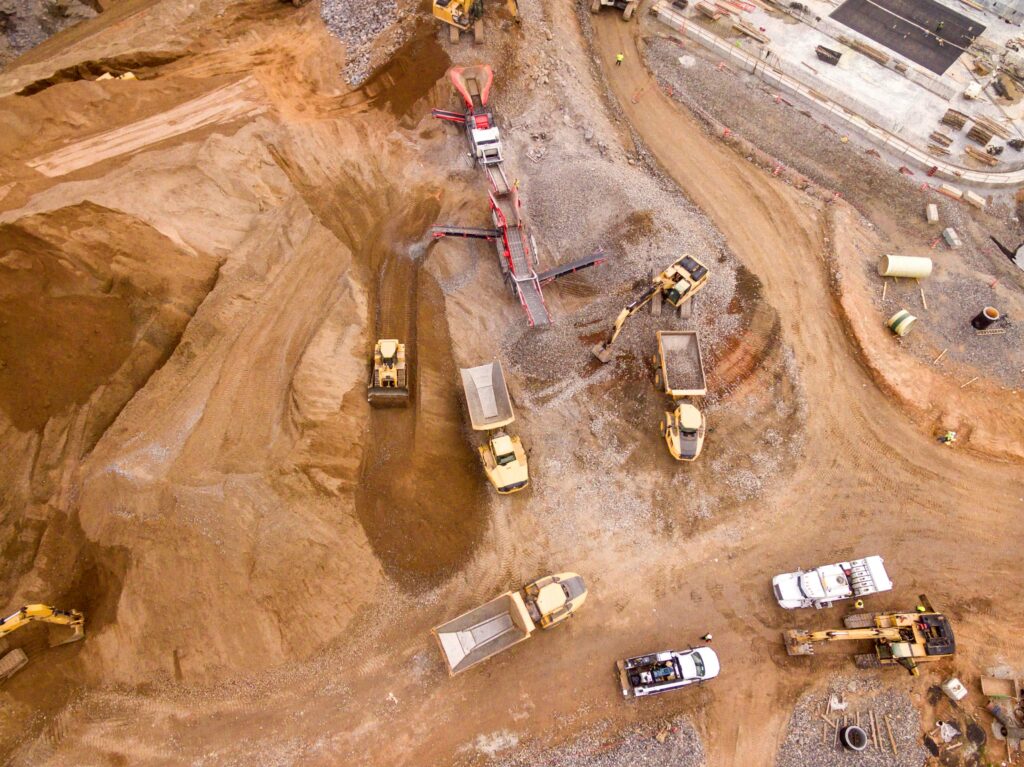
The physical characteristics of the land will play a significant role in the construction process. Here’s what to consider regarding the topography and soil quality:
- Land Slope: Steep or uneven plots can make construction harder and more costly. A sloped plot may need levelling, retaining walls, or extra drainage to handle water flow. These steps significantly raise the total building cost. Some people like the look or privacy of a high plot, but make sure the extra work fits your budget and plans. When buying a plot for home construction, check if the land is flat enough for easy building.
- Soil Quality: Before purchasing a plot, it’s essential to conduct a soil test to assess the ground’s stability and suitability for construction. Poor soil quality can affect the strength and durability of your home’s foundation. For example, clay-rich soil tends to expand and contract with moisture, which may require deeper or reinforced foundations. Sandy or loose soil might not provide sufficient support and could lead to structural issues if not properly addressed. Soil quality plays a crucial role in landscaping. If you are planning to add greens to your dream home, you must emphasize on this point.
- Flood Risks: Check if the land is in a flood-prone or low-lying area. These plots may need raised foundations, waterproofing, and extra drainage, which can increase costs. Homes in such areas might also have higher insurance and safety risks. Always look at local flood maps and drainage plans before buying a plot for home construction.
5. Utilities and Amenities
When purchasing land for home construction, access to utilities is a must. You need to make sure that the plot can easily be connected to essential services like:-
- Water Supply: Make sure the plot has a clean and steady water supply. It is best if the land is linked to the city water line. If not, check for other options like borewells or private water connections. A weak water supply can cause daily problems and raise costs for water delivery or setting up storage and filters. When buying a plot for home construction, always check water availability.
- Electricity: Check if the area has proper electrical lines and if the plot can connect easily to the local power grid. If poles or wires are far away, you may need to pay extra to get a connection. Ask the local electricity board about connection options and how much power you can get, especially if you plan to build a big or high-energy home. When buying a plot for home construction, make sure power access is simple and cost-effective.
- Sewage and Waste Disposal: Investigate whether the area has an established sewage system. In some developing areas or rural locations, you might need to install a septic tank or bio-digester system for waste management. Make sure the soil and layout of the land support proper drainage and waste disposal to avoid long-term health and hygiene issues.
- Internet and Communication: In today’s connected world, access to high-speed internet is essential for work, education, and entertainment. Check with local service providers to ensure that the area supports broadband, fiber-optic, or other reliable communication networks. In remote areas, internet and mobile connectivity can be limited, which may affect your daily convenience and productivity.
- Road Access: Check if the plot is directly connected to a legal road approved by the local authority. A wide, well-connected road makes construction easier and adds long-term value. In most cases, the road should be at least 20 to 30 feet wide. Plots near main roads or planned government projects may see faster growth in value. Make sure the road is shown in official layout or land records.
6. Budget and Financing
Before purchasing a plot, carefully assess your budget. The cost of the land, construction, and related expenses can vary significantly depending on location and plot specifications. Here’s what to consider:
- Land Price: The price of land can vary significantly based on its location, size, surroundings, and future development potential. It’s important to compare prices in the area and evaluate whether the asking rate is justified. Make sure the cost of the plot aligns with your overall budget, leaving room for construction and other associated expenses. Be cautious of deals that seem too good to be true, as they may come with hidden legal or infrastructural issues.
- Construction Costs: The cost to build your home depends on many factors. This includes the size of the house, quality of materials, local labor rates, and design choices. Features like landscaping, compound walls, or custom interiors can increase the cost. Before buying the plot, consult with an architect to understand possible costs based on your needs. An architect can help plan the layout, guide you on material use, and give a rough estimate. This helps you set a realistic budget, avoid surprises and may save money too.
- Financing: If you plan to finance the land purchase, it’s essential to explore loan options thoroughly. Many banks and financial institutions offer specific loans for land acquisition, but they often come with different terms and conditions compared to home loans. Some lenders may require you to begin construction within a certain time frame or take out a separate construction loan. Understanding eligibility criteria, interest rates, and repayment terms will help you make informed decisions and avoid financial strain..
7. Future Developments
- Check Future Infrastructure: Before buying a plot, find out what new projects are planned in the area. These may include roads, flyovers, metro lines, shopping malls, schools, or hospitals. This kind of growth can make the area more comfortable to live in and increase the plot’s value. You can check future plans by visiting the local municipal office or checking official websites. This will help you understand how the area might change in the coming years.
- Understand the Impact on Property Value: New developments around your plot can increase its value. If you plan to sell the property later, this could give you a good return on investment. Plots near upcoming metro lines, highways, or business parks often become more desirable. These improvements can also attract better facilities and more people to the area, which may help the community grow in a positive way.
- Be Aware of Possible Disturbances: Future projects may bring more traffic, noise, and activity to the area. While development can be good for value, it may also reduce the peaceful nature of a neighbourhood. Think about how these changes could affect your lifestyle and comfort. What seems like a quiet location today may become busier in a few years.
- Think About Long-Term Safety and Comfort: Choose a plot in an area that feels safe today and will likely stay that way in the future. Too much construction or poor planning can make a neighbourhood feel crowded or unsafe. Make sure the location will continue to support a peaceful and healthy lifestyle for your family over the coming years..
8. Environmental Concerns
Finally, consider the environmental factors that might affect your property.
- Climate Conditions: Look at the local weather before buying a plot for home construction. Check how hot or cold it gets, how much it rains, and how the seasons change. Areas with very high heat, strong storms, or little rainfall may need special building plans. In hot places, homes may need better airflow or insulation to stay cool. In rainy places, sloped roofs and waterproofing are helpful. Knowing the climate will help you choose the right design and plan for future upkeep.
- Environmental Hazards: Check if the land is in a danger zone for natural events like landslides, earthquakes, or wildfires. These risks can make building harder and more costly. Also, find out if there are any rules about the land, such as being near a forest, lake, or protected zone. These rules can limit what you are allowed to build. Always study the area well to avoid problems later.
Conclusion
Buying a plot for home construction is an exciting step, though it can feel overwhelming. There are many things to think about, like legal checks, location, and future changes in the area. Making the right choice is important for the success of your home project. Focus on key factors such as land ownership, plot size, soil quality, and access to water and electricity. These points will help you build safely and within your budget. Take time to study the land and talk to experts if needed. Good planning can help you avoid mistakes that may cost you later. With this guide, you are better prepared to choose the right plot and start building your dream home with confidence. A wise choice now will benefit you for many years.