
The layout of a store is more than just a visual arrangement of shelves and displays. It is a strategic tool that shapes customer behavior and directly influences purchasing decisions. Every corner, aisle, and product placement is designed to guide movement, capture attention, and encourage exploration. Store Layout Psychology helps retailers create an environment that feels intuitive, inviting, and comfortable, making it easier to engage customers and improve their overall experience.
The way customers enter, navigate, and interact within the space affects how long they stay and how much they buy. From the location of entrance zones to the use of lighting and product positioning, each element plays a role in building engagement. A well-designed layout not only improves traffic flow but also strengthens brand perception and boosts overall sales. Store Layout Psychology provides insight into these design choices, helping retailers create more impactful and customer-focused shopping experiences.
In this blog, we will explore the psychological principles behind store layouts and how you can leverage them to boost customer interaction and improve your retail performance.
Outline
- Understanding Customer Behavior in Retail Spaces
- The Role of Human Psychology in Shopping
- How Store Layout Influences Buying Decisions
- The Key Elements of Effective Store Layouts
- Store Layout Types and Their Psychological Impact
- The Importance of Flow and Circulation
- Using the Psychology of Store Layouts to Drive Customer Engagement
- Creating Emotional Connections through Design
- Strategic Product Placement to Encourage Exploration
- The Power of Color and Lighting in Retail Environments
- Optimizing the Customer Experience with Store Layout
- Fostering Customer Comfort and Convenience
- Using Technology to Enhance Interaction
- The Role of Signage and Branding in Navigation
- Mistakes to Avoid in Retail Store Layout Design
- Overcrowding and Cluttered Spaces
- Ignoring Customer Flow and Traffic Patterns
- Conclusion: Leveraging Psychology for a Profitable Retail Strategy
1. Understanding Customer Behavior in Retail Spaces
A. The Role of Human Psychology in Shopping
Shopping is often driven by emotions and subconscious reactions. Customers are not only looking for products, they seek experiences that feel comfortable, engaging, and memorable. The way a retail space makes someone feel has a direct impact on how they behave inside it. A layout that creates a sense of ease and interest encourages people to stay longer, explore more, and make confident decisions. Store Layout Psychology plays a key role in shaping these emotional experiences through thoughtful design.
Human psychology shapes how people move, observe, and respond within a store. Open areas feel more inviting, while clear pathways make navigation effortless. Well-lit zones naturally attract attention, making them ideal for featured displays. People tend to follow familiar movement patterns, often turning right after entering and moving in a counterclockwise direction. By applying Store Layout Psychology, retailers can design spaces that align with natural behavior and keep customers more engaged throughout their visit.
Thoughtful design can guide customers smoothly from one section to another, gently influencing their journey. When the environment supports comfort, curiosity, and ease, it becomes easier to hold attention and increase the chances of purchase. By using psychological insights, store owners can turn a visit into an experience that feels personal and satisfying.
B. How Store Layout Influences Buying Decisions
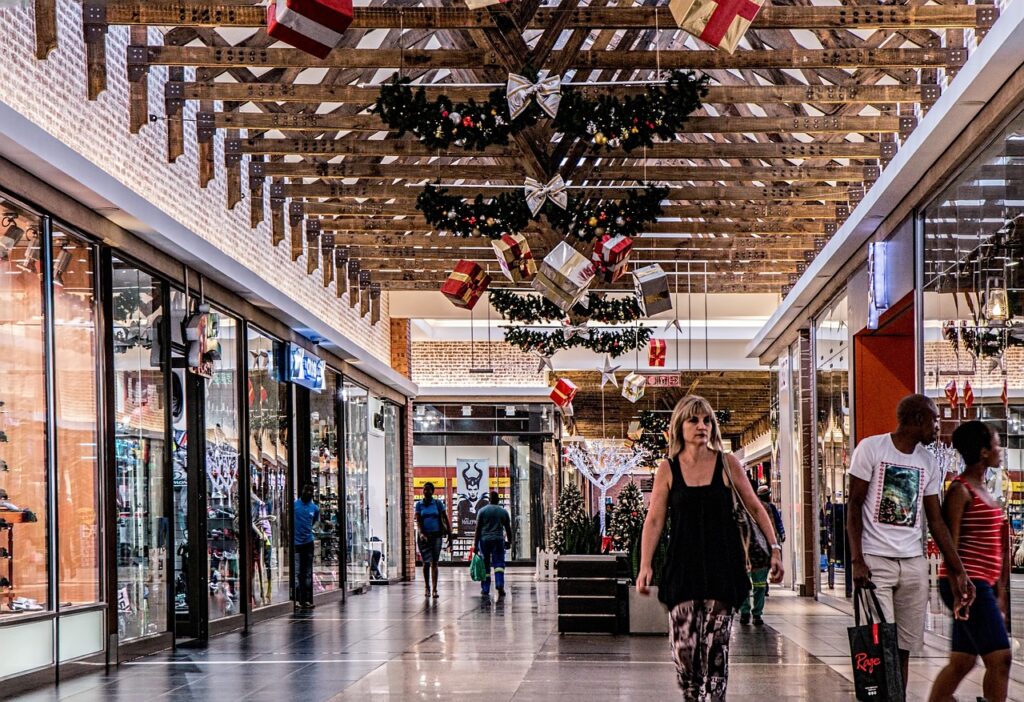
The layout of a store plays a key role in shaping customer behavior and influencing purchasing choices. It affects how people view the brand, how they feel inside the space, and how they interact with products. A clean, well-planned layout gives the impression of professionalism and attention to detail. Customers are more likely to trust a business that feels organized and easy to navigate. In contrast, a messy or confusing layout can lead to frustration and create doubts about the store’s credibility or product quality. Store Layout Psychology helps retailers understand how these design decisions impact customer perception and behavior.
Layout choices also guide customer movement and focus. The way products are arranged affects their visibility and accessibility. Items placed at eye level or along natural walking paths receive more attention and are more likely to be picked up. High-traffic zones such as store entrances, aisle ends, or checkout counters offer valuable opportunities for showcasing featured or impulse-buy items. By applying Store Layout Psychology, retailers can position products more strategically to increase engagement and support quicker buying decisions.
A well-designed layout doesn’t just make the store look better, it actively shapes how customers experience the space. Every detail, from shelf height to aisle width, contributes to how shoppers think, feel, and act during their visit. When these elements are planned with purpose, they support a smoother shopping journey and higher sales.
2. The Key Elements of Effective Store Layouts
A. Store Layout Types and Their Psychological Impact
Retailers use different store layout strategies to guide customer behavior and enhance the shopping experience. Each layout has a specific purpose and creates a distinct psychological response. The goal is to make navigation smooth, increase product visibility, and influence the time spent in the store.
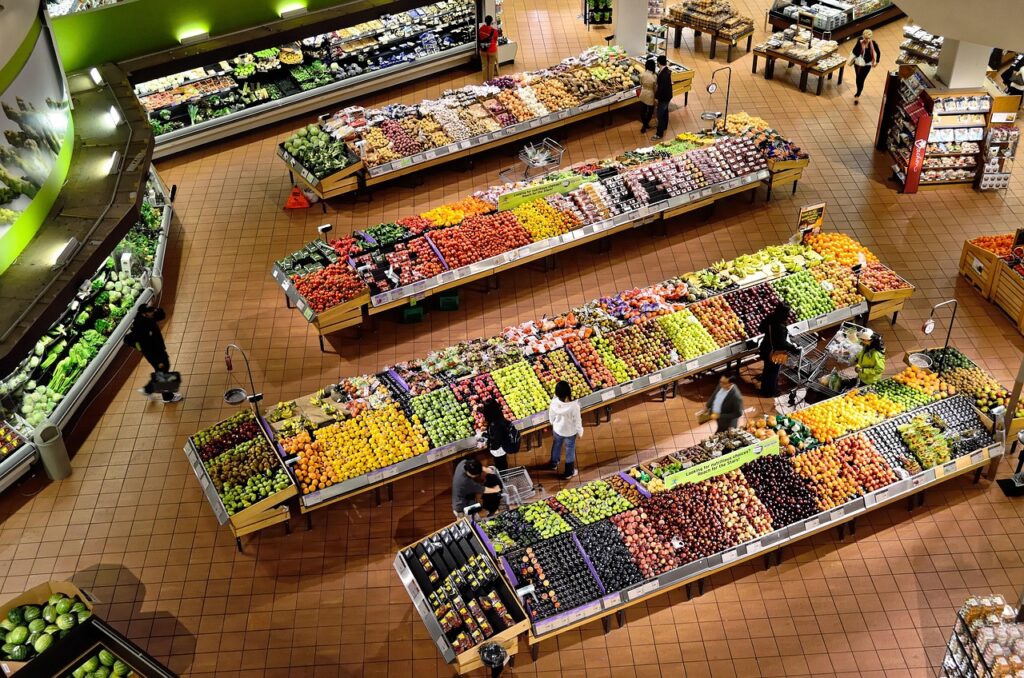
- Grid Layout: This layout features parallel aisles and clearly defined sections, often seen in supermarkets and department stores. It allows customers to move through the space in a structured way, making it easier to find specific items. The predictable path supports efficient shopping but may feel repetitive over time. To keep the experience engaging, visual breaks such as promotional displays or colorful signage can help refresh attention and spark interest along the route.
- Loop (or Racetrack) Layout: Designed to lead customers along a circular path, this layout directs foot traffic around the store’s perimeter before moving inward. It encourages full exploration, increasing the chance that shoppers will encounter a wider range of products. The continuous flow supports natural movement and gives retailers multiple opportunities to place key items along the journey. It works well for stores aiming to keep visitors engaged for longer periods.
- Free-Flow Layout: With no set path, the free-flow layout allows open exploration and creates a more relaxed environment. Common in boutiques and lifestyle stores, this layout supports discovery and spontaneity. It encourages a slower pace and helps customers focus on displays at their own rhythm. To avoid confusion, it’s important to maintain visual balance and ensure clear sightlines across different zones.
- Herringbone Layout: This layout uses angled displays branching off a central aisle, creating a dynamic and visually interesting space. It works well in smaller or narrow stores like fashion boutiques or home decor shops. The angled design invites movement into side areas without disrupting the overall flow. It combines the order of the grid layout with the creative freedom of open design, offering both structure and variety.
B. The Importance of Flow and Circulation
Smooth traffic flow and easy navigation are key to keeping customers engaged. When the layout guides movement naturally, people feel comfortable and are more likely to explore. Clear paths, wide walkways, and consistent lighting help direct attention and make the store easier to browse.
Using clear signage and grouping related products improves structure and helps customers find what they need. Avoid narrow aisles or crowded zones, as they can create discomfort and reduce interest. A well-planned layout creates a shopping journey that feels effortless, encourages discovery, and increases time spent in the store.
3. Using the Psychology of Store Layouts to Drive Customer Engagement
A. Creating Emotional Connections through Design
Design has the power to shape how customers feel inside a store. A thoughtful layout can do more than display products, it can create an emotional experience that builds lasting connections with the brand. When people feel a sense of comfort, excitement, or inspiration, they are more likely to stay longer, enjoy the visit, and return in the future.
Using design elements like color, texture, lighting, and signage helps create a mood that aligns with the store’s identity. Warm, vibrant tones can add energy and make the space feel lively. In contrast, soft, neutral shades can promote calmness and a sense of elegance. Materials such as wood, stone, or fabric can add depth and personality, giving the space a more welcoming feel.
To create a meaningful experience, it’s important to understand what your audience values. A design that reflects their lifestyle, emotions, and expectations strengthens their connection to the space. When customers feel emotionally in tune with the environment, shopping becomes more than a transaction, it becomes a positive memory.
B. Strategic Product Placement to Encourage Exploration
Placing products thoughtfully within a store plays a vital role in customer engagement. When items are positioned in the right spots, shoppers are more likely to notice them, interact with them, and make a purchase. Easy access and clear visibility are two major factors that influence how people respond to what they see.
Position high-interest items, such as new arrivals or high-margin products, in areas where customer traffic is naturally higher. Entry points, aisle ends, and spaces near checkouts are ideal for drawing attention. These zones act as visual anchors, prompting customers to pause and take a closer look.
A smart way to guide exploration is by using the “funnel effect.” This design approach narrows the shopper’s path at the beginning and gradually opens it up, leading them through smaller sections before reaching larger displays. Along this journey, they are more likely to engage with products they didn’t plan to buy. This not only increases product exposure but also enhances the feeling of discovery.
Strategic placement creates flow, highlights key merchandise, and turns routine shopping into a more interactive experience. When every section invites curiosity, customers feel encouraged to explore more of the store.
C. The Power of Color and Lighting in Retail Environments
Color and lighting have a strong impact on how customers feel inside a retail space. These elements do more than add style, they shape mood, influence behavior, and affect buying decisions. When used with purpose, they can strengthen brand identity and guide attention across the store.
Color creates emotional responses that can align with the message a brand wants to send. Shades of blue often suggest trust, calmness, and dependability, making them ideal for businesses focused on professionalism. Red, by contrast, brings energy and urgency, making it effective for highlighting discounts, promotions, or limited-time offers. Each color tells a different story, and choosing the right palette helps reinforce the experience a store wants to deliver.
Lighting adds depth and focus to a retail setting. Natural, even lighting makes a space feel open and welcoming, encouraging people to browse longer. Accent lighting can be used to spotlight featured products, display tables, or special zones. It helps create contrast and draws the eye to specific areas without overwhelming the entire environment.
Together, color and lighting set the tone for the shopping experience. When thoughtfully combined, they direct attention, build emotional connections, and make the store more visually appealing. This enhances both engagement and the likelihood of making a sale.
4. Optimizing the Customer Experience with Store Layout
A. Fostering Customer Comfort and Convenience
A comfortable and convenient shopping environment plays a key role in increasing customer engagement. When the space feels welcoming and easy to navigate, people are more inclined to spend time exploring. Prioritizing comfort through thoughtful design can improve the overall experience and encourage return visits. Store Layout Psychology provides valuable insight into how comfort and functionality influence customer behavior inside the store.
Start by ensuring the layout allows for free movement. Wide, clutter-free aisles give customers enough space to browse without feeling crowded. Seating areas provide a place to rest, especially helpful for older visitors or those shopping with family. Clear, readable signage helps guide people through the store without confusion, making it easier to locate different sections or featured products. Applying principles of Store Layout Psychology ensures that every design choice supports a smooth and pleasant shopping experience.
Convenience also extends to the checkout experience. A slow or complicated payment process can create frustration, leading to abandoned purchases. To avoid this, design the checkout area for speed and simplicity. Offer multiple payment methods, including digital options, and consider installing self-checkout stations to reduce wait times during busy hours.
When comfort and efficiency are built into every part of the store, customers feel more at ease. This improves their mood, increases the likelihood of completing purchases, and builds a more positive connection with the brand.
B. Using Technology to Enhance Interaction
Technology has become an important part of modern retail design, offering new ways to connect with customers and create a more engaging shopping experience. When integrated thoughtfully into the store layout, digital tools can attract attention, support product discovery, and improve the overall atmosphere.
Digital screens are effective for sharing dynamic content such as product details, promotions, or brand stories. Placing them near featured items or key zones can help educate shoppers and influence their buying choices. These screens can be updated easily, keeping the messaging fresh and relevant.
Interactive displays take customer engagement a step further. Touchscreens, motion sensors, or product demos allow people to explore items at their own pace. This hands-on approach adds a sense of control and makes the experience more memorable. Augmented reality (AR) is another powerful tool for enhancing interaction. In furniture and home décor stores, AR can help customers see how a product will fit into their personal space. This adds value to the decision-making process and builds confidence in the purchase.
Technology should support the customer journey, not distract from it. When placed strategically, digital elements can enrich the shopping environment, making it more informative, immersive, and enjoyable.
C. The Role of Signage and Branding in Navigation
Clear signage helps customers move through the store with confidence. It guides them to product categories, special sections, and offers without confusion. Well-placed signs improve flow, reduce frustration, and make the shopping experience more efficient.
Signage also supports brand identity. Consistent use of colors, fonts, and logos across all signs creates a cohesive look and reinforces the store’s personality. When navigation and branding are aligned, customers feel more comfortable and engaged, which leads to better interaction with the space.
5. Mistakes to Avoid in Retail Store Layout Design
A. Overcrowding and Cluttered Spaces
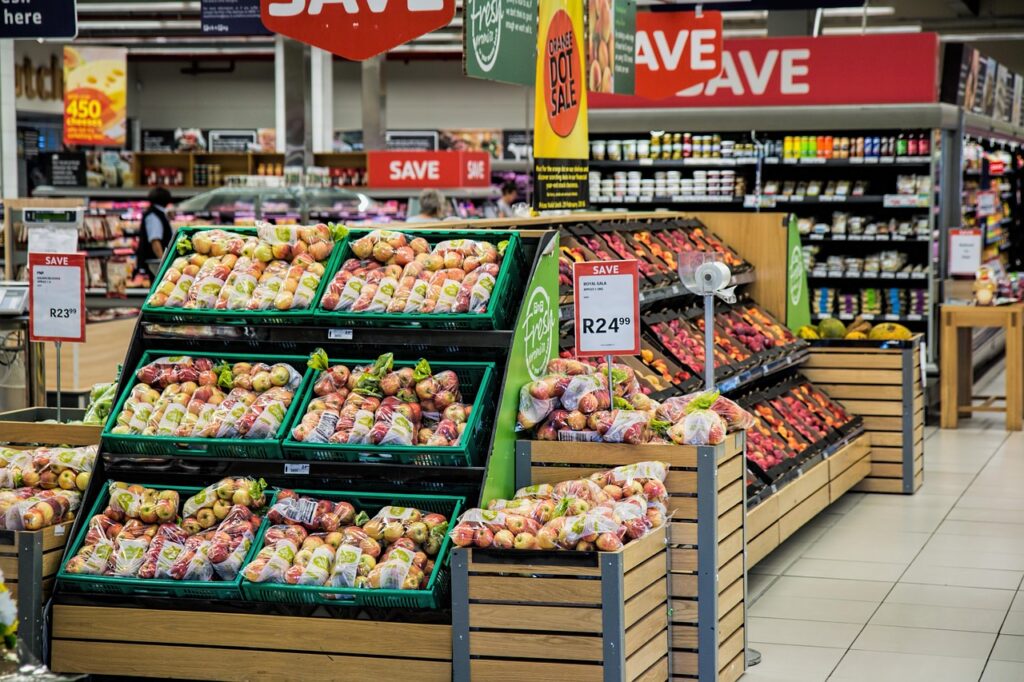
Filling a store with too many products or displays can quickly lead to a cluttered and overwhelming environment. This not only makes navigation difficult but also reduces the impact of key items. When the space feels crowded, customers may lose interest or feel uncomfortable staying longer.
A clean, organized layout allows products to stand out and gives shoppers room to move freely. Leave enough space between displays to maintain visual clarity and support better browsing. By focusing on quality placement instead of quantity, the store feels more inviting and easier to explore.
B. Ignoring Customer Flow and Traffic Patterns
Overlooking how customers move through the store can negatively impact their experience. A layout that feels confusing, restrictive, or difficult to navigate often leads to frustration and shorter visits. When shoppers can’t move comfortably, they’re less likely to explore or make a purchase.
Understanding natural traffic patterns is essential. Design the space to guide movement smoothly, without creating dead ends or tight turns. A well-thought-out flow keeps visitors engaged and makes the store feel more open, inviting, and easy to browse.
6. Conclusion: Leveraging Psychology for a Profitable Retail Strategy
The design of a store is more than a visual arrangement, it is a strategic tool that shapes how customers think, feel, and act within the space. Every element, from the layout and lighting to signage and product placement, contributes to the overall experience. When these components are planned with purpose, they create an environment that supports comfort, encourages exploration, and increases engagement.
By understanding the store layout psychology behind customer behavior, retailers can design spaces that feel intuitive and welcoming. A thoughtful layout improves navigation, highlights key products, and builds emotional connections. It allows customers to move freely, discover new items, and enjoy the journey from entry to checkout.
Maximizing customer engagement starts with creating a space that feels clear, comfortable, and aligned with the brand. When a store layout reflects customer needs and expectations, it not only improves sales but also strengthens loyalty and builds a lasting impression.