
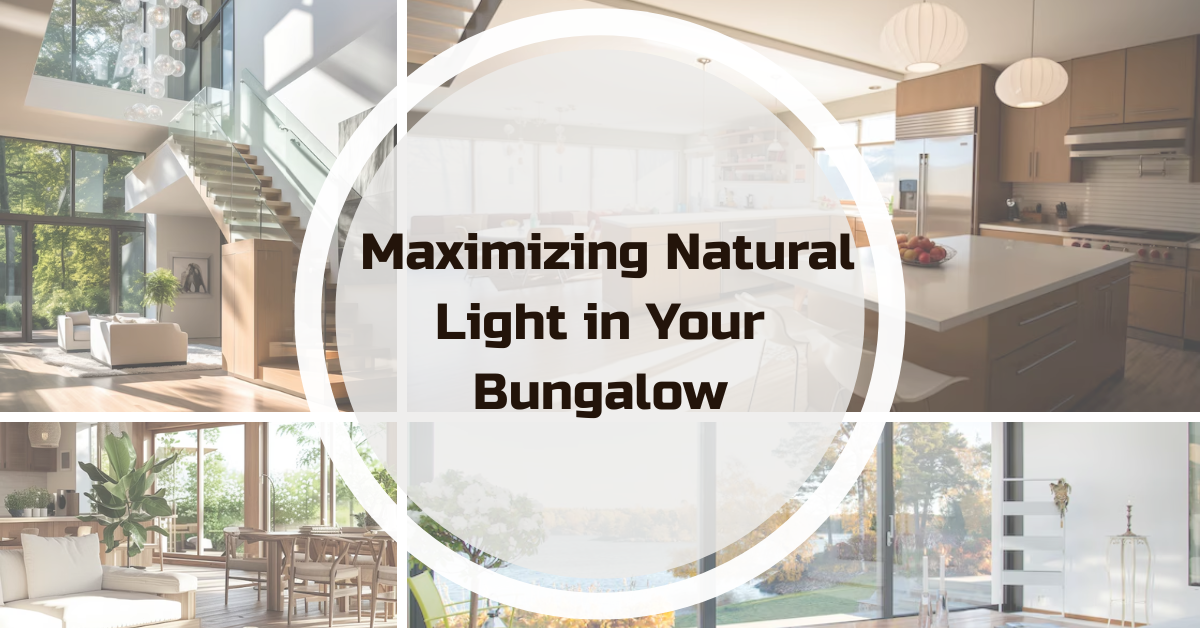
When you think of bungalow architecture, what comes to mind? Low, sprawling structures, cozy living spaces, and an inviting, open feel. But one of the often-overlooked elements that make bungalows feel like home is the use of natural light.
Natural light plays a critical role in shaping the character and functionality of bungalow homes. It not only enhances the aesthetics and ambiance but also contributes to energy efficiency, mental well-being, and the overall sustainability of the home. With the right approach, a bungalow can maximize its exposure to natural light, creating a space that feels bright, airy, and connected to the outdoors.
In this blog, we’ll explore the importance of natural light in bungalow architecture and provide some tips and strategies to enhance the flow of natural light in your bungalow design.
Outline:
- Understanding Natural Light in Bungalow Architecture
- What is natural light?
- Why is natural light important in bungalow architecture?
- The Benefits of Natural Light in Bungalows
- Aesthetic appeal and ambiance
- Health benefits and well-being
- Energy efficiency and sustainability
- Design Strategies for Maximizing Natural Light
- Strategic window placement
- Open floor plans and light flow
- Incorporating skylights and glass doors
- Using reflective surfaces and light-colored materials
- Challenges of Incorporating Natural Light in Bungalows
- Dealing with limited space and layouts
- Privacy concerns
- Weather and climate considerations
- Case Studies and Examples of Bungalows with Excellent Natural Light
- Examples of well-designed bungalows
- How architects have utilized natural light creatively
- Conclusion
- Emphasizing the importance of natural light in bungalow design
- Final thoughts on designing a light-filled home
1. Understanding Natural Light in Bungalow Architecture
- What is Natural Light?
Natural light refers to the light that comes from the sun and is filtered into a space through windows, doors, skylights, and other openings. Unlike artificial lighting, which is man-made, natural light offers a sense of connection to the environment and the changing world outside.
In bungalow architecture, the use of natural light is fundamental because these homes are often designed with open layouts that prioritize interaction with the surroundings. Natural light brings a sense of openness and freedom to the interior spaces, making them feel larger and more inviting.
- Why is Natural Light Important in Bungalow Architecture?
Natural light plays several vital roles in bungalow architecture. First, it has a direct impact on the home’s aesthetic quality, creating a vibrant and welcoming atmosphere. Second, natural light can help improve energy efficiency by reducing the need for artificial lighting during the day. And perhaps most importantly, natural light contributes to the overall well-being of the occupants, helping to regulate sleep cycles, boost mood, and improve productivity.
The role of natural light in bungalow architecture is particularly significant because bungalows are typically single-story homes that focus on a seamless connection between the indoors and the outdoors. Maximizing natural light is essential for creating a comfortable and healthy living environment.
2. The Benefits of Natural Light in Bungalows
- Aesthetic Appeal and Ambiance
One of the most obvious benefits of natural light in bungalow architecture is its impact on the aesthetic appeal of a home. Well-lit spaces feel more open and inviting, and the play of sunlight and shadows throughout the day adds a dynamic visual element to rooms. Bungalows, with their open floor plans and expansive windows, benefit greatly from this influx of light, which highlights architectural features such as exposed beams, wooden floors, and vaulted ceilings.
Natural light also contributes to the mood of the space. Rooms bathed in sunlight create a warm, pleasant atmosphere, while the soft, diffused light can make a bungalow feel calm and relaxing. The way natural light interacts with the materials and colors in the home can set the tone for the entire interior design.
- Health Benefits and Well-Being
Natural light is essential for our health and well-being. Exposure to natural light helps regulate our circadian rhythms, which influence sleep patterns and overall energy levels. In addition, sunlight is a natural source of vitamin D, which is important for bone health and immune function.
For bungalow inhabitants, incorporating plenty of natural light can help improve mood, reduce stress, and enhance overall quality of life. After all, who doesn’t feel more energized and content when surrounded by sunlight?
- Energy Efficiency and Sustainability
A major advantage of maximizing natural light in bungalow architecture is the positive impact on energy efficiency. By incorporating more natural light into the design, homeowners can reduce their reliance on artificial lighting, particularly during the daytime. This can lead to lower electricity bills and a smaller carbon footprint.
Moreover, using natural light as a primary source of illumination can reduce the need for electrical lighting, which is a sustainable approach to living. In climates with abundant sunlight, strategic use of natural light can make a bungalow more energy-efficient and environmentally friendly.
3. Design Strategies for Maximizing Natural Light
To take full advantage of natural light in bungalow architecture, it’s essential to plan and design the home thoughtfully. Below are some effective strategies to maximize the flow of natural light in your bungalow:
- Strategic Window Placement
The placement and size of windows play a significant role in how much natural light enters the home. In bungalows, large windows on the exterior walls are key to capturing as much light as possible. Windows should be positioned to allow sunlight to reach every room, especially the living areas where people spend the most time.
For maximum light, consider adding windows that face east or west to capture the morning and evening sun. Also, floor-to-ceiling windows or glass doors can open the space and provide unobstructed views of the outdoors, allowing light to flow freely into the interior.
- Open Floor Plans and Light Flow
Open floor plans are a signature feature of bungalow architecture and are ideal for maximizing natural light. The absence of walls and barriers allows sunlight to move freely through the home, creating a light-filled and airy atmosphere. Additionally, an open layout enhances the connection between the indoors and outdoors, making it easier to bring the natural surroundings into the living space.
Consider integrating the kitchen, living, and dining areas into one expansive space to allow light to flow from one area to another. This layout ensures that every room benefits from ample sunlight.
- Incorporating Skylights and Glass Doors
Skylights are an excellent way to bring natural light into areas of the bungalow that might not have access to exterior walls. Installing skylights in hallways, bathrooms, or even the kitchen can significantly increase the amount of natural light in these rooms.
Glass doors, especially sliding or French doors, are also highly effective in allowing natural light to penetrate deeper into the home. These doors open up the space to the outdoors, inviting more light while also providing easy access to patios, gardens, or verandas.
- Using Reflective Surfaces and Light-Colored Materials
Reflective surfaces can help amplify the natural light in a bungalow. Light-colored walls, ceilings, and floors reflect sunlight, helping it spread further throughout the room. Consider using light-colored materials like white, beige, or soft pastels for your interior finishes.
Mirrors, glass, and polished stone are excellent materials for increasing the natural light in a room. A strategically placed mirror can reflect light and make the space feel brighter, even in areas that don’t have direct access to windows.
4. Challenges of Incorporating Natural Light in Bungalows
While natural light offers many benefits, there are some challenges to consider when incorporating it into bungalow architecture.
- Dealing with Limited Space and Layouts
Many bungalows are compact, which can make it challenging to fit large windows without sacrificing privacy or interior space. In these cases, it’s important to think creatively about window placement and size. Opting for skylights or light wells can be a smart solution for smaller rooms that don’t have access to exterior walls.
- Privacy Concerns
One concern when maximizing natural light is maintaining privacy. Large windows or glass doors may expose interior spaces to the outside world. Consider adding frosted glass, window treatments, or strategic landscaping to maintain privacy while still allowing natural light to enter.
- Weather and Climate Considerations
Climate can also impact the amount of natural light available. In regions with frequent rain or overcast weather, it might be harder to rely on natural light for much of the day. However, with the right combination of window placement and design strategies, even these climates can benefit from natural light.
5. Case Studies and Examples of Bungalows with Excellent Natural Light
Many bungalow designs throughout history have skillfully incorporated natural light into their architecture. For example, classic American Craftsman bungalows often featured wide overhangs and open floor plans that let in an abundance of light. Similarly, modern bungalows with contemporary designs use large windows and glass walls to bring the outdoors inside.
Some of the most successful examples of bungalow designs with great natural light use a combination of architectural elements like clerestory windows, sliding doors, and skylights. These features enhance the beauty of the home while making it more energy-efficient and sustainable.
6. Conclusion
Natural light plays an integral role in bungalow architecture, shaping both the aesthetic appeal and functionality of the home. By strategically incorporating windows, open floor plans, skylights, and reflective surfaces, you can ensure that your bungalow is filled with warmth and light all day long.
Maximizing natural light not only improves the beauty of your home but also enhances your health, well-being, and energy efficiency. If you’re planning a bungalow renovation or building from scratch, consider the importance of natural light in your design, and make choices that will create a bright, welcoming, and sustainable home for years to come.
So, let the sun shine in and transform your bungalow into a beautiful, light-filled sanctuary!