
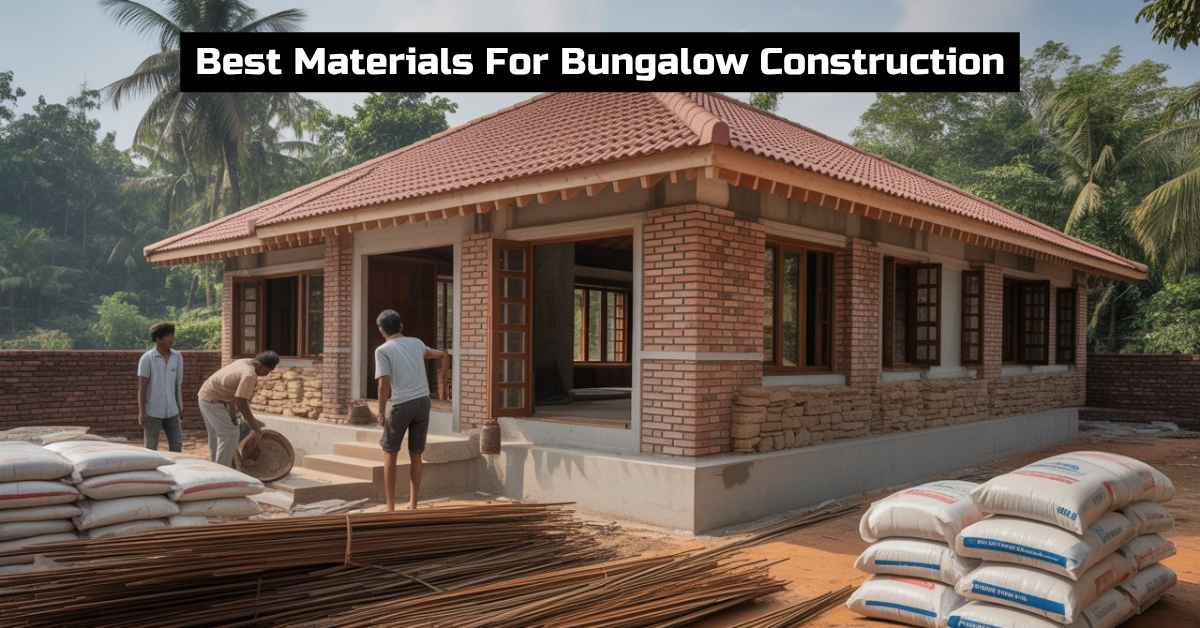
Building a bungalow is not just about constructing a house; it’s about creating a comfortable, durable, and aesthetically pleasing space. Whether you’re embarking on a new bungalow project or renovating an old one, choosing the right construction materials is crucial. In India, where climate conditions, local materials, and traditional architectural styles vary greatly, selecting the ideal materials for your bungalow is a big decision.
The choice of materials will impact the overall durability, energy efficiency, aesthetics, and maintenance of your bungalow. The best materials for bungalow construction in India are those that suit the local environment, are cost-effective, and provide long-term value. With the right materials, you can ensure your bungalow stands strong for years to come.
In this blog, we will dive into the best materials for bungalow construction in India, considering their pros and cons, and helping you make informed decisions for your project.
Outline
- Why Choosing the Right Material is Crucial
- Factors to consider
- Climate
- Durability
- Maintenance
- Aesthetic Appeal
- The impact on construction quality and long-term sustainability
- Factors to consider
- Best Materials for Bungalow Foundations
- Concrete
- Stone
- Steel Reinforced Concrete
- Best Materials for Bungalow Walls
- Brick
- Concrete Blocks
- Autoclaved Aerated Concrete (AAC) Blocks
- Wood
- Best Materials for Bungalow Roofing
- Concrete Roof Slabs
- Metal Roofing
- Clay Tiles
- Green Roofs
- Best Materials for Bungalow Flooring
- Ceramic and Porcelain Tiles
- Marble
- Wood
- Vinyl
- Best Materials for Doors and Windows
- Wood
- uPVC
- Aluminium
- Best Materials for Bungalow Interior Finishing
- Paint
- Wallpaper
- Stone and Tiles
- Conclusion
- Recap of key materials
- Final thoughts on building a sustainable bungalow
1. Why Choosing the Right Material is Crucial
When embarking on a bungalow construction project, one of the first decisions you’ll face is selecting the right materials. The materials you choose will directly affect the aesthetic appeal, durability, and energy efficiency of your bungalow. Here are some factors to consider when choosing materials:
Factors to Consider
- Climate: India’s diverse climates demand different approaches to building materials. In hot and humid regions like Kerala, materials that provide natural insulation are ideal. On the other hand, areas with cold weather conditions, like parts of northern India, require materials that retain heat.
- Durability: The longevity of your construction depends largely on the materials used. Look for materials that are resistant to weather conditions, pests, and decay.
- Maintenance: Some materials require more maintenance than others. It’s important to choose materials that are easy to maintain and won’t deteriorate quickly.
- Aesthetic Appeal: Materials should also align with the design and style of your bungalow. Whether you’re going for a traditional or modern look, your choice of materials will play a significant role in the overall aesthetic.
The Impact on Construction Quality and Long-Term Sustainability
The right materials also contribute to the overall sustainability of your bungalow. Eco-friendly and energy-efficient materials can reduce your carbon footprint, lower utility bills, and increase the overall value of your property. Choosing the wrong materials, however, may lead to costly repairs and poor energy efficiency in the long run.
2. Best Materials for Bungalow Foundations
Concrete
Concrete is one of the most commonly used materials for bungalow foundations. It’s durable, strong, and affordable, making it a go-to option for most construction projects. Concrete foundations are resistant to shifting, cracking, and water damage, which makes them ideal for the varying climates across India.
Stones
Stone foundations are often used in areas where the soil is unstable or prone to flooding. Stone is highly durable and resistant to erosion. However, stone foundations can be costly and require expert construction, especially when it comes to sourcing high-quality materials.
Steel Reinforced Concrete
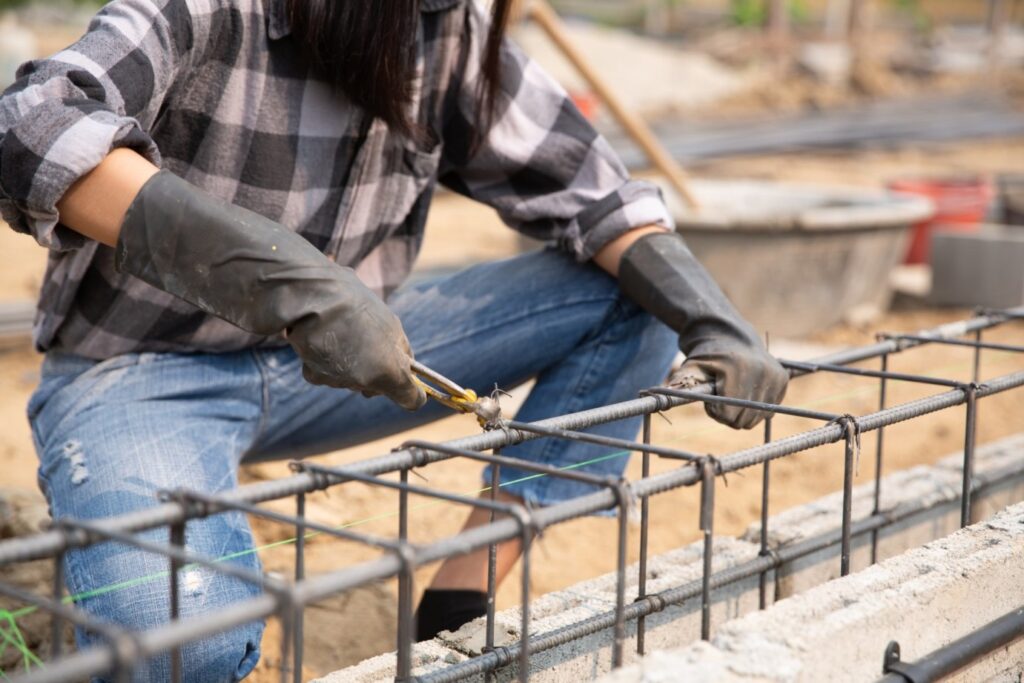
Steel-reinforced concrete combines the strength of concrete with the flexibility of steel, making it even more durable. This material is ideal for areas prone to earthquakes or heavy rains, as it can withstand stress and pressure better than traditional concrete.
3. Best Materials for Bungalow Walls
Brick
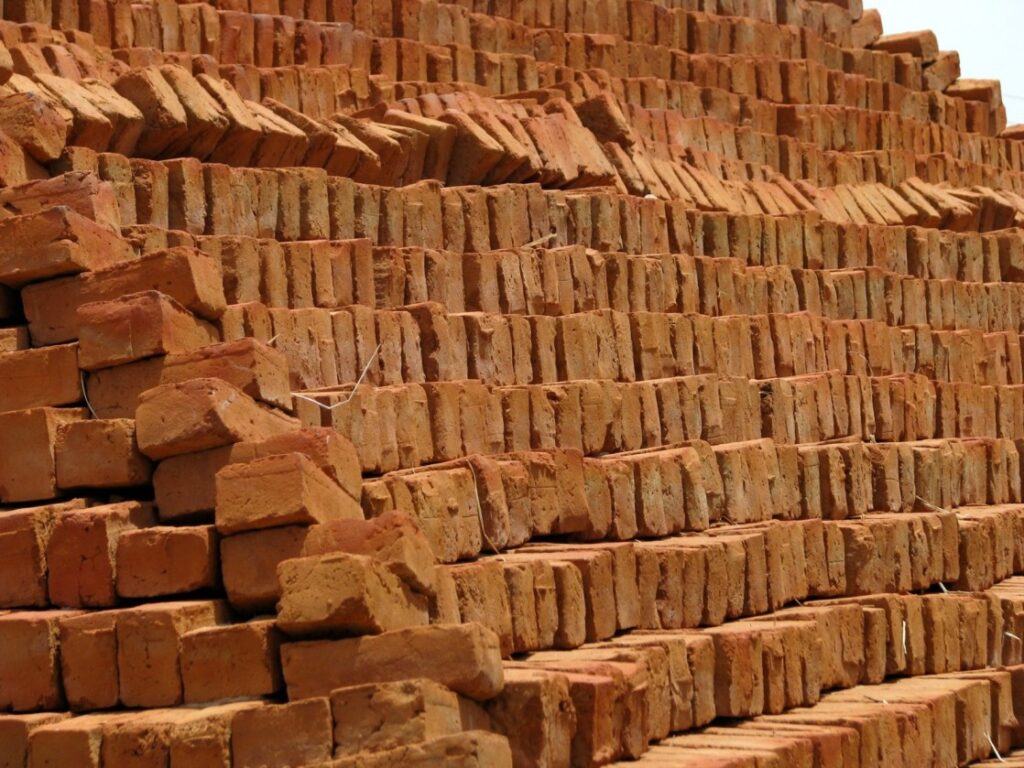
Bricks are one of the most popular choices for bungalow walls in India. They are cost-effective, widely available, and provide excellent insulation, keeping interiors cool in the summer and warm in the winter. Bricks also have a classic appeal and are often used for both exterior and interior walls.
Concrete Blocks

Concrete blocks are another popular material for constructing walls. These blocks are larger than traditional bricks, which makes them faster to lay. Concrete blocks also offer greater insulation properties and are durable in the long term. They are ideal for both load-bearing and non-load-bearing walls.
Autoclaved Aerated Concrete (AAC) Blocks
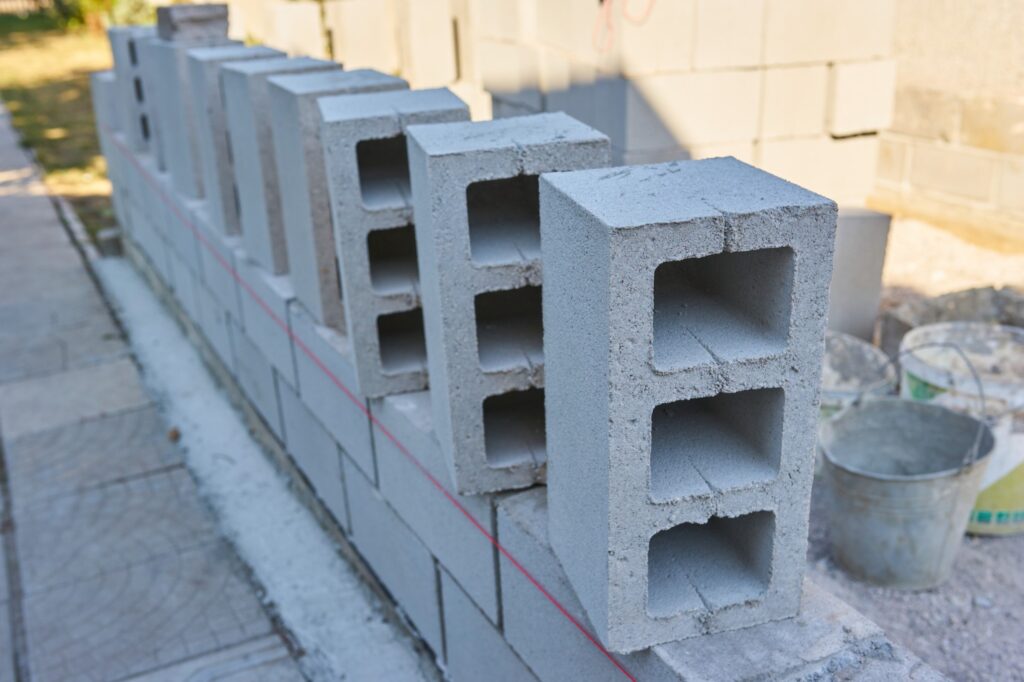
AAC blocks are an eco-friendly alternative to traditional brick and concrete blocks. These blocks are lightweight, durable, and provide excellent thermal insulation. AAC blocks are resistant to fire and moisture, making them ideal for bungalow construction, especially in areas with high humidity or extreme temperatures.
Wood
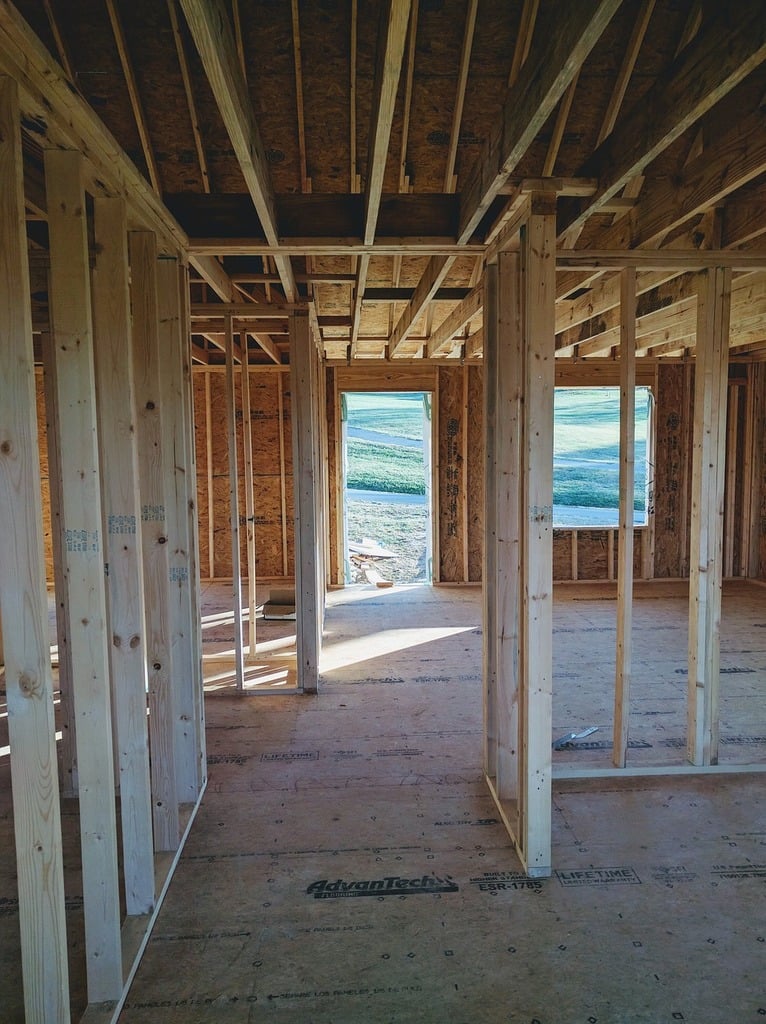
Wooden walls are often used for decorative purposes, especially in traditional bungalows. Wood provides a natural aesthetic and is great for creating cozy, warm interiors. However, wooden walls require regular maintenance to prevent decay and pest infestation.
4. Best Materials for Bungalow Roofing
Concrete Roof Slabs
Concrete roof slabs are a common choice for bungalow roofs due to their strength and durability. This provides a solid and long-lasting roofing solution that can withstand extreme weather conditions. It also provides excellent insulation, helping to keep your bungalow cool in the summer.
Metal Roofing
Metal roofing, especially made from galvanized steel or aluminum, is gaining popularity in modern bungalow designs. It’s lightweight, highly durable, and resistant to rust and corrosion. Metal roofs can also reflect heat, making them ideal for hot climates like those in much of India.
Clay Tiles
Clay tiles are often used in traditional bungalow designs, especially in southern and western India. They provide an aesthetically pleasing look and are naturally resistant to heat. Clay tiles also have good insulation properties, keeping interiors cool during the hot summer months.
Green Roofs
Green roofs are an innovative solution for eco-conscious bungalow owners. These roofs are covered with plants and vegetation, which help reduce heat and improve air quality. Green roofs also provide insulation, making them energy-efficient and environmentally friendly.
5. Best Materials for Bungalow Flooring
Ceramic and Porcelain Tiles
Ceramic and porcelain tiles are among the most popular choices for bungalow flooring due to their durability, ease of maintenance, and aesthetic versatility. Available in a wide range of colors and patterns, these tiles are perfect for both interior and exterior use.
Marble
Marble is a classic choice for flooring in luxury bungalows. Known for its elegance and timeless appeal, marble is a durable and heat-resistant material that adds a touch of luxury to your space. However, it requires regular maintenance to keep it looking pristine.
Wood
Wooden flooring adds warmth and character to your bungalow. It’s ideal for living rooms, bedrooms, and even hallways. Wooden floors can be quite expensive but offer a cozy and sophisticated look. Additionally, they are highly durable when properly maintained.
Vinyl
Vinyl flooring is a budget-friendly option that offers a variety of textures and finishes. It’s water-resistant, easy to clean, and can mimic the look of wood or tile. Vinyl is a practical choice for areas like kitchens and bathrooms, where moisture resistance is essential.
6. Best Materials for Doors and Windows
Wood
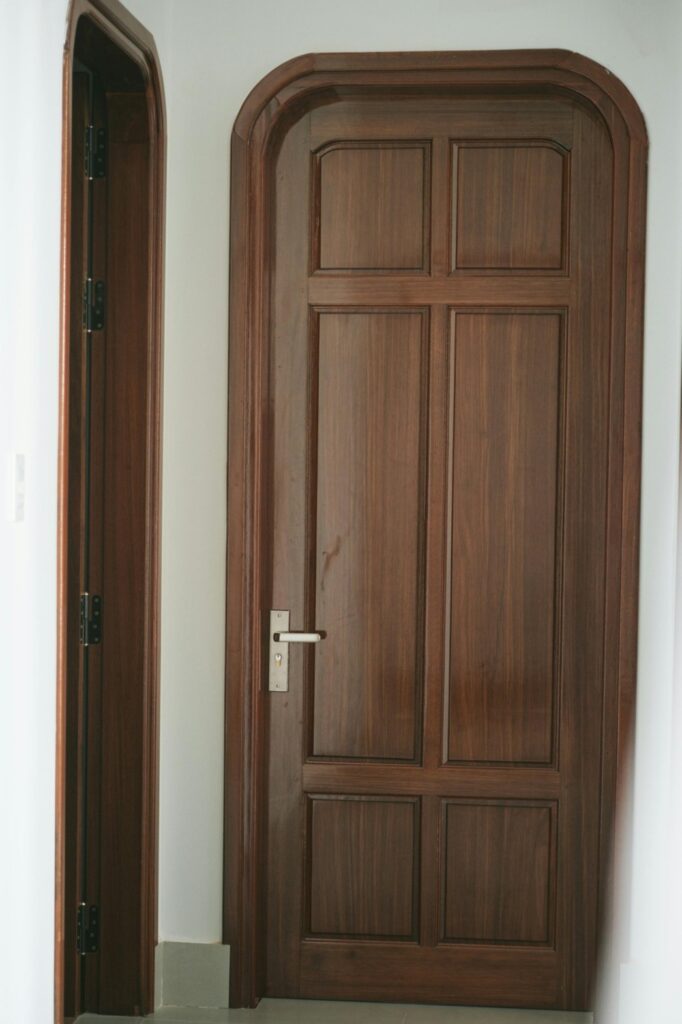
Wooden doors and windows provide a traditional aesthetic and can add warmth and charm to your bungalow. They are available in a variety of finishes and can be customized to suit your design preferences. However, wooden doors and windows require regular maintenance to prevent damage from pests and moisture.
uPVC
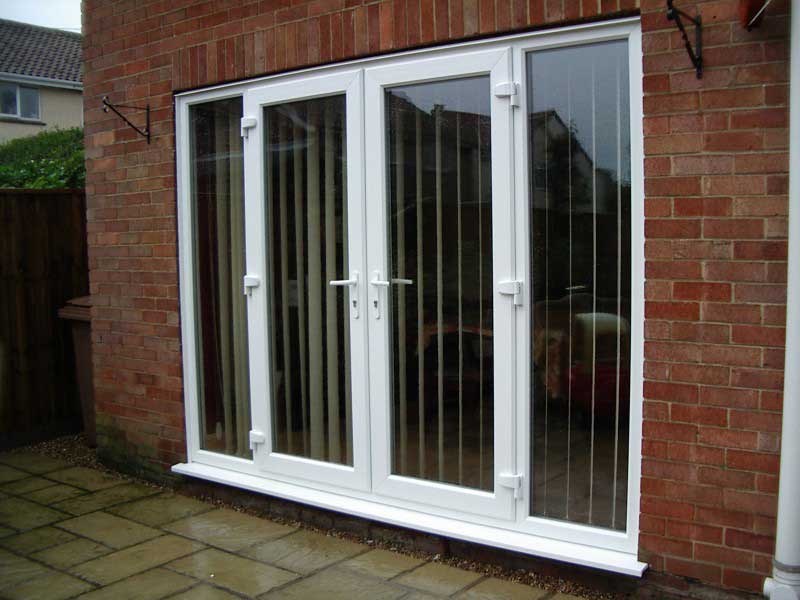
uPVC (unplasticized polyvinyl chloride) doors and windows are a popular choice in modern bungalows. These materials are durable, low-maintenance, and resistant to moisture and insects. They also provide excellent insulation, helping to regulate the temperature inside your home.
Aluminium
Aluminium is a strong and lightweight material that is perfect for doors and windows. It is corrosion-resistant, low-maintenance, and durable. Aluminium doors and windows offer a modern, sleek look and are ideal for bungalows in areas with high humidity or coastal climates.
7. Best Materials for Bungalow Interior Finishing
Paint
High-quality paint is essential for finishing your bungalow interiors. Paint not only adds color to your walls but also acts as a protective layer. Choose eco-friendly paints with low VOC content for a healthier living environment.
Wallpaper
Wallpaper is another option for interior finishes, especially if you want to add texture or intricate patterns to your walls. It’s available in a wide range of styles and is easy to install and maintain.
Stone and Tiles
For a more luxurious feel, stone and tiles can be used as finishes for interior walls. These materials provide a premium look and are often used in kitchens, bathrooms, and living areas.
8. Conclusion
Choosing the best materials for your bungalow construction in India is crucial to ensuring a durable, beautiful, and comfortable living space. From foundation to finish, the materials you select will affect the overall aesthetics, energy efficiency, and long-term sustainability of your home. Be sure to consider the climate, maintenance, and cost factors when making your decisions.
By using the right materials and incorporating sustainable practices, you can create a bungalow that not only stands the test of time but also provides you with a comfortable and functional living environment.