
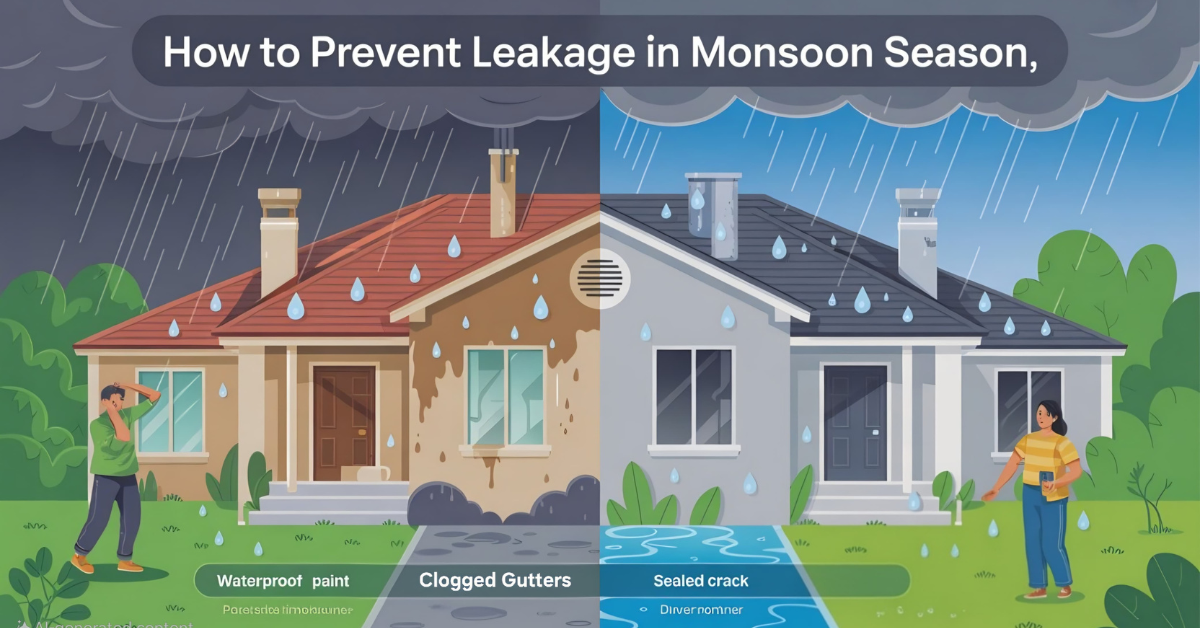
The arrival of monsoon season often brings with it an unwelcome threat of water leakage, which can quietly weaken your home’s structure and lead to costly repairs. Small cracks, poor drainage, and unnoticed damp spots, made worse by continuous rain, often turn into big problems over time. Taking proactive steps to prevent leakage in homes during monsoon helps maintain the strength, comfort, and safety of your living space.
When the right techniques and materials are used, monsoon-proof prevention becomes simple and effective. That protection starts with knowing where trouble usually begins. During the monsoons, areas like roof corners, window edges, wall joints, and plumbing lines are particularly vulnerable and often show early signs that are easy to miss. To prevent leakage in homes during monsoon, it is essential to focus on these common weak spots and address them before the rains begin.
If this sounds overwhelming, don’t worry, this guide breaks it down into simple, effective actions you can take with ease. From spotting early signs to using the right repair methods, each section will help you understand what to look for and how to act. With a few smart steps, you can prevent leakage in homes during monsoon, protect your home, and avoid long-term damage.
OUTLINE
- Understanding Monsoon Risks to Your Home
- Common areas vulnerable to water leakage
- Impact of monsoon on walls, roofs, and foundations
- Health risks associated with moisture and mold growth
- Pre-Monsoon Preparation Essentials
- Conducting thorough home inspections
- Repainting exterior walls with waterproof paints
- Cleaning and maintaining gutters and drainage systems
- Addressing Wall Leakage Problems
- Identify the Source
- External Wall Waterproofing
- Repair Cracks and Gaps
- Internal Wall Waterproofing
- Improve Ventilation
- Effective Waterproofing Strategies
- External Wall Waterproofing
- Waterproofing in Foundations and Basements
- Use of Waterproof Membranes
- Waterproof Concrete Additives
- Roof Leak Prevention and Repair
- Inspect Before the Monsoon
- Apply Roof Waterproofing Solutions
- Ensure Proper Drainage
- Seal Joints and Flashings
- Bathroom and Kitchen Waterproofing
- Under-tile Waterproofing
- Grouting and Sealing
- Waterproofing Around Plumbing Fixtures
- Post-Installation and Maintenance
- Regular Inspections
- Clean and Maintain Gutters
- Check for Paint Peeling or Bubbling
- Recoat Waterproofing Membranes
- Conclusion
1. Understanding Monsoon Risk to your Home
A. Common areas vulnerable to water leakage
Certain parts of the home are more likely to face leakage issues if not maintained properly. The roof is one of the first places to check. Small cracks or weak spots often allow water to pass through and cause internal damage. Window and door edges are also common entry points due to aging seals or poor installation. Foundation walls and basements can develop fine cracks that slowly let in moisture, especially when the ground around them remains damp for long periods.
Bathrooms are another area that needs attention. Loose tiles, damaged grout lines, and poorly sealed fixtures allow water to settle and spread. Under-sink plumbing is often overlooked, but loose joints or minor leaks here can lead to hidden dampness. To prevent leakage in homes during monsoon, it’s important to inspect these areas regularly and address any issues before the rains set in. Identifying and fixing these weak spots early helps avoid long-term structural problems.
B. Impact of monsoon on walls, roofs, and foundations
Heavy rainfall puts constant pressure on your home’s structure. Walls absorb moisture over time, causing paint to peel, bubble, or stain. If left unchecked, the plaster begins to weaken and break away. Roofs face direct exposure, leading to cracked shingles, displaced tiles, and gradual water entry. What starts as a small leak can result in major ceiling damage if ignored.
Water often collects around the base of the home, putting extra stress on the foundation. Over time, the soil becomes saturated, causing the foundation to shift or crack. This weakens the overall structure and leads to serious repair costs. Taking early steps to prevent leakage in homes during monsoon is key to protecting your home’s stability and avoiding long-term structural damage.
C. Health risks associated with moisture and mold growth
Moisture inside the home creates the perfect environment for mold to grow. It can start spreading within a day or two of dampness. Once it appears, it quickly moves across walls, ceilings, and hidden corners. This isn’t just a cleaning issue, it directly affects your health. Breathing in mold spores can cause coughing, throat irritation, and chest tightness. People with asthma may face stronger reactions and more frequent attacks. Even those without existing conditions may experience sneezing, itchy skin, and watery eyes.
Long-term exposure to mold can lead to serious health problems. Some types produce toxins that may affect the lungs or weaken the immune system. Children, older adults, and people with health issues are at greater risk. Taking steps to prevent leakage in homes during monsoon is essential for keeping indoor spaces dry and reducing the chances of mold growth. Stopping leaks early helps protect your family’s health and ensures a safer living environment.
2. Pre-Monsoon Preparation Essentials
A. Conducting thorough home inspections
A detailed home inspection is one of the most effective ways to prepare for the rainy season. Begin with the roof. Look for loose tiles, cracked shingles, or signs of wear. Even small gaps can let water in and cause major damage. Move on to windows and doors. Check the edges for signs of moisture or air leaks. Old or worn seals may no longer provide full protection.
Walls should be carefully examined too. Fine cracks may not look serious, but they can allow moisture to enter and spread. Paying close attention to these early signs helps you catch issues before they grow into costly repairs. A careful walkthrough of your home can make a big difference in keeping it dry and secure.
B. Repainting exterior walls with waterproof paints
Your exterior walls need proper protection to stay strong during the rainy season. Regular paint does not provide enough resistance. Moisture enters easily, causing peeling, surface cracks, and damp patches. Using waterproof paint with silicone-based additives creates a strong barrier that helps block water and resists fungus and UV damage.
Good surface preparation is essential. Remove old, damaged paint, fill all cracks with waterproof putty, and use a reliable water-resistant primer before applying the final coat. This process strengthens the wall and improves the paint’s durability. Areas that stay damp longer, such as north-facing walls, should be given extra attention or an extra coat to reduce the chance of seepage or mold. Proper repainting not only improves the look of your home but also helps prevent long-term moisture issues.
C. Cleaning and maintaining gutters and drainage systems
Blocked gutters can cause serious trouble during heavy rain. When water overflows, it may find its way into walls and damage the structure. Clean out dry leaves, dirt, and other debris at least twice before the rainy period starts. Use a hose to flush the gutters and check if water flows freely. Make sure downspouts direct water at least five to six feet away from your home’s foundation to prevent pooling near the base.
It’s also important to inspect the slope of your yard. Water should flow away from the walls, not collect near them. Even a gentle slope helps reduce the risk of leaks. A clean and efficient drainage system protects your home and saves you from costly repairs in the future.
3. Addressing Wall Leakage Problems
Wall leakage is a common issue during rainy months. It often shows up as damp spots, peeling paint, or a musty smell. These signs usually appear due to cracks, porous plaster, or hidden plumbing issues inside the walls.
A. Identify the Source
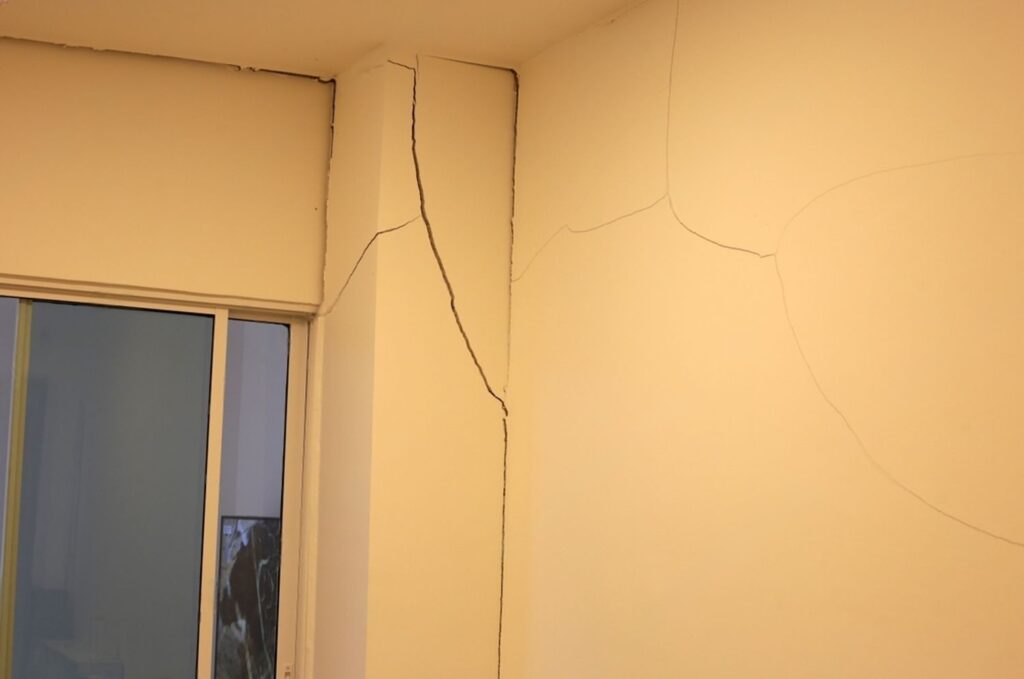
Fixing wall seepage starts with knowing where the moisture is coming from. It could enter from outside, leak from damaged pipes, or rise through the walls from below. A detailed check is important before applying any treatment. If the cause is not clear, use a moisture meter or get help from a professional to locate it. Identifying the source is the most important step in solving the problem. If this is not done correctly, any external or internal waterproofing efforts will be ineffective and short-lived.
B. External Wall Waterproofing
Stopping water at the source is the most effective approach. Waterproof the exterior walls using weather-resistant coatings that seal the surface and stop moisture from entering. Fix any cracks, gaps, or damaged plaster on the outer walls before applying the coating. Pay extra attention to corners, roof joints, and areas exposed to heavy rain.
C. Repair Cracks and Gaps
Even small cracks should not be ignored. For deeper or structural gaps, epoxy or polyurethane injections are useful. These materials seal the surface strongly and help prevent future leakage. For minor cracks, use flexible fillers that adjust to small movements in the wall and stay effective over time.
C. Internal Wall Waterproofing
Walls with past water damage need more than paint. Start by applying a waterproof primer or sealant to block moisture. In areas with ongoing dampness, such as basements or older parts of the house, consider adding waterproof plaster or membranes. These form a protective layer that keeps moisture from coming through again. However, internal wall waterproofing is secondary in most cases. External wall waterproofing plays a more crucial role in preventing seepage. It acts as the first line of defense against water entry. While internal treatment can be skipped in some situations, ignoring external waterproofing can lead to recurring damage and structural issues.
D. Improve Ventilation
Poor air movement increases dampness and mold. Allow fresh air to pass through by keeping windows and doors open when possible. Install exhaust fans in areas like kitchens and bathrooms to remove moist air quickly. In closed spaces, use dehumidifiers to lower humidity and help the walls dry faster after treatment.
4. Effective Waterproofing Strategies
Waterproofing is the first and most crucial line of defense against monsoon-related leaks. Proper waterproofing not only protects your home from immediate water damage but also helps preserve its long-term structural integrity.
A. External Wall Waterproofing
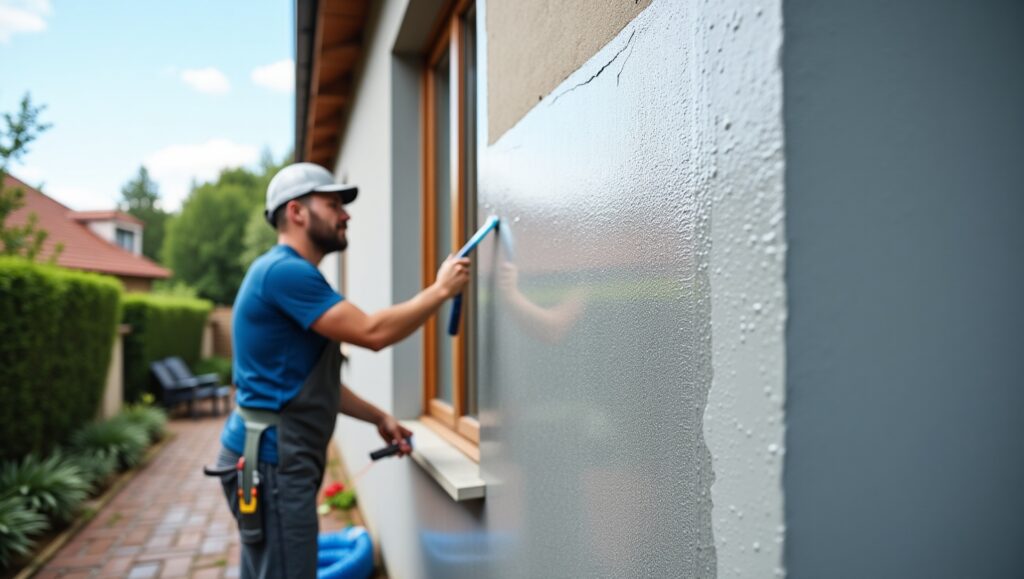
Outer walls face direct exposure to heavy rain, making them one of the first points of water entry. If not treated properly, moisture can pass through and create damp patches inside the house. To stop this, apply waterproof coatings designed for external use. Choose products that resist both water and sunlight. These coatings form a strong barrier on the wall surface, reducing the risk of seepage and helping the wall stay intact over time. Regular application and proper surface preparation improve durability and keep the structure protected throughout the season.
B. Waterproofing in Foundations and Basements
Basements and foundations are more likely to face water entry during heavy rain due to rising ground moisture. Protecting these areas is important to keep the structure stable and avoid long-term damage. Apply cement-based waterproofing compounds on inside surfaces and use bitumen-based sheets or membranes outside for added safety. Make sure the ground around the foundation slopes away from the building. A proper drainage setup helps guide water away, reducing the chance of cracks or movement in the base of the home. To prevent leakage in homes during monsoon, focusing on basement and foundation protection is essential for maintaining structural strength.
C. Use of Waterproof Membranes
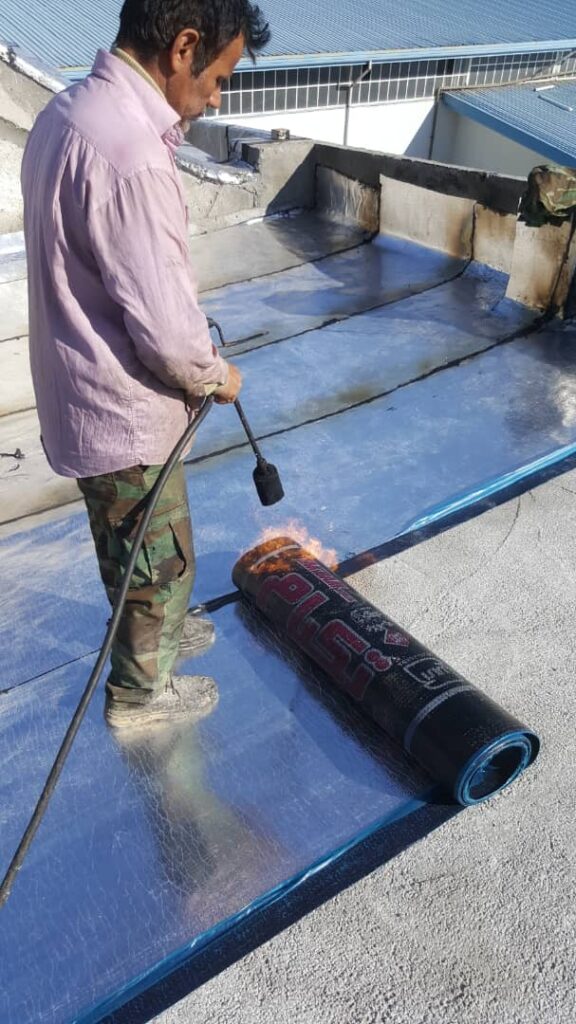
Flat areas like terraces, balconies, and podiums often collect water, increasing the chance of seepage. Applying waterproof membranes creates a smooth, flexible layer that blocks moisture. Liquid coatings or pre-formed bitumen sheets are effective for large surfaces and adapt well to surface movement. For added strength, these membranes can be combined with reinforcing mesh. Proper application helps protect these open spaces and extends the life of the surface below.
D. Waterproof Concrete Additives
In new construction, adding waterproofing admixtures to the concrete mix provides early-stage protection. These additives lower the concrete’s ability to absorb water, reducing the risk of internal moisture buildup. This method strengthens the structure from the start and helps avoid frequent surface repairs. It’s a simple step that supports long-term durability and improves the overall quality of the build.
5. Roof Leak Prevention and Repair
The roof faces constant exposure, making it one of the most likely places for water to enter. Even a small crack can lead to larger damage if ignored.
A. Inspect Before the Monsoon
Check your roof in advance to spot early signs of trouble. Look for cracked tiles, gaps, or loose sections. Focus on joints, vents, and drainage points. Early detection gives you time to fix issues before they turn into serious leaks.
B. Apply Roof Waterproofing Solutions
Use waterproof coatings like elastomeric or acrylic-based products. These create a strong, flexible layer that adapts to surface movement. They work well on both sloped and flat roofs. Some options also reflect heat, helping to control indoor temperatures.
C. Ensure Proper Drainage
Blocked drains hold water on the roof surface and increase the chance of leakage. Clean gutters, downpipes, and outlets regularly. Check for rust or loose joints and fix them quickly. Use covers or grilles to stop debris from clogging the flow. Make sure the roof surface slopes toward the drain to avoid standing water.
D. Seal Joints and Flashings
Joints around pipes, vents, and walls are common points where water enters. Apply PU sealants for a tight, weather-resistant seal. In wider gaps, add flashing tape for extra support. Check older seals often and replace damaged ones to maintain full protection.
6. Bathroom and Kitchen Waterproofing
Bathrooms and kitchens handle constant moisture, making them common sources of internal dampness. Strengthening these spaces with proper waterproofing helps prevent water from spreading into nearby areas and keeps the structure in good condition.
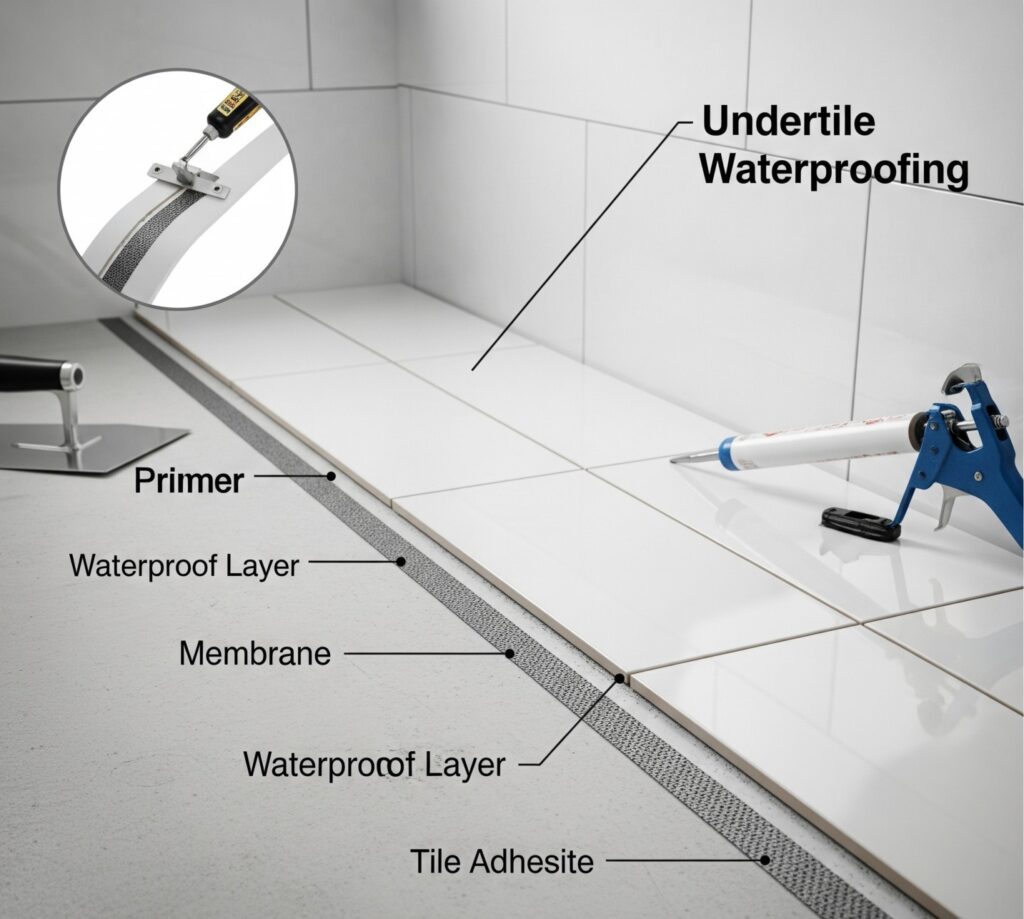
A. Under-tile Waterproofing
Before placing tiles, apply a liquid waterproofing layer on the floor and lower wall sections. This forms a barrier that stops water from soaking through the surface, even if joints develop cracks later. Areas like shower corners, under sinks, and near dishwashers benefit most from this protection. Without it, even minor leaks can travel underneath and weaken the structure.
B. Grouting and Sealing
Grout between tiles wears out with time. Cement-based grout often absorbs moisture and cracks. Switch to epoxy grout, which is strong, water-resistant, and easy to maintain. Reapply grout every few years to keep surfaces sealed. Clean the lines often to prevent dirt buildup that can break down the material.
C. Waterproofing Around Plumbing Fixtures
Leaks usually begin at plumbing joints. Apply waterproof silicone sealant around taps, basins, and drain openings. Check for loose fittings or slow leaks and fix them early. Even small drips under sinks can damage cabinets and floors if ignored. Regular inspection helps avoid costly repairs.
7. Post-Installation Maintenance
Waterproofing works best when supported by consistent maintenance. Routine checks help detect small issues before they grow into major problems.
A. Regular Inspections
Inspect key areas like the roof, bathrooms, basement, and outer walls at least once a year, especially before monsoon. Watch for cracks, stains, or dampness. Early action keeps the structure secure and prevents expensive repairs. Keep a record of inspections and fixes to track patterns or recurring damage.
B. Clean and Maintain Gutters
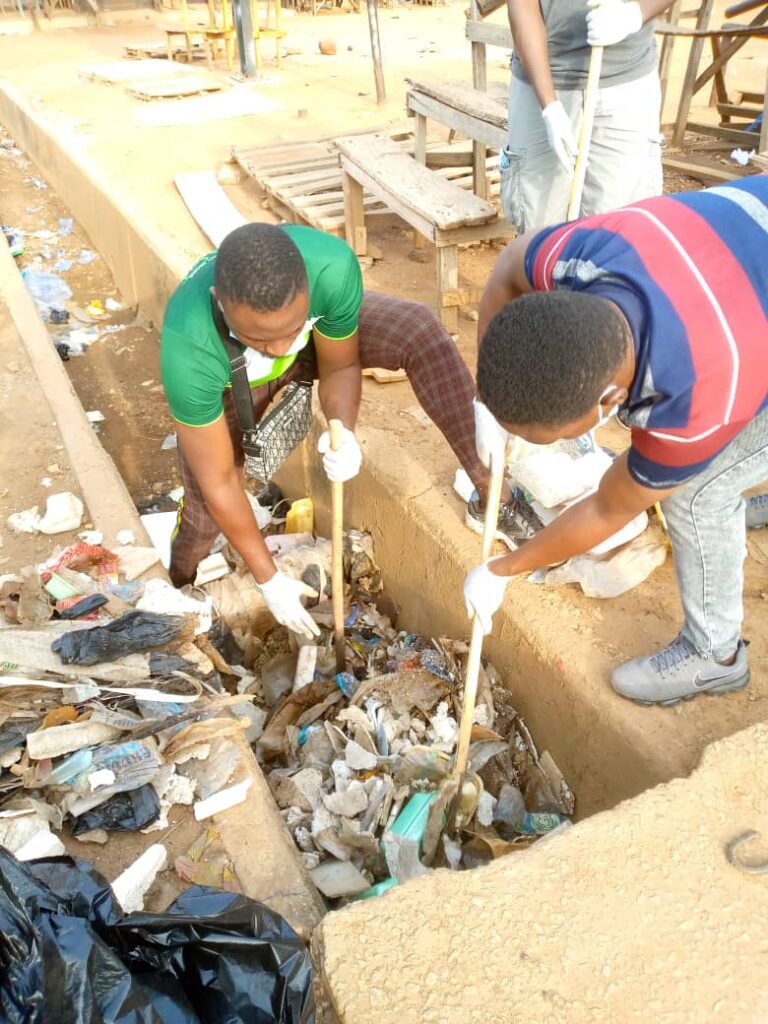
Blocked gutters lead to water buildup around walls and foundations. Clear them of leaves and debris, particularly before the rains. Ensure downspouts are working and water flows away from the building. Gutter guards can help reduce blockage and make upkeep easier.
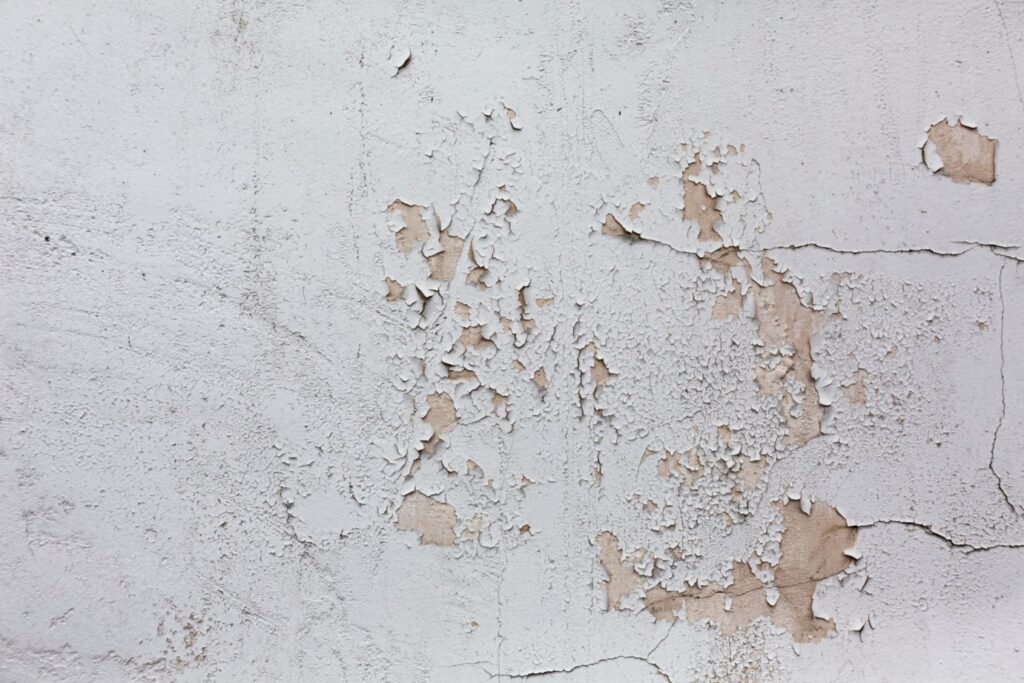
C. Check for Paint Peeling or Bubbling
Walls with peeling paint or bubbles under the surface may have hidden moisture. Remove the damaged layer, repair the base, and apply waterproof paint again. Treat these signs early to avoid mold and deeper structural issues.
D. Recoat Waterproofing Membranes
Over time, membranes lose their strength due to weather and aging. Most coatings need reapplication every few years. Inspect the surface condition regularly and recoat when needed to keep protection intact. Consult a professional to choose the right time and method.
Conclusion
Preventing your home from leakage during the monsoon starts with smart preparation and regular care. Simple actions like sealing cracks, checking drainage, and using quality waterproofing materials can make a big difference. Proper roof maintenance, clean gutters, and careful inspection of walls help stop problems before they grow. Paying attention to these details keeps your home strong, dry, and safe through heavy rains. With the right steps, you can face the season with confidence and peace of mind.
Don’t wait for the first leak to show up prepare your home for monsoon today!