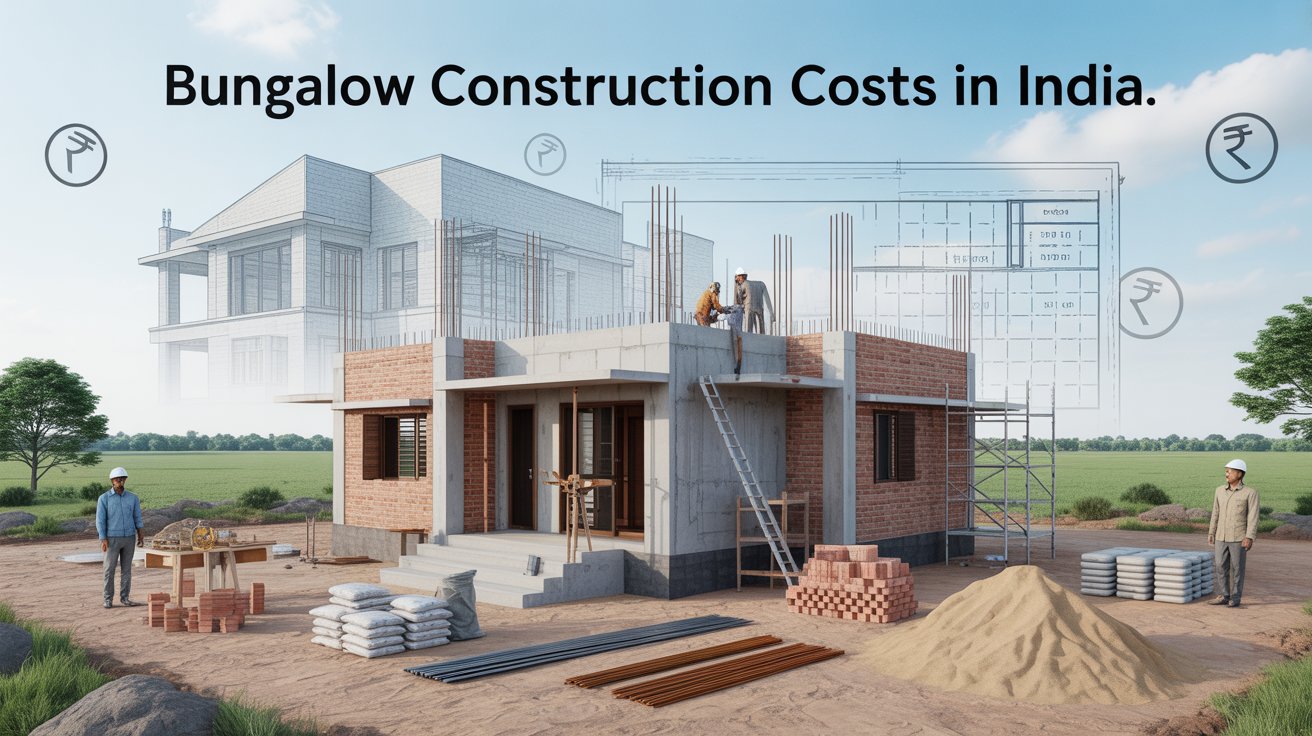
Building a bungalow in India requires careful planning and a clear understanding of the costs involved. From land purchase to material selection, each step influences the overall budget. Location, design, labour charges, and quality of materials play a major role in shaping the final expense. Knowing what drives the cost helps in making smart decisions and avoiding unexpected expenses. With the right approach, it is possible to build a home that meets your needs without going beyond your budget. Understanding the key cost factors is the first step toward a smooth and efficient construction process.
The total cost can vary based on plot size, layout, and the type of finishes selected. Core elements like the foundation, walls, and roofing create the basic structure, while interiors and external features increase the overall spend. Local market rates and availability of materials also influence pricing. To manage costs effectively, it’s important to use reliable materials, hire experienced professionals, and follow a detailed construction plan. Staying informed throughout the process allows for better budgeting and results in a durable, well-built home.
This blog breaks down the major elements that impact bungalow construction costs from buying land, selecting materials to hiring labor and handling additional expenses. With the right approach, you can estimate costs more accurately, reduce stress, and build a home that fits both your lifestyle and your budget.
Outline
- Understanding Bungalow Construction in India
- Growing Trends of Bungalows in India
- Factors Influencing Construction Costs
- Land Costs and Location Factors
- Urban vs. Rural Locations
- Land Size and Shape
- Material Costs for Bungalow Construction
- Common Building Materials
- Impact of Material Prices in 2025
- Costs of Labor and Skilled Workforce
- Labor Availability in Urban vs. Rural Areas
- Types of Labor Involved in Construction
- Design and Architectural Considerations
- Custom Design vs. Ready Plans
- Complexity and Aesthetic Choices
- Additional Costs in Bungalow Construction
- Permits and Legal Costs
- Utilities and Infrastructure
- Contingency Budgeting
- Conclusion: Planning for Bungalow Construction Costs in 2025
1. Understanding Bungalow Construction in India
Growing Trends of Bungalows in India
Bungalows in India are popular because they offer comfort, space, and flexibility. Earlier, they were mostly found in the suburbs, but now they are becoming common in cities too. As more people move into the middle class and earn better incomes, interest in bungalow-style homes has increased across different regions.
These homes are often seen as a sign of success and stability. They provide more room, personal space, and a closer link to nature compared to apartments, which can feel crowded and limited. Bungalows give homeowners the freedom to design their space in a way that suits their taste and daily needs. Many people choose to build homes with open yards, outdoor seating areas, and large, airy rooms that support both comfort and modern living. This growing preference reflects a shift toward better quality of life and long-term investment in family well-being.
Factors Influencing Construction Costs
Bungalow construction costs can differ widely depending on several key factors. These include the type of bungalow you plan to build whether it’s a simple structure or a high-end design, the location of the plot, the quality of materials, labor charges, and complexity of the overall design. In 2025, it’s also important to consider the impact of rising material prices due to inflation, along with the growing demand for eco-friendly and energy-efficient construction methods.
2. Land Costs and Location Factors
Urban vs. Rural Locations

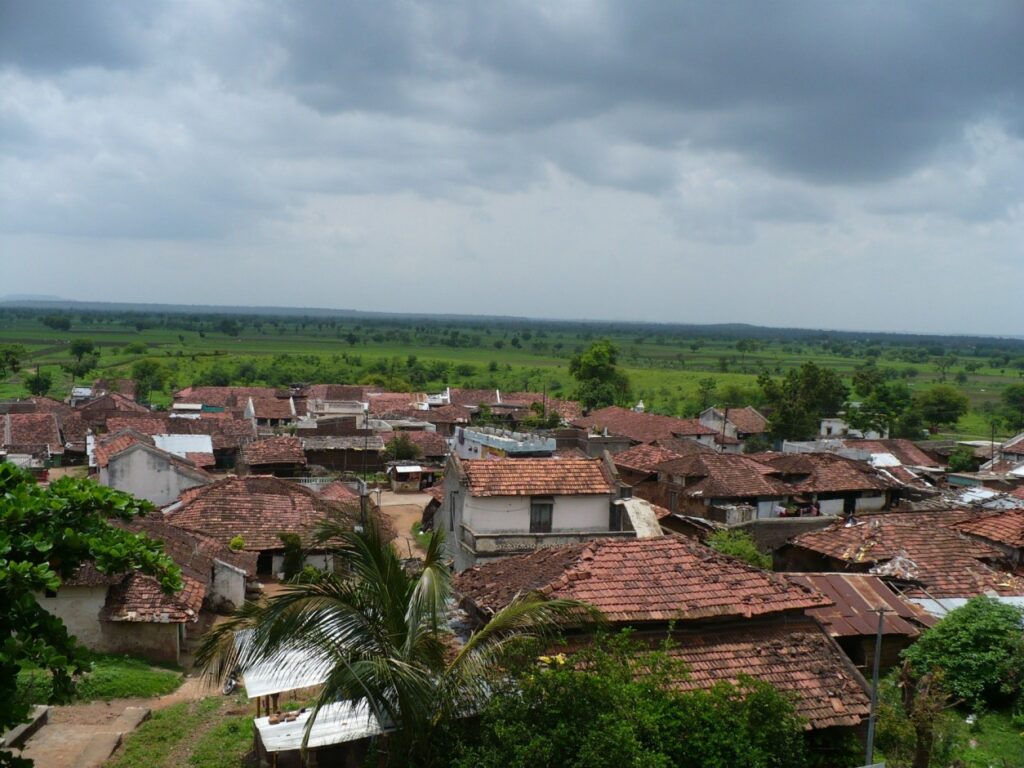
The location of your bungalow has a major impact on the overall construction cost. A major difference is seen between urban and rural areas. Land in big cities like Delhi, Mumbai, and Bengaluru is much more expensive due to high demand, limited space, and closeness to business zones. These costs often take up a large part of your budget. In contrast, land in smaller towns and villages is more affordable, making it easier for people with limited budgets to start building. Urban areas also have better infrastructure, roads, electricity, water, and drainage systems which reduces the need for extra setup. However, these benefits come at a higher price. Building in cities also requires going through more complex and often costly approval processes, which can be time-consuming and add to the total expense.
On the other hand, Rural areas usually have simpler and cheaper permit systems, but they often lack basic services. This means you may need to spend on things like borewells, septic tanks, or solar power systems. Transporting materials and finding skilled labor in remote regions can also be challenging, possibly causing delays and increasing costs. Labor is usually cheaper in villages, but the skill level may be lower, which can affect the quality of work. In cities, though labor and materials are costlier, they are easier to access, helping the project stay on schedule. Finally, urban properties generally offer better long-term value because of strong infrastructure and connectivity, while rural properties may take longer to appreciate in value.
Land Size and Shape
The size and shape of the land have a direct impact on the total cost of building a bungalow. A bigger plot gives you more space and design options, but it also increases construction expenses. More area using more materials, hiring additional labor, and spending more on features like landscaping, fencing, and utility connections. The shape of the land also matters. Regular plots, such as square or rectangular ones, are easier to design and build on, as they allow better space planning and simpler layouts. In contrast, irregularly shaped plots may need custom designs and adjustments, which can lead to higher architectural and construction costs.
The land’s topography plays a major role in overall expenses. Plots on uneven or sloped ground often require extra preparation before construction can begin. This involves leveling the surface, building retaining walls, or improving drainage systems. Such work increases the cost of laying a strong foundation and usually needs more materials and skilled labor. While larger or uniquely shaped plots may look attractive and offer creative design options, they often come with added costs. That’s why it’s important to assess the land carefully during the planning stage. Getting advice from an architect or structural engineer can help manage the design efficiently and keep the project within budget.
3. Material Costs for Bungalow Construction
Common Building Materials
The choice of building materials has a major effect on the total cost of constructing a bungalow. In India, materials like cement, steel, bricks, tiles, glass, and wood are commonly used. Each one plays a different role in the strength, look, and overall expense of the home. For instance, using top-quality tiles, fine wood, or imported glass can significantly increase the budget. On the other hand, choosing locally available materials can help reduce costs while still maintaining good quality. In recent years, many homeowners and builders have shown interest in using sustainable and energy-saving materials.
Options like fly ash bricks, recycled steel, bamboo, and eco-friendly insulation are becoming more popular. These materials are not only better for the environment but can also lead to long-term savings by lowering energy and maintenance costs. While they may cost more at the start, their durability and efficiency make them a smart choice for those planning for the future.
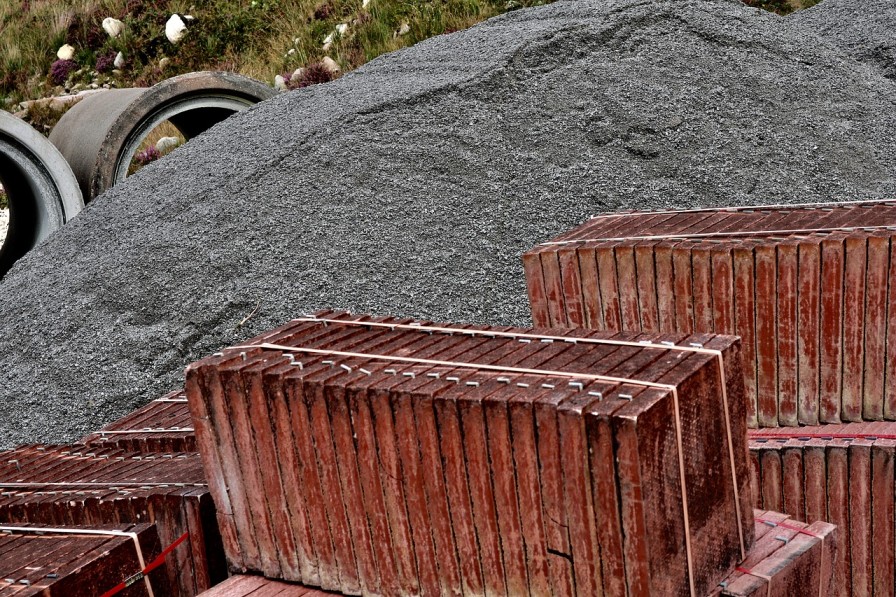
As of 2025, the cost of construction materials in India has seen a noticeable increase. Factors such as global supply chain disruptions, rising fuel costs, and increased demand for new housing and infrastructure have contributed to price volatility. Materials like cement and steel, which are essential for structural work, have experienced significant price fluctuations. These changes can greatly impact your construction budget, especially if the project is spread over several months. Therefore, it is crucial to monitor material prices and work closely with contractors or suppliers to lock in rates where possible. Choosing the right combination of traditional and modern materials based on availability, cost, and long-term performance can help you strike a balance between quality and affordability. A flexible approach to material selection, backed by expert advice, is key to managing construction costs effectively in today’s dynamic market.
Impact of Material Prices in 2025
In 2025, the construction industry may continue to face price fluctuations due to inflation, especially for materials sourced internationally. Global demand for raw materials like steel, glass, and cement, along with ongoing production and supply chain challenges, can contribute to rising costs. These trends may particularly impact large-scale or urban residential projects. However, prices could stabilize if governments introduce supportive policies aimed at reducing input costs or encouraging domestic production. Additionally, advancements in material science and the adoption of newer, more efficient production technologies may help control long-term price growth.
To manage construction costs effectively, selecting the right combination of materials is essential. For example, using cost-efficient yet durable options like concrete blocks or clay bricks can significantly reduce expenses without compromising on quality. Pairing these with locally sourced materials such as natural stone or timber not only supports the regional economy but also lowers transportation costs and enhances the home’s natural appeal. Prioritizing materials that are readily available and sustainable ensures both budget control and environmental responsibility. Ultimately, strategic choices in material selection can help you build a high-quality bungalow that balances aesthetics, durability, and affordability amid evolving market conditions.
4. Costs of Labor and Skilled Workforce
Labor Availability in Urban vs. Rural Areas
Labor costs in India’s construction industry vary significantly based on location, skill level, and project complexity. In urban centers like Mumbai, Delhi, and Bengaluru, skilled workers such as masons, carpenters, and electricians are more accessible but come at a premium. Skilled laborers in cities typically charge ₹700–₹1,500 per day, depending on experience and task, while unskilled labor costs around ₹500–₹700 per day.
In rural or semi-urban areas, labor is more affordable, with unskilled workers charging as low as ₹400–₹600 per day. However, finding trained professionals for specialized work like intricate tile laying, structural carpentry, or advanced electrical setups can be challenging. Builders may need to bring in skilled workers from cities, which increases costs due to travel, accommodation, and food allowances.
India’s growing demand for premium housing and custom-built homes has further increased the need for skilled labor. High-end bungalow projects, for example, often require detailed craftsmanship and precision, which raises labor expenses. In such cases, labor costs can account for 25% to 35% of the overall construction budget. To manage quality and efficiency, many urban contractors rely on dedicated labor teams or subcontractors. Meanwhile, government-backed skill development programs aim to improve labor availability across regions, but gaps still exist especially in rural zones. Understanding labor dynamics is crucial for budgeting and ensuring timely project execution.
Types of Labor Involved in Construction
A bungalow typically requires a diverse team of laborers to handle various stages of construction, from groundwork to final finishes. Each phase involves different skill sets, and the complexity of the design or materials used can influence both labor demand and cost. In urban areas, where the demand for experienced professionals is high, skilled workers charge a premium especially for work that involves intricate detailing or specialized installations.
Below are key categories of labor involved in bungalow construction:
- Site Preparation Workers
These workers handle the initial groundwork necessary for construction to begin. Tasks include clearing vegetation, debris removal, leveling the plot, and sometimes digging temporary drainage or fencing the area. Though usually unskilled, this stage is critical for safe and efficient progress. - Foundation Specialists
Skilled laborers manage excavation, laying of footing, rebar work, and concrete pouring. They ensure the base of the bungalow is stable and aligned with structural specifications. This team typically includes bar benders, concrete mixers, and formwork carpenters. - Masons
Masons construct the main structural elements such as walls, columns, arches, and tile work. Their skills range from basic bricklaying to advanced stone masonry and tile setting. For bungalows with unique facades, cladding, or pattern walls, experienced masons are crucial. - Carpenters
Carpenters handle both structural and interior woodwork such as roofing frames, door and window fittings, cabinetry, wardrobes, and modular kitchens. Specialized carpenters are also needed for intricate false ceilings or decorative wooden panels. - Electricians
Electricians install internal wiring, power outlets, distribution boards, and lighting fixtures. In high-end bungalows, they also integrate smart systems such as home automation, security systems, and solar panel connections requiring licensed professionals. - Plumbers
Plumbers manage the installation of water supply lines, drainage systems, bathroom fittings, and pressure pumps. Complexities like concealed piping, rainwater harvesting, or water treatment systems need well-trained personnel. - Painters and Finishers
These professionals handle wall preparation (putty, primer), painting (interior and exterior), and special finishes like textures, waterproof coatings, or stencils. High-end homes often demand precision painting, requiring experienced artisans. - Specialized Labor
As modern bungalows often include sustainable and tech-integrated features, there’s a rising demand for niche labor. This includes technicians for solar panel installation, green roofs, rainwater harvesting, smart lighting, and HVAC systems. Such workers have domain-specific training and generally command 20–40% higher rates than general labor.
5. Design and Architectural Considerations
Custom Design vs. Ready Plans
| Aspects | Custom Designs | Ready Plans |
| Definition | Unique architectural plans created specifically for your needs, preferences, and site. | Pre-designed layouts and elevations that are available off-the-shelf or from a catalog. |
| Personalization | Fully tailored to your lifestyle, taste, plot size, climate, and budget. | Limited customization options; mostly fixed designs. |
| Architecture Involvement | High involvement from architects and interior designers throughout the process. | Limited involvement may only need an engineer or builder for adaptations. |
| Design Flexibility | High flexibility everything from room layout to material selection can be customized. | Low flexibility major changes can disrupt the structure or aesthetics. |
| Uniqueness | One-of-a-kind home that reflects your personality and lifestyle. | Mass-market appeal others may have the same design. |
Complexity and Aesthetic Choices
The complexity of your bungalow’s design plays a major role in determining construction costs. Intricate architectural elements like high ceilings, custom-shaped windows, decorative moldings, or multi-level roofing require more materials, labor, and time, all of which drive up expenses. Similarly, choosing premium finishes such as marble flooring, designer lighting, or imported bathroom fixtures can significantly increase the overall budget. While these choices enhance the aesthetic appeal and long-term value of your home, it’s important to balance your design aspirations with your financial plan.
6. Additional Costs in Bungalow Construction
Permits and Legal Costs
Before beginning any construction project, it’s essential to account for the legal and regulatory expenses involved in getting your bungalow project approved. These costs are often underestimated, yet they are non-negotiable and can significantly impact your overall timeline and budget.
To legally proceed with construction, you must obtain several documents, including building permits, zoning clearances, land use approvals, and environmental impact assessments if your plot is near protected or sensitive zones. In urban areas, additional permissions may be needed from the municipal corporation, urban planning department, or heritage committees, depending on the location and scope of the project. In rural zones, you may need approval from the local panchayat or district planning office.
As of 2025, many local authorities have tightened regulations especially in ecologically sensitive regions, coastal areas, and rapidly urbanizing suburbs. These stricter guidelines often require additional paperwork, inspections, and time-consuming review processes. Costs vary by city and region, but they may include application fees, consultant fees, official documentation charges, and in some cases, land conversion costs if agricultural land is being repurposed for residential use. Hiring a local architect or legal consultant is highly recommended to navigate these procedures efficiently. They ensure that your construction is in full compliance with current laws, reducing the risk of penalties, project halts, or legal disputes later on.
Utilities and Infrastructure
Setting up essential utilities is a crucial yet often underestimated component of bungalow construction. These include water supply, electricity, sewage disposal, drainage, and internet connectivity all of which are necessary for modern living. While these services are usually easily accessible in urban and suburban locations, the situation becomes more complex in rural or remote areas. In cities, utility connections are typically provided by municipal authorities or private providers, and the process is relatively streamlined. You may only need to pay connection charges and service deposits. However, in less developed or off-grid locations, you may need to create infrastructure from scratch. This can involve installing a borewell or water tank, constructing septic tanks, laying independent electric poles or transformers, or subscribing to satellite internet services. These tasks not only increase the cost but also require technical planning and permits.
Working with local development authorities for approvals and inspections can take time. You may need clearances from bodies like the local panchayat, municipal corporation, water board, or electricity board, all of which can affect your project’s timeline and budget. Delays in paperwork, compliance requirements, or service backlogs can stall construction progress unexpectedly. To minimize risks and costs, it’s important to factor infrastructure planning into your initial budgeting and consult with professionals who are familiar with local regulations. A well-coordinated approach ensures timely access to essential utilities and avoids costly last-minute improvisations.
Contingency Budgeting
No matter how carefully you plan your bungalow construction, unexpected expenses often happen. That is why keeping a separate amount as a contingency budget is important. A good rule is to save 10–15% of your total cost to manage surprises during the project. This extra amount helps you deal with changes without stress.
Many things can affect Bungalow Construction Costs in India. One common reason is a sudden rise in material prices. Items like cement, steel, or tiles can become costly due to market changes, inflation, or supply issues. If you do not have a backup fund, your main budget may suffer, and you may need to reduce quality or change your design. Labor delays, strikes, or the lack of skilled workers can also slow down work or affect quality. Weather problems like heavy rain or heat can cause delays and add to your costs.
Even small changes, such as adding a window or changing wall designs, can raise expenses. These changes affect materials, labor, and permits. A proper contingency fund helps you manage such situations without panic. It lets you keep your quality and design choices while staying within your plan. This approach is helpful when dealing with changing Bungalow Construction Costs in India.
7. Conclusion: Planning for Bungalow Construction Costs in 2025
Building a bungalow in India in 2025 is an exciting prospect, but it requires careful planning, budgeting, and understanding of the factors that influence costs. From location and materials to labor and design choices, there are many aspects that can impact the final cost of construction.
As you embark on your bungalow construction project, it’s important to keep these considerations in mind and work closely with architects, contractors, and other professionals to ensure you get the best value for your investment. By understanding the factors that shape bungalow construction costs in India, you can make informed decisions that help you stay within your budget while still building your dream home.
Whether you’re building a simple bungalow or a luxurious retreat, 2025 promises to offer many exciting opportunities for homeowners in India.