In today’s competitive retail landscape, simply having great products isn’t enough to guarantee success. The way you design your retail store can significantly impact your sales and customer loyalty. A well-designed store does more than just showcase your products—it creates an immersive experience that draws customers in, keeps them engaged, and encourages them to make purchases.
Whether you’re starting a new retail business or looking to update your existing store, understanding how to design a retail space that boosts sales is crucial. From store layout to lighting and display techniques, every element plays a role in enhancing the shopping experience.
In this blog, we will dive into practical strategies and tips for designing a retail store that not only looks appealing but also helps boost sales and create a lasting impression on customers.
Outline
- Why Retail Store Design Matters for Sales
- The Impact of Store Design on Customer Behavior
- Creating a Memorable Experience
- Key Elements to Consider When Designing a Retail Store
- Store Layout and Flow
- Lighting and Ambiance
- Product Display Strategies
- Signage and Branding
- Designing Language
- How to Create an Engaging Customer Experience
- Interactive Displays and Technology
- Customer Journey Mapping
- Employee Interaction and Customer Service
- Tips for Enhancing Retail Store Design on a Budget
- DIY Design Ideas
- Cost-Effective Furniture and Fixtures
- Common Mistakes to Avoid in Retail Store Design
- Overcrowding and Clutter
- Ignoring Customer Comfort
- Conclusion: The Importance of Retail Store Design in Boosting Sales
1. Why Retail Store Design Matters for Sales
The Impact of Store Design on Customer Behavior
It’s no secret that store design can influence the purchasing decisions of customers. Studies have shown that customers are more likely to stay longer and make purchases in stores that are thoughtfully designed and well-organized. When customers feel comfortable, engaged, and inspired by the environment, they are more likely to browse, explore new products, and ultimately make a purchase.
A retail store’s design plays a psychological role in guiding customer behavior. The layout, lighting, and placement of products all contribute to how customers interact with your space. The more intuitive and seamless the shopping experience, the more likely customers will feel confident in their buying decisions.
Creating a Memorable Experience
In a world where customers are constantly bombarded with online shopping options, creating a memorable in-store experience is more important than ever. An aesthetically pleasing and strategically designed store encourages customers to return, and it gives them a reason to recommend your store to others. When customers enjoy their shopping experience, they become loyal patrons, which translates to higher sales and long-term success for your business.
2. Key Elements to Consider When Designing a Retail Store
Store Layout and Flow
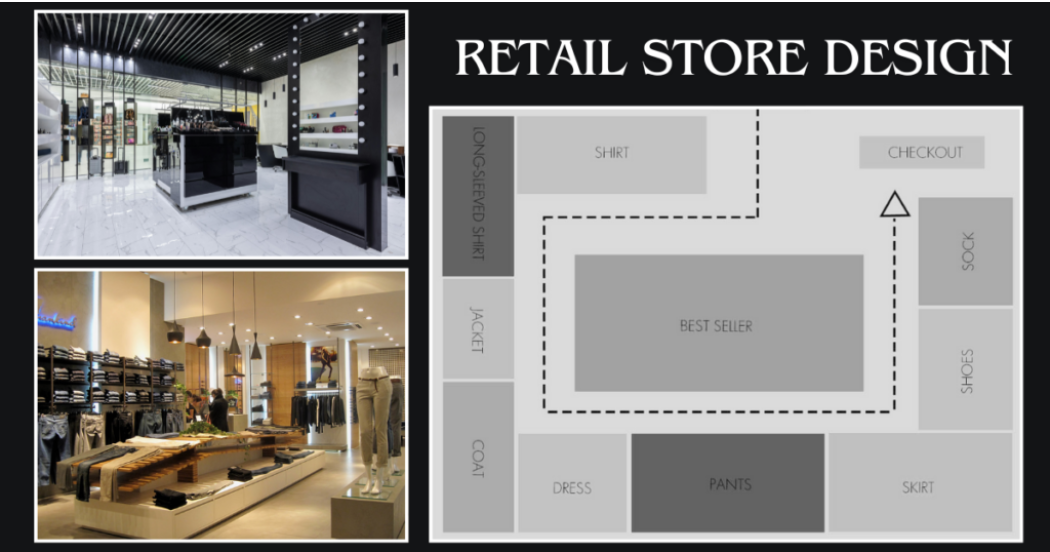
The layout of your store is one of the most important elements of retail design. A well-planned layout helps guide customers naturally through your space while promoting product visibility and easy navigation. You want to ensure that customers don’t feel lost or overwhelmed when they enter your store.
There are several types of store layouts to consider:
- Grid Layout: This layout works well for grocery stores or stores that sell a large variety of products. It features long aisles that create a straightforward, easy-to-follow flow. It’s efficient but may not offer much excitement.
- Loop Layout: This layout creates a circular path, encouraging customers to move through the entire store. It’s great for stores where you want customers to view all products and explore different sections.
- Free-Flow Layout: This layout allows customers to wander freely through the store. It’s ideal for boutique or specialty stores that want to create a relaxed atmosphere.
Consider the flow of traffic and how customers will move through your space. Make sure your store layout encourages exploration, while also highlighting key product areas.
Lighting and Ambiance
Lighting is one of the most powerful tools in retail store design. The right lighting can make products look more appealing and create a welcoming atmosphere. Bright, well-lit spaces feel open and energetic, while dimmer lighting can create a more intimate, cozy ambiance.
Use lighting to highlight specific areas of your store, such as new arrivals, promotions, or high-margin products. Layer different types of lighting (ambient, task, and accent) to create a dynamic space that draws attention to different areas.
Don’t forget the importance of natural light. If possible, use windows to let in daylight, as it creates a more inviting atmosphere. However, be mindful of how direct sunlight can affect your products, especially if you sell items like clothing or furniture that can fade over time.
Product Display Strategies
Product displays are a vital aspect of retail design, as they are the first thing customers see when they enter your store. The way products are arranged can make a huge difference in sales.
- Eye-Level Displays: Position high-demand or promotional products at eye level to increase their visibility. Studies show that people are more likely to purchase items that are at eye level because they are easier to see and access.
- Themed Displays: Group similar products together in creative ways. For example, you could create seasonal displays or “lifestyle” displays that show customers how to use your products in everyday life.
- End Caps: Placing products at the end of aisles (end caps) is an effective way to catch the attention of customers. These spots tend to be high-traffic areas, and items placed here can have a high impact on sales.
Experiment with different product displays to see which ones capture the most attention and encourage customers to make purchases.
Signage and Branding
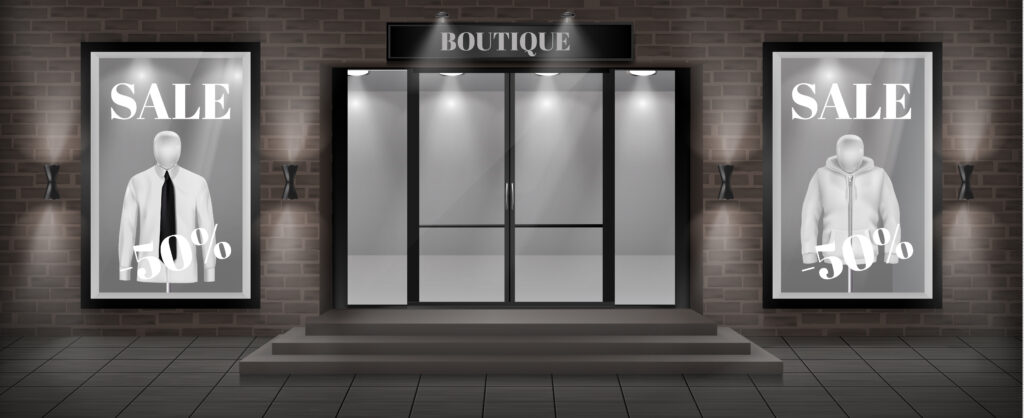
Effective signage is essential for guiding customers through your store and communicating important messages. Clear signs help customers easily find what they are looking for and reinforce your store’s branding. Use signage to highlight sales, promotions, and product categories.
Your branding should be consistent throughout the store, from the logo on your door to the colors of your walls and signage. Strong branding creates a cohesive experience that customers will recognize, making them more likely to trust and return to your store.
Designing Language
Designing language for a retail store refers to the overall look and feel created through the utilize of materials, colors, textures, and lighting. This visual style helps communicate the brand’s identity and sets the mood for customers as they shop. The materials used in a store ought to coordinate the brand picture. For example, luxury stores frequently use marble, glass, and metal finishes to make a high-end feel, whereas eco-friendly brands might use natural wood, bamboo, or reused materials to highlight sustainability.
Color plays a huge part in how customers feel. Warm colors like red and yellow can make the space feel enthusiastic and are often used in sales areas. Cool colors like blue and green feel calm and reliable, making them perfect for wellness or tech brands. Neutral colors like white, gray, and beige offer assistance keep things clean and modern, whereas bold colors like dark or gold can include a sense of luxury and exclusivity.
Textures and finishes also contribute to the store’s environment. Smooth, shiny surfaces feel advanced and upscale, whereas harsh, normal textures like wood or stone provide a more rustic or cozy vibe.
In general, all these elements—materials, colors, and textures, should work together to make a consistent and welcoming space that reflects the brand’s personality and appeals to its target customers.
3. How to Create an Engaging Customer Experience
Interactive Displays and Technology
In today’s retail landscape, customers crave interaction. Incorporating technology into your store can enhance the shopping experience and engage customers in exciting new ways. For instance, interactive displays or touchscreens allow customers to learn more about your products, check availability, or even place orders for out-of-stock items.
Consider adding virtual fitting rooms for clothing stores, self-checkout kiosks, or augmented reality experiences for a modern, tech-savvy shopping experience. The more interactive your store is, the more likely customers will stay longer and make a purchase.
Customer Journey Mapping
Mapping out the customer journey is essential when designing your retail store. From the moment a customer enters your store to the time they check out, every step should be smooth, enjoyable, and intuitive. Pay attention to key touchpoints like the entryway, product discovery, checkout process, and customer service interaction.
By considering the customer journey, you can optimize each step to ensure a positive experience. For example, make sure that your store is easy to navigate, and ensure that your checkout area is well-organized and efficient.
Employee Interaction and Customer Service
Your employees are a key part of the customer experience. Train your team to engage with customers, answer questions, and provide helpful information. A friendly and knowledgeable staff will make customers feel more comfortable and confident in their shopping decisions.
Consider adding designated areas for employees to assist customers, such as customer service counters or fitting rooms in clothing stores. Providing excellent customer service will encourage customers to return and spread positive word-of-mouth.
4. Tips for Enhancing Retail Store Design on a Budget
DIY Design Ideas
If you’re working with a limited budget, there are plenty of DIY design ideas that can still make a big impact. For example, you can use paint to refresh your walls, create inexpensive product displays using pallets or crates, or repurpose old furniture to create unique display units.
Consider using affordable materials like plywood, fabric, or repurposed wood to create customized displays or shelving. Simple design changes like these can give your store a fresh look without breaking the bank.
Cost-Effective Furniture and Fixtures
When purchasing furniture and fixtures for your store, look for budget-friendly options that still offer durability and style. Look for second-hand furniture or consider renting items for a temporary display. Online marketplaces, local auctions, or furniture wholesalers can be excellent resources for finding cost-effective retail furnishings.
5. Common Mistakes to Avoid in Retail Store Design
Overcrowding and Clutter
One of the biggest mistakes in retail store design is overcrowding the space with too many products or displays. An overly cluttered store can feel chaotic and make it difficult for customers to focus on what they’re looking for. Always leave enough space between products and displays to create a clean, organized environment.
Ignoring Customer Comfort
It’s easy to focus on aesthetics and forget about customer comfort. Ensure your store has comfortable seating, wide aisles, and plenty of space for customers to move around. A comfortable store encourages customers to stay longer, browse more, and ultimately make more purchases.
6. Conclusion: The Importance of Retail Store Design in Boosting Sales
Designing a retail store that boosts sales is a delicate balance of aesthetics, functionality, and customer experience. Every aspect of your store design, from the layout to the lighting to the way products are displayed, contributes to creating a welcoming environment that encourages customers to engage, explore, and make purchases.
By focusing on a thoughtful design that emphasizes comfort, flow, and brand identity, you can create a store that not only attracts customers but also keeps them coming back. Remember, a great retail store design is not just about looking good—it’s about creating a shopping experience that enhances your customers’ lives and drives sales.
Implement the tips and strategies discussed in this blog to take your retail space to the next level and increase your sales.